What Age Is Considered Adult Acne? Understanding Breakouts After 25
Table of content
For many people, the term “acne” conjures images of teenage angst and puberty. Yet a growing number of adults—particularly women—find themselves battling persistent breakouts well past their adolescent years. The question “what age is considered adult acne” is not merely academic; it defines when the underlying causes, treatment approaches, and long-term management strategies shift. While adolescence marks the first peak for acne vulgaris, a second surge often appears after the age of 25, prompting a different clinical conversation. Understanding this threshold, and the distinctive hormonal and lifestyle factors behind it, is the first step toward effective control.
| Feature | Adolescent Acne | Adult Acne |
|---|---|---|
| Typical Age Range | 12–19 years | 25 years and older |
| Common Location | Forehead, nose, cheeks (T‑zone) | Jawline, chin, lower cheeks, neck |
| Primary Hormonal Triggers | Pubertal androgen surge | Menstrual cycle, pregnancy, perimenopause, androgen sensitivity |
| Role of Sebum | High sebum production due to gland development | Often normal or slightly elevated sebum; barrier dysfunction may play a role |
| Associated Factors | Genetics, rapid cell turnover | Stress, diet (high‑glycemic foods, dairy), comedogenic cosmetics, medications, underlying endocrine disorders |
| Treatment Focus | Often resolves with age; topical retinoids and benzoyl peroxide | Long‑term management; hormonal therapies (spironolactone, oral contraceptives), skin barrier repair, and lifestyle adjustments |
Defining Adult Acne by Age Range
The Standard Age Threshold: 25+ Years
Dermatologists widely acknowledge that adult acne, also referred to as post‑adolescent acne, is acne that persists or begins after the age of 25. This cutoff, endorsed by organizations such as the American Academy of Dermatology, reflects a biological reality: by the mid‑twenties, the hormonal tumult of puberty has long subsided, and persistent or new‑onset lesions signal a different interplay of factors. While teenagers experience acne primarily on the forehead, nose, and central cheeks due to sebaceous gland maturation, adult acne shifts to the lower face—the jawline, chin, and neck—suggesting a stronger hormonal influence.
The 25‑year threshold is not arbitrary. Epidemiological data indicates that acne prevalence drops sharply after the late teens but rises again in women during their 20s and 30s. For many patients, understanding that their breakouts officially fall into the “adult acne” category validates their frustration and opens the door to age‑appropriate treatment options. Without this demarcation, adults may continue using harsh adolescent formulations that strip the lipid barrier, exacerbating dryness and inflammation.
It is also important to note that the age cutoff serves clinical utility. A 30‑year‑old with new comedones and cysts requires a workup for hormonal imbalances, while a 16‑year‑old with similar lesions is more likely dealing with classic pubertal changes. The management diverges significantly, making the age distinction a foundational piece of diagnostic reasoning.
Distinguishing Early‑Onset from Late‑Onset Adult Acne
Adult acne is not a single entity. Rising attention has been given to two subtypes: early‑onset adult acne, which represents a continuation of adolescent acne into adulthood, and late‑onset adult acne, which appears for the first time after age 25. The former is more common in people with a strong genetic predisposition or those who had severe acne during their teen years. These patients often have persistently oily skin and may have been under‑treated earlier in life. The pathophysiology still involves excess sebum, follicular hyperkeratinization, and Cutibacterium acnes proliferation, but the triggers now include emerging hormonal fluctuations of early adulthood.
Late‑onset adult acne is particularly prevalent among women. Studies have shown that up to 40% of women in their 20s and 30s experience acne, and a substantial proportion of them never had significant acne as teenagers. This group often presents with deep, tender nodules along the jawline that flare premenstrually. The sudden onset in an otherwise clear complexion can be distressing and may point to shifts in androgen sensitivity, perimenopause, or an underlying endocrine disorder such as polycystic ovary syndrome.
Distinguishing between these subtypes is critical for treatment planning. A patient with lingering acne since age 13 may benefit more from a traditional topical retinoid regimen, whereas someone developing acne for the first time at age 32 might require systemic hormonal evaluation and targeted therapy with spironolactone or combined oral contraceptives. Recognizing whether the condition is persistent or newly emergent helps clinicians choose interventions that address the dominant driving mechanism.
Clinical Differences Between Adolescent and Adult Acne
Location and Pattern of Breakouts (Jawline vs. T‑zone)
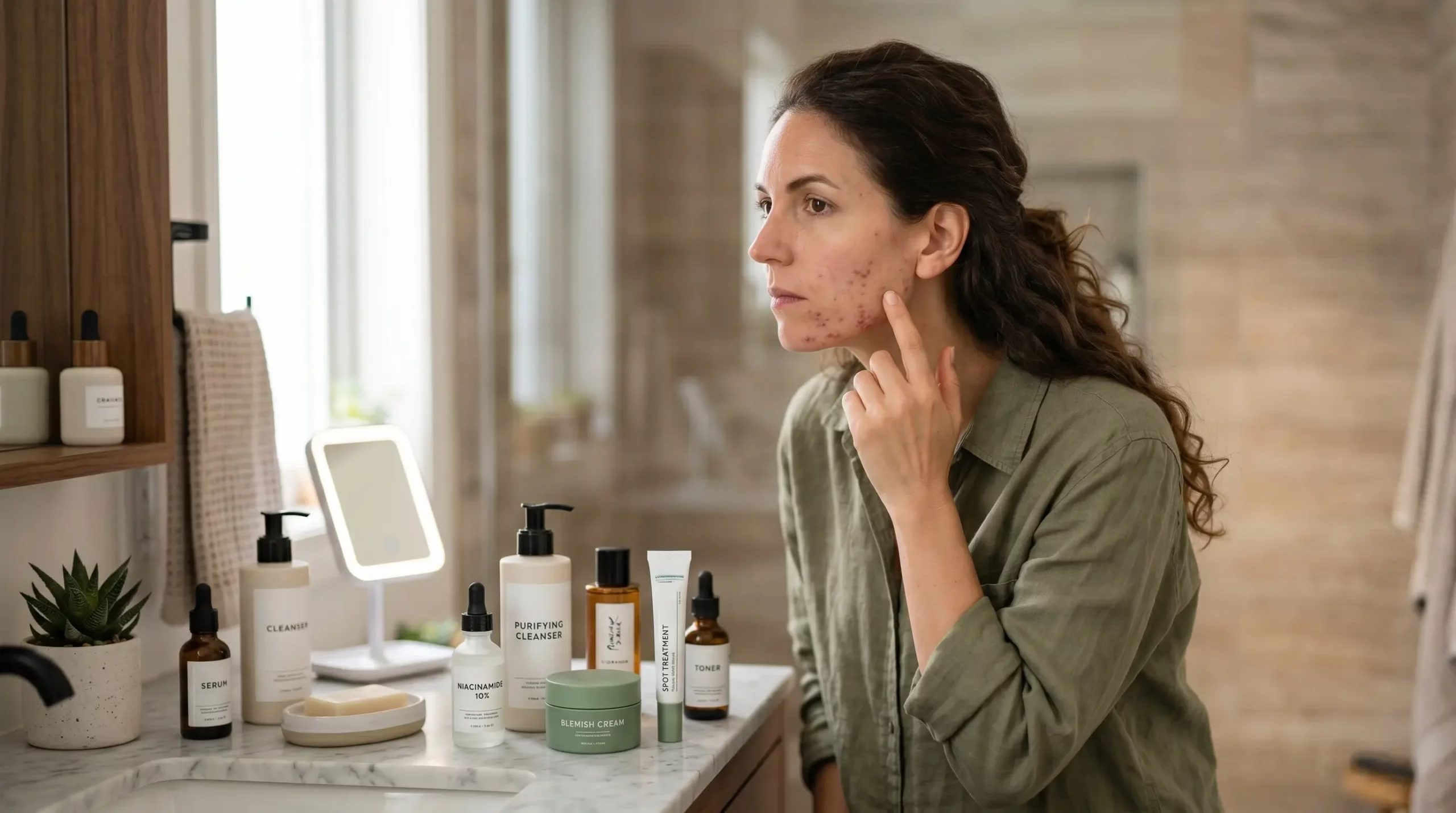
One of the most visually distinguishing features of adult acne is its predilection for the lower face. While teenage acne typically concentrates on the T‑zone—forehead, nose, and central cheeks—adult acne primarily affects the chin, jawline, and upper neck. This U‑zone distribution is a clinical hallmark that signals a hormonal driver. The sebaceous glands in these areas are particularly sensitive to androgens, even when circulating hormone levels are within normal range. The lesions tend to be deeper, more inflamed, and slower to heal, often leaving behind post‑inflammatory hyperpigmentation rather than the shallow comedones common in teens.
The anatomical shift is partly explained by differences in sebaceous follicle density and receptor expression. Androgen receptors are abundant in the lower face, making that region hyper‑responsive to hormonal fluctuations during the menstrual cycle, pregnancy, and perimenopause. Additionally, adult skin is thinner and less resilient, so the same inflammatory insult can cause more visible damage. Understanding this pattern can help patients self‑identify their acne as adult‑type and avoid treatments aimed at oily T‑zones that may not deliver results.
This pattern difference also influences topical therapy. A foaming benzoyl peroxide wash that works for oily teenage skin may be overly drying for the drier, more sensitive adult jawline. Instead, dermatologists often recommend cream‑based formulations and slower initiation of retinoids to prevent irritation. Recognizing that adult acne is not just teenage acne on an older face is essential for building an effective, tolerable regimen.
Underlying Hormonal Drivers in Adult vs. Teenage Acne
During adolescence, acne is fueled by a surge in androgens—testosterone and its derivatives—that stimulate sebaceous glands to enlarge and produce copious oil. This is a normal developmental phase. In adult women, androgen levels may remain steady or even decline with age, but the skin’s sensitivity to androgens can increase. This concept of androgen sensitivity explains why many women with adult acne have serum hormone levels within normal limits yet still experience inflammatory breakouts. The sebaceous glands’ exaggerated response to minor hormonal fluxes during the luteal phase of the menstrual cycle triggers a cascade of follicular occlusion and bacterial growth.
Beyond androgens, the insulin‑like growth factor (IGF‑1) pathway has drawn significant research attention. High‑glycemic‑index diets and dairy products can elevate IGF‑1, which in turn activates androgen signaling and sebum production. Teenagers may be more resilient to such dietary influences due to high sebum turnover, but adults with slower cellular metabolism may be more susceptible. Stress, too, plays a larger role in adulthood. Cortisol release prompts adrenal androgen production, and chronic stress creates a low‑grade hormonal milieu conducive to acne.
Importantly, adult hormonal acne often coexists with other signs of hyperandrogenism such as hirsutism or female pattern hair loss, pointing toward a systemic imbalance. These signs are not typical in adolescent acne and warrant investigation for conditions like polycystic ovary syndrome. Thus, the hormonal landscape in adult acne is far more nuanced, involving not just androgen levels but receptor sensitivity, growth factors, and lifestyle‑induced endocrine shifts.
Common Causes and Triggers Specific to Adult Acne
Hormonal Fluctuations (Menstrual Cycle, Pregnancy, Perimenopause)
For many women, cyclical breakouts are a predictable harbinger of menstruation. In the days leading up to a period, progesterone stimulates sebum production, while falling estrogen reduces the skin’s natural anti‑inflammatory tone. This environment makes pores more likely to clog and become inflamed. The result is a cluster of tender papules and cysts along the chin and jaw that resolve only to reappear the next month. Oral contraceptives that contain both estrogen and a low‑androgen‑profile progestin can mitigate these swings by stabilizing hormone levels, which is why they are a first‑line systemic option for hormonally driven adult acne.
Pregnancy introduces its own set of challenges. The first trimester often brings a surge in sebum production due to elevated human chorionic gonadotropin and progesterone, leading to an acne flare that may be mistaken for adult‑onset acne. However, treatment choices are sharply limited because many acne medications—retinoids, spironolactone, and tetracycline‑class antibiotics—are contraindicated during pregnancy. Dermatologists must rely on topical azelaic acid and careful skin care to manage breakouts during this period.
Perimenopause, which can begin in the early 40s, creates a unique hormonal storm. Declining estrogen unmasks the effects of androgens, which are now relatively unopposed. This shift can trigger the onset of acne even in women who have never had a significant skin problem before. The accompanying skin aging—thinning dermis, slower cell turnover—exacerbates the appearance of lesions and delays healing. Tailored treatment that combines anti‑aging ingredients like low‑dose retinoids with hormonal therapy can address both acne and skin quality concerns.
Lifestyle Factors (Stress, Diet, Skincare Routines)
While hormones are central, lifestyle variables can make the difference between a minor blemish and a persistent breakout. Chronic stress elevates cortisol and adrenal androgens, increasing sebum production and inflammation. Stress also impairs the skin barrier, making it more vulnerable to irritants and bacteria. For many adults, high‑pressure careers, caregiving responsibilities, and insufficient sleep create a fertile ground for acne flare‑ups. Mind‑body techniques such as mindfulness meditation and regular physical activity can help modulate this stress response, although they are not standalone cures.
Dietary triggers continue to be debated, but a growing body of evidence points to two main culprits: high‑glycemic foods and dairy. A systematic review cited by Harvard Health Publishing noted that diets rich in refined carbohydrates and sugars promote insulin spikes, which downstream boost IGF‑1 and sebum production. Similarly, milk proteins—particularly whey—have been associated with increased acne prevalence in multiple observational studies. While not every adult with acne needs to adopt a restrictive diet, keeping a food‑and‑breakout diary can help identify individual triggers. Many dermatologists advise minimizing processed sugar and dairy for a trial period to gauge skin response.
Skincare routines themselves can inadvertently worsen adult acne. The use of rich, occlusive moisturizers designed for dry aging skin may be comedogenic. Over‑washing or using harsh exfoliants strips the epidermis, triggering rebound oiliness and irritation. A common pitfall is the use of multiple active ingredients without considering their compatibility, leading to barrier disruption and inflammation. Switching to gentle, non‑comedogenic formulations and introducing actives one at a time allows the skin to adapt and reduces the risk of acne mechanica—breakouts caused by friction from masks, phones, or athletic gear.
Diagnostic Considerations for Adult Acne
When to Suspect Underlying Conditions (e.g., PCOS, Hyperandrogenism)
Adult acne that is severe, sudden in onset, or accompanied by other systemic signs should raise suspicion for an underlying endocrine disorder. Polycystic ovary syndrome (PCOS) is the most common cause of hyperandrogenism in reproductive‑age women. Characteristic features include irregular menses, ovarian cysts, infertility, hirsutism, and acne predominantly along the jawline. According to the American Academy of Dermatology, up to 30% of women with adult acne may have PCOS, though many remain undiagnosed. Blood tests measuring free testosterone, DHEA‑S, and LH/FSH ratio can help confirm the diagnosis.
Other endocrine conditions that can trigger adult acne include congenital adrenal hyperplasia, Cushing’s syndrome, and androgen‑secreting tumors. Red flags include rapid appearance of deep nodules, resistance to standard therapy, and signs of virilization such as deepening of the voice or clitoromegaly. In men, anabolic steroid use or testosterone supplementation can cause or exacerbate severe acne. A thorough medical history—including medication use, menstrual patterns, and family history—paired with targeted laboratory work, aids in identifying these less common but important causes.
The presence of adult acne can also serve as a clinical marker for insulin resistance and metabolic syndrome. Women with PCOS and acne often have higher insulin levels, which stimulate androgen production. Therefore, screening for glucose intolerance and lipid abnormalities is a prudent part of the diagnostic workup. Recognizing that acne is more than skin‑deep allows clinicians to address systemic health and prevent long‑term complications.
Role of Dermatological Evaluation for Age‑Appropriate Diagnosis
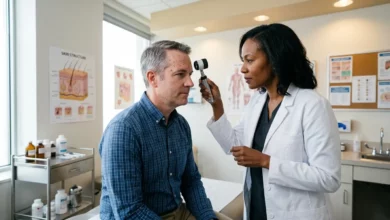
A board‑certified dermatologist is uniquely positioned to distinguish adult acne from look‑alikes such as rosacea, perioral dermatitis, and folliculitis. Rosacea, which typically affects fair‑skinned individuals over 30, presents with central facial redness and papules but rarely comedones. Misdiagnosis can lead to inappropriate treatment, as topical steroids commonly prescribed for rosacea‑like eruptions can actually worsen true acne or induce steroid‑induced folliculitis. Dermatoscopic examination and careful history‑taking ensure the correct diagnosis.
Age‑appropriate evaluation also considers the patient’s current skin physiology. Adult skin has a slower rate of desquamation and a thinner lipid barrier than adolescent skin, which alters tolerance to strong topicals. Dermatologists may tailor treatments by starting with lower concentrations of retinoids and buffering them with moisturizers. Additionally, they can evaluate for scarring and post‑inflammatory hyperpigmentation, which are more of a concern in adults because of slower wound healing and cumulative sun damage.
Furthermore, a dermatologist can perform a comprehensive medication review. Many drugs prescribed in adulthood—corticosteroids, lithium, certain antiepileptics, and some targeted cancer therapies—can cause acneiform eruptions. If a drug‑induced etiology is suspected, the dermatologist may coordinate with the prescribing physician to adjust therapy. This multidisciplinary approach underscores the value of a specialist consultation when adult acne does not respond to over‑the‑counter measures.
Evidence‑Based Treatment Strategies for Adult Acne
Topical Therapies: Retinoids, Benzoyl Peroxide, and Antibiotics
Topical retinoids are the cornerstone of adult acne treatment. Adapalene (available over the counter) and prescription tretinoin normalize follicular keratinization, preventing the formation of microcomedones—the precursor to all acne lesions. For adults, retinoids offer an additional benefit: they stimulate collagen production and reduce fine lines, addressing concomitant aging concerns. However, the irritation potential is higher in mature skin, so dermatologists often recommend a “short‑contact” application or mixing with a moisturizer to build tolerance over several weeks.
Benzoyl peroxide remains a first‑line antimicrobial agent that kills Cutibacterium acnes without inducing antibiotic resistance. It is particularly effective for inflammatory papules and pustules. Because it can be drying, adult patients often benefit from lower concentration formulations (2.5% to 5%) and leave‑on products rather than aggressive washes. Combining benzoyl peroxide with a topical retinoid—such as adapalene/benzoyl peroxide gel—provides a dual‑action approach that targets both comedones and bacteria, a strategy backed by American Academy of Dermatology guidelines.
Topical antibiotics like clindamycin are used for their anti‑inflammatory properties, but they should never be used as monotherapy due to the risk of bacterial resistance. They are most effective when combined with benzoyl peroxide or a retinoid. For adults who cannot tolerate retinoid dryness, azelaic acid is a versatile alternative. It has anti‑inflammatory, comedolytic, and skin‑lightening effects, making it suitable for treating both acne and post‑inflammatory hyperpigmentation. These non‑irritating options are especially valuable during pregnancy and lactation.
Systemic Options: Spironolactone, Oral Contraceptives, Isotretinoin
When topical therapy is insufficient, systemic medications enter the picture. Spironolactone is a potassium‑sparing diuretic that blocks androgen receptors and reduces sebum production. It is particularly effective for women with hormonal jawline acne and hirsutism. The starting dose is typically 25–50 mg daily, titrated up to 100–200 mg based on response and tolerability. Side effects include breast tenderness, menstrual irregularities, and hyperkalemia, so periodic monitoring of potassium levels is recommended. For many women, spironolactone provides long‑term control with a favorable safety profile.
Combined oral contraceptives (COCs) that contain estrogen and a progestin with low androgenic activity—such as norgestimate, desogestrel, or drospirenone—are another mainstay. These pills suppress ovarian androgen production and increase sex hormone‑binding globulin, thereby reducing free testosterone. The FDA has approved several COCs for acne treatment. However, they carry an elevated risk of venous thromboembolism, particularly in women over 35 who smoke, so careful patient selection is essential. COCs are often used in conjunction with spironolactone for moderate to severe hormonal acne.
For severe, scarring, or treatment‑resistant adult acne, oral isotretinoin offers the closest thing to a cure. It dramatically shrinks sebaceous glands, normalizes follicular differentiation, and has anti‑inflammatory effects. Despite its known teratogenicity and need for monthly pregnancy prevention monitoring in women of childbearing age, isotretinoin is increasingly prescribed to adults. Modern low‑dose protocols reduce many side effects while maintaining high efficacy. A dermatologist will explain the risks, including dry skin, elevated liver enzymes, and lipid changes, but the outcome can be life‑changing for those who have exhausted other options.
Prevention and Long‑Term Management for Adults
Skin Care Adjustments for Mature, Acne‑Prone Skin
Preventing adult acne requires a shift in mindset from aggressive stripping to barrier support. A gentle, non‑foaming cleanser with a pH‑balanced formula removes impurities without disrupting the acid mantle. Look for products labeled non‑comedogenic and free of fragrances and dyes. The American Academy of Dermatology suggests cleansing no more than twice a day and after sweating. Over‑washing can trigger a compensatory increase in sebum production, perpetuating the cycle.
Moisturization is critical, even for oily, acne‑prone adults. A lightweight, oil‑free moisturizer containing ceramides, niacinamide, or hyaluronic acid helps restore the epidermal barrier, which is often compromised by retinoid use and aging. Niacinamide has the added benefit of regulating sebum and reducing inflammation. Sunscreen is non‑negotiable: many acne treatments are photosensitizing, and adult skin is already susceptible to photoaging and hyperpigmentation. A broad‑spectrum SPF 30 or higher that is labeled non‑comedogenic should be applied daily.
Introducing active ingredients slowly prevents the “retinoid reaction”—redness, peeling, and burning—that can discourage adherence. Dermatologists often recommend the “retinoid sandwich” method: moisturizer, retinoid, then another layer of moisturizer. If a topical antibiotic is prescribed, using benzoyl peroxide concurrently reduces bacterial resistance. Consistent use for at least 12 weeks is necessary to see visible improvement, and maintenance therapy with a lower‑frequency retinoid application can keep acne at bay.
Lifestyle Modifications to Reduce Recurrence
Sustained remission of adult acne often depends on addressing modifiable lifestyle factors. Diet modification, while not a magic bullet, can be a useful adjunct. A low‑glycemic diet rich in vegetables, lean proteins, and whole grains may reduce post‑prandial insulin spikes and acne flares. Limited observational data suggest that dairy, especially skim milk, can exacerbate acne in some individuals; a 12‑week dairy elimination trial can be diagnostic. A food diary helps correlate outbreaks with dietary choices.
Stress management is another pillar. Chronic stress elevates cortisol and androgens, directly fueling sebaceous activity. Techniques such as yoga, meditation, and regular aerobic exercise have been shown to lower perceived stress and may improve acne. Sleep hygiene is equally important—seven to nine hours of quality sleep supports skin repair and hormonal balance. For athletes, acne mechanica caused by helmets, straps, or tight clothing can be minimized by showering immediately after exercise and using breathable fabrics.
Finally, avoiding the temptation to pick or squeeze lesions prevents scarring and prolonged inflammation. Picking introduces bacteria from the fingers and can turn a small papule into a deep nodule. A dermatologist can perform a sterile extraction, but at‑home tools often cause more harm than good. Regular follow‑up with a board‑certified dermatologist allows for timely adjustments to the treatment plan and ensures that any evolving triggers—such as perimenopausal shifts—are addressed promptly.
FAQ
Yes, adult acne can absolutely first appear after age 40. While it is more common for women to develop acne in their 20s and 30s, perimenopause—which can begin in the early 40s—triggers significant hormonal fluctuations. As estrogen levels decline and progesterone becomes erratic, the relative influence of androgens increases, leading to oilier skin and clogged pores. Some women who never had acne as teenagers may suddenly experience persistent jawline breakouts in their 40s. Additionally, medications for other age‑related conditions, stress from midlife responsibilities, and cumulative sun damage can contribute to new‑onset acne. A dermatologist can help rule out underlying disorders and tailor a treatment plan that respects changing skin needs.
For some individuals, mild adult acne may wax and wane with hormonal cycles and eventually abate as menopausal hormone levels stabilize. However, many cases of true adult acne do not spontaneously resolve and require intervention. Without treatment, inflammatory lesions can lead to scarring and persistent post‑inflammatory hyperpigmentation, which are more difficult to treat than the acne itself. Even if breakouts become less frequent, the underlying tendency—whether driven by genetics, androgen sensitivity, or lifestyle—often remains. Early, consistent treatment with appropriate topicals or systemic medications not only clears existing acne but also prevents long‑term skin damage. Consulting a board‑certified dermatologist ensures that the chosen therapy addresses the root cause and adapts as skin ages.
Related Articles: