Adult Acne in Women Over 40: Causes, Treatments & Skincare Tips
Table of content
- Understanding Why Acne Develops After 40
- Differentiating Adult Acne from Other Skin Conditions
- Medical Therapies Tailored for Women Over 40
- Skincare Ingredients That Work (and Those to Avoid)
- Lifestyle Adjustments for Hormonal Acne Management
- Professional In-Office Treatments for Stubborn Acne
- Building a Daily Skincare Routine for Acne-Prone Mature Skin
- When to See a Dermatologist: Warning Signs and Red Flags
- FAQ
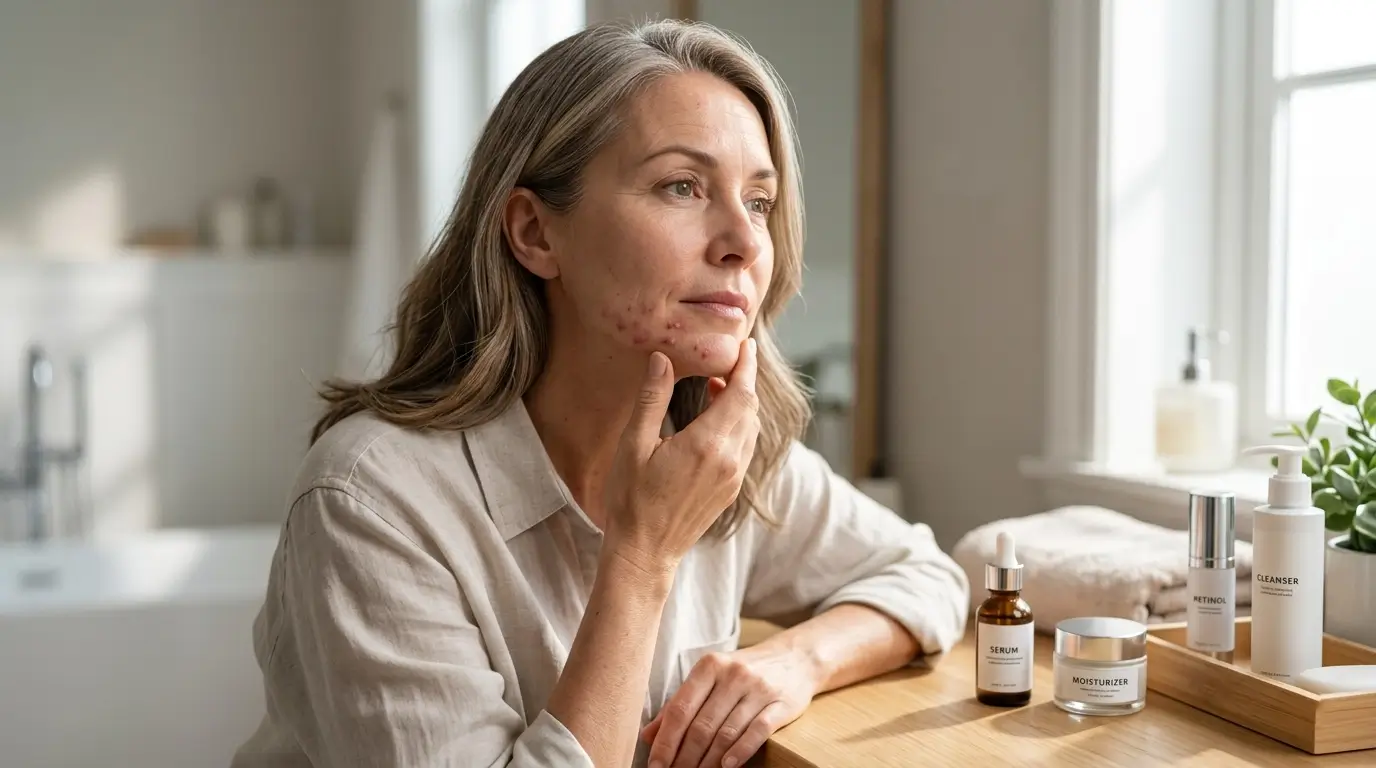
It is a scene all too familiar: you glance in the mirror before an important meeting and discover a fresh, angry breakout along your jawline. You are well past your teenage years, yet acne persists—or appears for the first time—after 40. Adult acne in women over 40 is neither a rare occurrence nor a personal failing; it is a complex skin condition rooted in hormonal fluctuations, lifestyle factors, and changes in skin physiology. According to the American Academy of Dermatology, adult acne affects up to 15% of women, and many experience their first breakouts during perimenopause. Understanding why acne emerges at this stage—and learning how to treat it effectively—is essential for regaining skin confidence without compromising the delicate balance of mature skin.
| Feature | Adolescent Acne | Adult Acne Over 40 |
|---|---|---|
| Primary location | Forehead, nose (T-zone) | Lower face: jawline, chin, cheeks |
| Main triggers | Puberty, genetics, hormonal surges | Perimenopause/menopause, stress, medications, insulin resistance |
| Typical skin type | Oily, resilient | Combination, dehydrated or sensitive, barrier-leaning |
| Common lesions | Blackheads, whiteheads, pustules | Inflammatory papules, cystic nodules, persistent comedones |
| Underlying pathology | Excess sebum and rapid cell turnover | Hormone-driven sebum spikes + slower cell turnover + barrier dysfunction |
| Scarring risk | Moderate, often if picked | Higher due to collagen loss and slower healing |
| Emotional toll | Social anxiety | Frustration over aging skin, self-esteem impact |
| Treatment philosophy | Oil control with astringent products | Gentle exfoliation, barrier repair, hormonal modulation |
Understanding Why Acne Develops After 40
Acne after 40 is driven by a unique interplay of internal and external factors. While teen acne often stems from surging androgens and heredity, midlife breakouts arise from a different hormonal landscape combined with decades of cumulative skin exposure. Grasping these root causes helps tailor prevention strategies that respect mature skin’s evolving needs.
Hormonal Triggers: Perimenopause, Menopause, and Androgen Fluctuations
During perimenopause, estrogen levels decline unpredictably while androgens such as testosterone stay relatively stable, or even rise in proportion. This imbalance stimulates the sebaceous glands to produce excess oil, leading to clogged pores and inflamed lesions. The lower face—chin, jawline, and neck—is densely packed with hormone-sensitive receptors, which explains why many women over 40 develop cystic bumps in these areas. The American College of Obstetricians and Gynecologists notes that endocrine fluctuations can begin as early as a decade before menopause, making sudden acne a common herald of the transition.
Beyond natural aging, underlying conditions like polycystic ovary syndrome (PCOS) can continue to fuel acne well past the reproductive years. Even in women without a prior PCOS diagnosis, late-onset insulin resistance can trigger subtle androgen elevations that drive persistent breakouts. Hormone replacement therapy (HRT) presents a double-edged sword: some formulations containing micronized progesterone may worsen acne, while others may stabilize it. Endocrinologists and dermatologists often collaborate to interpret blood tests and hormonal patterns, and for many women, an anti-androgen like spironolactone becomes a cornerstone of treatment.
Non-Hormonal Causes: Stress, Diet, and Skincare Product Pileup
Chronic stress is a silent amplifier. When you are under pressure, the adrenal glands pump out cortisol, a hormone that directly increases sebum production. Research from the American Psychological Association links sustained psychological stress to more frequent and severe acne flares. For women managing careers, caregiving, and personal health, stress management is not a luxury but a therapeutic tool.
Diet also plays a role. High-glycemic meals spike insulin, which can boost androgen levels and oil production. Several studies, including observational data summarized by the American Academy of Dermatology, suggest that a low-glycemic eating pattern rich in vegetables, legumes, and whole grains may reduce inflammatory acne. Dairy, especially skim milk, has been associated with breakouts in some individuals, possibly due to its hormone content. Additionally, a cluttered skincare regimen—layering thick anti-aging creams, silicone-heavy primers, and multiple active serums—can overwhelm pores. Even seemingly harmless habits like using a fabric sleep mask can cause acne mechanica, while some makeup with high oleic acid oils or comedogenic talc becomes a trigger. The key is to simplify and select products that are non-comedogenic and suited to mature, acne-prone skin.
Differentiating Adult Acne from Other Skin Conditions
Not all facial bumps in your 40s are acne. Rosacea, perioral dermatitis, and keratosis pilaris can mimic acne but demand completely different therapies. Misdiagnosis often leads to ineffective—and sometimes worsening—treatment. Learning to recognize distinct clinical signs ensures you receive appropriate care.
Acne vs. Rosacea: Key Differences in Presentation and Triggers
Rosacea typically presents with persistent centrofacial redness, visible blood vessels, and pus-filled bumps that lack blackheads. Adult acne over 40, in contrast, favors the lower face and often includes closed comedones and deep cysts. Triggers differ too: rosacea flare-ups can be set off by sun exposure, spicy foods, alcohol, or extreme temperatures, while acne is more closely tied to hormonal cycles, stress, and occlusive products. The so-called “acne rosacea differential” is critical—using a strong retinoid on rosacea skin can provoke intense irritation, and using a redness-reducing gel on true hormonal acne may do little to clear underlying clogged pores.
If flushing, stinging, and eye symptoms accompany your breakouts, rosacea is more likely. The American Academy of Dermatology emphasizes that rosacea is a vascular and inflammatory disorder, whereas acne vulgaris is primarily follicular. A proper diagnosis may involve a dermatoscope exam or a short trial of an anti-inflammatory rosacea treatment like ivermectin cream, rather than a harsh acne wash.
How to Identify Cystic, Inflammatory, and Comedonal Acne Patterns
Cystic acne in women over 40 shows up as deep, painful lumps under the skin that refuse to come to a head. These nodules often cluster along the jawline and chin and can persist for weeks, leaving behind hyperpigmentation or permanent scars if not treated early. Inflammatory acne consists of red papules and pustules that appear inflamed but not as deep; they respond better to topical bacteriostatic agents. Comedonal acne—blackheads and closed whiteheads—may present more prominently on the cheeks and forehead and reflects sluggish cell turnover, which becomes more common with age.
Distinguishing between these patterns matters because treatment strategies diverge. Cystic acne often requires systemic intervention such as spironolactone or oral antibiotics, while comedonal acne can improve with exfoliating actives like salicylic acid and retinoids. Because mature skin heals more slowly and has less collagen reserve, rigorous squeezing or over-exfoliation can intensify scarring. Recognizing your dominant acne subtype allows you to target the right lesion without collateral damage.
Medical Therapies Tailored for Women Over 40
When over-the-counter products fail to budge stubborn breakouts, prescription therapies step in with targeted, evidence-backed solutions. A dermatologist can design a regimen that addresses hormonal triggers, reduces inflammation, and respects the increased sensitivity and slower turnover of aging skin.
Oral Medications: Spironolactone, Hormonal Therapy, and Antibiotics
Spironolactone has emerged as a leading therapy for hormonal acne in women over 40. As an anti-androgen, it binds to androgen receptors in sebaceous glands and reduces oil production without estrogenic effects. Doses typically range from 50 to 100 mg per day, and the American Academy of Dermatology considers it safe for long-term use with periodic potassium monitoring. Many women see a noticeable improvement in chin and jawline cysts within three to six months.
Hormonal therapy is another avenue, though the conversation after 40 is nuanced. Combined oral contraceptives containing ethinyl estradiol and a low-androgen progestin can stabilize hormone swings, but they carry increased cardiovascular risks in smokers and women over 35. For select patients, a low-dose oral contraceptive may still be appropriate under close medical supervision. Hormone replacement therapy in menopause can sometimes worsen acne if the progestin component is androgenic, yet bioidentical formulations might have a neutral effect. Antibiotics such as doxycycline or minocycline are reserved for short-term use because they reduce inflammation rather than primarily lowering androgens; overuse leads to bacterial resistance, and longer courses may not be advisable in this age group.
Topical Prescriptions: Retinoids, Azelaic Acid, and Dapsone
Topical retinoids—tretinoin, adapalene, or trifarotene—are foundational for adult acne because they unclog pores, normalize cell turnover, and have anti-inflammatory properties. In mature skin, starting with a low concentration every other night and buffering with moisturizer minimizes irritation. Adapalene 0.1% is available over the counter in many countries, but prescription strengths can tackle more resistant comedonal and inflammatory acne.
Azelaic acid, available as a 15% gel or 20% cream, offers a multipurpose solution: it kills acne-causing bacteria, reduces inflammation, gently exfoliates, and lightens post-inflammatory hyperpigmentation—all with an excellent safety profile. Dapsone gel 5% is another prescription topical that targets inflammatory acne by depressing neutrophil activity. Because these agents are less drying than benzoyl peroxide, they suit the easily irritated skin of women over 40. Combining a prescription retinoid at night with azelaic acid in the morning is a common, effective template.
Skincare Ingredients That Work (and Those to Avoid)
Building an effective daily regimen requires selecting ingredients that balance oil control with barrier repair, since over-drying can backfire and fuel more inflammation. Mature, acne-prone skin thrives on a targeted but gentle approach.
Essential Actives: Retinol, Niacinamide, Salicylic Acid, and Ceramides
Retinol, a less potent cousin of tretinoin, transforms into retinoic acid in the skin, gently accelerating cell turnover and keeping pores free of debris. When introduced gradually—starting with a concentration around 0.25% to 0.5%—it can smooth texture and reduce comedones without the same intensity of peeling. Niacinamide (vitamin B3) is a versatile multitasker: it regulates sebum, calms redness, fortifies the skin barrier, and can even mitigate retinoid-induced irritation. Products containing 4% to 5% niacinamide fit easily into a morning or evening routine.
Salicylic acid, a beta-hydroxy acid, is lipid-soluble and penetrates into oil-clogged pores to exfoliate from within, making it ideal for blackheads and whiteheads. Look for 0.5% to 2% formulations and avoid pairing it with strong retinoids in the same session to prevent over-stripping. Ceramides are the missing link in many acne routines: they shore up the moisture barrier that strong actives can compromise. A moisturizer with ceramides 1, 3, and 6-II helps retain hydration and strengthens skin against external triggers.
Ingredients That Can Worsen Breakouts in Mature Skin
A host of ingredients can inadvertently clog pores or disrupt barrier integrity. Heavy occlusives like pure petrolatum or high-oleic vegetable oils (coconut, wheat germ) may trap dead cells and bacteria. Alcohol denat. and witch hazel, often used for a “clean” feel, strip the skin’s acid mantle and trigger rebound oiliness. Physical scrubs with sharp particles cause microtears, inviting inflammation and making skin more vulnerable.
Anti-aging products formulated with fragrance, certain essential oils (lavender, bergamot), and high concentrations of exfoliating acids can over-exfoliate and prompt a vicious cycle of irritation and breakouts. Additionally, some sunscreens laden with isopropyl myristate or chemical filters may provoke acne in reactive individuals. The rule of thumb: opt for non-comedogenic, fragrance-free, and barrier-supportive formulations, and introduce one new product at a time to monitor the skin’s response.
Lifestyle Adjustments for Hormonal Acne Management
Medications and creams perform best when supported by everyday choices. Small, consistent shifts in diet, stress management, and skincare discipline can reduce breakout frequency and severity, often making the difference between chronic flare-ups and sustained clarity.
Diet: Low-Glycemic, Anti-Inflammatory Eating Patterns
A low-glycemic diet emphasizes whole grains, legumes, non-starchy vegetables, and healthy fats while minimizing refined sugars and white flour. This approach limits insulin spikes that can ramp up androgen activity and sebum production. Observational evidence reported by the American Academy of Dermatology suggests that patients who adopt a low-glycemic load diet experience fewer acne lesions over time. Swapping white bread for quinoa, sugary beverages for herbal tea, and processed snacks for nuts and berries are realistic starting points.
Anti-inflammatory eating further supports skin health. Omega-3 fatty acids from salmon, sardines, flaxseeds, and walnuts dampen inflammatory cascades that fuel red, angry pimples. Keeping a food diary for a month can help identify personal triggers—some women find that dairy, particularly skim milk, correlates with breakouts, while others notice no effect. The emphasis is on nutrient-dense, blood-sugar-stable meals rather than deprivation.
Stress Reduction, Sleep, and Skincare Routine Consistency
Chronic stress management is not a fluffy add-on; it directly influences cortisol and its downstream impact on sebaceous glands. Mindfulness-based stress reduction, yoga, deep breathing exercises, or even a 20-minute walk can blunt the hormonal reaction to daily pressures. Sleep is also reparative: during deep sleep stages, the body repairs skin and moderates stress hormones. Aiming for seven to eight hours of quality rest may reduce inflammatory breakouts.
Routine consistency is just as crucial. Switching products weekly or abandoning a treatment after a week because of purging undermines progress. Dermatologists recommend giving a new regimen at least 8 to 12 weeks before assessing results. Removing makeup and sunscreen each night with a gentle double cleanse prevents pore-clogging debris from accumulating, and using fresh pillowcases weekly limits bacterial transfer. These seemingly minor habits compound to stabilize skin behavior.
Professional In-Office Treatments for Stubborn Acne
When topical and systemic therapies reach a plateau, dermatologist-administered procedures can accelerate clearance and even improve skin texture and scarring. These treatments are typically performed in a controlled setting, allowing fine-tuning for mature skin’s tolerance.
Chemical Peels and Microneedling: Benefits and Risks
Superficial chemical peels using salicylic acid, glycolic acid, or lactic acid exfoliate the uppermost layers of the epidermis, unclogging pores and fading superficial brown spots. Salicylic acid peels, in particular, favor oily, acne-prone skin because the acid preferentially enters sebum-filled follicles. A series of three to six peels spaced a month apart can significantly reduce comedones and mild inflammation. Downtime is minimal, though darker skin tones require cautious pre-treatment with melanin inhibitors to avoid post-inflammatory hyperpigmentation.
Microneedling involves creating controlled micro-injuries with fine needles to stimulate collagen and elastin production. While it is primarily used for atrophic acne scars, it may also improve overall skin texture and can be combined with platelet-rich plasma for enhanced healing. Active pustular acne is a contraindication: needling over inflamed lesions can spread bacteria and worsen the condition. When performed on quiescent skin, however, microneedling can strengthen dermal support, which is especially beneficial for collagen-depleted mature skin.
Laser Therapy and Light-Based Devices for Active Acne and Scarring
Laser and light therapies expand the arsenal for adult acne. Blue light treatments target Cutibacterium acnes bacteria, reducing papules and pustules without using systemic drugs. Intense pulsed light (IPL) can address both acne and the background redness that often mimics inflammation in aging skin. For deeper scars, fractional ablative or non-ablative lasers resurface the skin by creating microscopic thermal zones of repair, spurring new collagen.
At-home LED devices provide a milder alternative and can be used between professional sessions, but their energy output is lower, making them more suitable for maintenance than for active, severe breakouts. According to the American Society for Dermatologic Surgery, professional laser treatments require a skilled operator to calibrate energy for mature skin, which is thinner and more likely to react with temporary hyperpigmentation. A thorough consultation is essential to match the correct modality to your acne type and skin tone.
Building a Daily Skincare Routine for Acne-Prone Mature Skin
A structured, predictable routine—rather than haphazard product experimentation—gives the skin what it needs to heal and stay clear, while respecting the barrier that becomes more fragile after 40.
Morning Routine: Gentle Cleansing, Treatment, and Sun Protection
Start with a creamy or gel-based cleanser that removes overnight sweat without stripping lipids. A cleanser containing ceramides or glycerin helps preserve moisture. After patting dry, apply a lightweight treatment product: a niacinamide serum can regulate oil throughout the day, or a thin layer of azelaic acid gel can tackle inflammation and uneven tone. Follow with an oil-free, non-comedogenic moisturizer to lock in hydration.
Sun protection is non-negotiable. UV radiation not only accelerates photoaging but also darkens post-acne marks and degrades collagen, making scars deeper. A broad-spectrum SPF 30+ mineral sunscreen with zinc oxide or titanium dioxide is often better tolerated by reactive skin and provides a physical shield without pore-clogging. Reapply during the day if you are outdoors or near windows.
Evening Routine: Double Cleanse, Retinoids, and Hydration
The evening is the time to thoroughly remove makeup, sunscreen, and pollution buildup. Begin with a micellar water or oil cleanser, followed by a gentle water-based cleanser. This double-cleanse method ensures a clean canvas without abrading the skin. Once a dry face is prepped, apply a pea-sized amount of your retinoid—start with a gentle retinol or prescription adapalene—two to three nights per week, gradually increasing frequency as tolerance builds. Avoid the eye area and buffer with a bland moisturizer if needed.
After 20 minutes, seal everything with a ceramide-rich night cream to support barrier repair. On non-retinoid nights, you might choose to apply a salicylic acid pad or an extra layer of moisturizer. Consistency and patience are paramount; skipping nights or over-exfoliating sends mixed signals to the skin and can paradoxically worsen breakouts.
When to See a Dermatologist: Warning Signs and Red Flags
While occasional blemishes are normal, certain signals indicate that professional evaluation is needed to prevent scarring and rule out underlying health issues. A dermatologist can decode your unique acne patterns and offer advanced therapies beyond store shelves.
Signs Your Acne Requires Medical Intervention
If you have deep, painful nodules or cysts that linger for weeks without coming to a head, over-the-counter solutions are unlikely to help. Severe cystic acne can result in permanent icepick or boxcar scars, and early intervention minimizes tissue damage. You should also seek care if acne is accompanied by irregular periods, hair thinning, or unexpected facial hair growth—these could point to a hormonal disorder like PCOS or adrenal dysfunction.
Another red flag is a sudden, explosive outbreak of pus-filled lesions following the start of a new medication, such as corticosteroids, hormone therapies, or certain antidepressants. In such cases, the prescribing physician and dermatologist can work together to adjust the regimen. Acne that fails to improve after three months of consistent over-the-counter therapy or keeps returning with a vengeance deserves a prescription-level plan.
How to Choose a Dermatologist Experienced in Adult Female Acne
Board certification by the American Board of Dermatology (or equivalent in your country) is a baseline. Look for a dermatologist who explicitly lists adult female acne or hormonal acne as an area of focus. During the consultation, they should ask about your menstrual history, perimenopausal symptoms, and lifestyle, not just hand you a generic tube of tretinoin. Online dermatology platforms like Apostrophe and Curology offer convenient access to telemedicine providers who often specialize in adult acne and prescribe customized formulas, but complex cases may benefit from an in-person exam and possible blood tests.
A good specialist will discuss the role of spironolactone, the nuances of HRT, and advanced treatments while respecting your concerns about aging skin. They will also set realistic expectations: clearing adult acne often requires a multi-pronged, long-term approach, not a magic wand. Personal rapport and trust matter, so schedule a preliminary visit or virtual call to gauge compatibility.
FAQ
Yes. Fluctuating and declining estrogen during perimenopause can send a relative androgen spike that triggers oil production and breakouts, often around the jawline and chin. Many women who never had teenage acne suddenly experience persistent cystic bumps as their cycles become irregular. While not every breakout is a menopause marker, because perimenopause can start in the early 40s, unexplained adult acne should prompt a review of other symptoms like hot flashes, sleep disruption, or mood changes with a healthcare provider.
Over-the-counter options can be helpful for mild to moderate acne, especially when they contain adapalene gel (a retinoid now available without prescription) or salicylic acid. However, true hormonal, deep-seated cysts on the lower face often do not respond fully to drugstore products because the root cause—an androgen-driven oil surge—persists beneath the surface. For many women, a combination of a gentle OTC routine plus a prescription oral medication like spironolactone delivers more reliable results. If you have been consistent with non-prescription treatments for two months without improvement, it is wise to see a dermatologist.
Related Articles: