Acne in Your 30s: Causes, Treatment & Skincare for Women
Table of content
- Why Acne Appears in Women During Their 30s
- A Medical Overview of Adult Female Acne
- Daily Skincare Routine for Acne-Prone Women in Their 30s
- Topical and Oral Medical Treatments
- Hormonal Contraceptives and Acne Management
- Lifestyle Factors That Influence Breakouts
- Professional In-Office Treatments
- Pregnancy, Nursing, and Acne in the 30s
- Managing Acne Scars and Hyperpigmentation
- When to Consult a Dermatologist
- FAQ
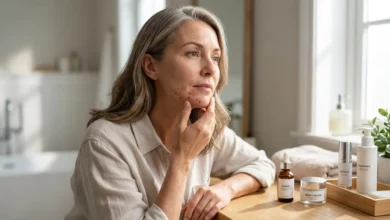
Acne is often miscast as a teenage inconvenience that disappears with the high school diploma. For a significant number of women, however, breakouts persist well into their 30s—or erupt for the first time during a decade typically associated with career growth and family planning. Adult female acne is not a rare anomaly; dermatologists estimate that roughly 25% of women in their 30s experience clinical acne. The condition carries unique psychological weight because it collides with the first signs of aging, leaving women to navigate a confusing terrain where anti-wrinkle serums and benzoyl peroxide spot treatments compete for bathroom-counter real estate. Understanding the biological underpinnings, proven treatments, and daily habits that influence acne in your 30s can transform frustration into a clear, actionable roadmap.
| Dimension | Teenage Acne | Acne in 30s Female |
|---|---|---|
| Primary Hormonal Driver | Surge in androgens during puberty | Relative androgen dominance due to declining estrogen, perimenopause, or conditions like PCOS |
| Typical Location | Forehead, nose, and chin (T-zone) | Lower face: jawline, chin, and upper neck |
| Lesion Type | Mixed comedonal and inflammatory | Deep, tender cysts and nodules; comedonal acne may also appear |
| Skin Sensitivity | Resilient, tolerates harsher products | Thinner, more reactive; requires barrier-friendly formulations |
| Overlapping Skin Concerns | Rarely concerns about aging | Simultaneous fine lines, uneven texture, and post-inflammatory hyperpigmentation |
| Treatment Approach | Often responds to over-the-counter products alone | Frequently needs combination therapy: topical retinoids, hormonal agents, or professional procedures |
| Psycho-Social Impact | Peer pressure and self-esteem | Professional image, social confidence, and distress when aging skin does not “grow out of acne” |
Why Acne Appears in Women During Their 30s
The persistence or sudden onset of acne in a woman’s 30s is rarely a single-variable event. Instead, it reflects a convergence of internal hormonal shifts, external aggressors, and lifestyle pressures that differ markedly from the acne of adolescence. Recognizing these contributors is the first step toward a strategy that addresses root causes rather than just spots.
The Role of Hormonal Fluctuations and Androgen Sensitivity
During a woman’s 30s, the endocrine landscape begins to change subtly but meaningfully. Estrogen levels, which exert a protective, sebum-suppressing effect on the skin, may start to fluctuate as the body edges toward perimenopause. When estrogen drops and androgens—male hormones present in all women—remain steady, the relative androgen excess stimulates sebaceous glands to overproduce oil. This excess sebum combines with dead skin cells, clogs pores, and fuels the growth of Cutibacterium acnes, the bacterium centrally implicated in inflammatory acne. Research published in the Journal of the American Academy of Dermatology indicates that adult acne in women is strongly correlated with such androgen sensitivity, even when absolute hormone levels fall within the normal range.
Beyond intrinsic ovarian aging, monthly menstrual cycles remain a potent trigger. Many women notice deep, cystic bumps along the jawline that emerge a week before menstruation. This premenstrual window is characterized by progesterone peaking and then falling, which can heighten androgen activity. For some, the acne resolves shortly after menstruation begins; for others, the lesions linger and leave stubborn post-inflammatory marks. Understanding this cyclical pattern allows women to anticipate breakouts and use targeted treatments—such as azelaic acid or a low-dose topical retinoid—during the luteal phase of their cycle.
Distinguishing Adult-Onset Acne from Persistent Teenage Acne
Acne that continues from adolescence into the 30s is considered persistent acne, whereas brand-new breakouts that appear for the first time after age 25 are classified as adult-onset acne. The distinction matters because the underlying mechanisms and treatment paradigms differ. Persistent acne often retains a strong genetic component and may still be driven by high sebum production similar to teenage skin, though the distribution shifts downward. Adult-onset acne, by contrast, is more tightly linked to acquired hormonal changes, stress, and the cumulative effects of skincare products that are not suited to a maturing epidermis.
Clinically, adult-onset acne tends to be inflammatory and nodulocystic, concentrated on the lower third of the face, while persistent acne may have a greater comedonal component. A thorough history—including when breakouts first began, their relationship to the menstrual cycle, and any concurrent symptoms such as unwanted hair growth or menstrual irregularity—helps dermatologists determine whether an underlying condition like polycystic ovary syndrome (PCOS) needs to be addressed. This differentiation guides everything from laboratory testing to the decision about prescribing hormonal therapies instead of relying solely on topical regimens.
A Medical Overview of Adult Female Acne
Adult acne is not a monolithic diagnosis; it spans a spectrum of lesion types and may signal internal imbalances that extend beyond the skin. A clear medical framework helps women understand why their acne looks and behaves the way it does, and why over-the-counter products designed for teenage skin often fall short. Dermatologists categorize adult female acne using both morphological and physiological criteria, which then inform targeted treatment plans.
Common Acne Types: Comedonal, Inflammatory, and Cystic
Comedonal acne manifests as closed (whiteheads) or open (blackheads) pores without significant redness. It results from abnormal follicular keratinization, where dead skin cells stick together inside the pore under the influence of androgens and sebum. In a woman’s 30s, comedonal acne can appear on the cheeks and chin, often exacerbated by heavy moisturizers or makeup that are designed for anti-aging but inadvertently block pores. Inflammatory acne appears as red papules and pustules when the wall of the clogged follicle ruptures and triggers an immune response. This type is frequently seen in adult women who experience hormonal fluctuations and may be more reactive to stress.
Cystic acne represents the most severe form: deep, painful nodules that form when inflammation extends far into the dermis. These lesions are particularly common along the jawline and lower cheeks and are classic for hormonal acne in this age group. They resist topical penetration and often require systemic therapy such as spironolactone or isotretinoin to fully resolve. Because cystic acne can lead to atrophic scarring and persistent post-inflammatory hyperpigmentation, early intervention is critical. The American Academy of Dermatology emphasizes that treating cystic acne aggressively reduces the long-term burden of scarring.
Underlying Conditions: PCOS, Thyroid, and Sebaceous Gland Changes
Polycystic ovary syndrome (PCOS) is one of the most relevant underlying conditions for acne in women in their 30s. It features hyperandrogenism, which not only drives acne but may also cause irregular periods, hirsutism, and weight gain. Even without a formal PCOS diagnosis, subtle adrenal or ovarian androgen excess can be the root cause of stubborn breakouts. An endocrinologist or dermatologist may order blood tests for free testosterone, DHEAS, and luteinizing hormone to identify these imbalances. When PCOS is confirmed, a combination of metformin, oral contraceptives, and spironolactone can dramatically improve skin.
Thyroid dysfunction, though less frequently discussed in relation to acne, also influences cutaneous health. Hypothyroidism can slow cellular turnover, leading to dull, congested skin that is more prone to comedones. Hyperthyroidism may increase sweating and skin perfusion, altering the microenvironment. Additionally, perimenopausal decline in estrogen directly affects sebaceous glands: they become more sensitive to androgens, producing a thicker, more adherent sebum. This change in sebum composition fosters a pro-inflammatory environment. Recognizing these systemic contributors ensures that treatment addresses the internal milieu, not just the surface marks.
Daily Skincare Routine for Acne-Prone Women in Their 30s
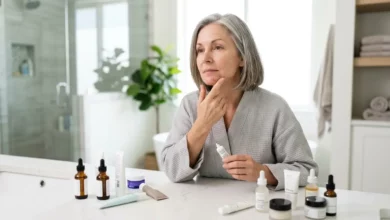
Building a daily regimen that simultaneously manages acne and addresses early signs of aging requires a delicate balance. The skin of a 30-something woman is less forgiving than teenage skin; it demands ingredients that fight breakouts while preserving barrier integrity and stimulating collagen. A routine that is too harsh will trigger rebound oiliness and irritation, whereas one that is too rich will clog pores. The following framework harmonizes these competing needs.
Cleansing, Exfoliation, and pH Balance for Mature Skin
Cleansing should remove excess oil, sunscreen, and makeup without stripping the stratum corneum of its protective lipids. A gel or foam cleanser with a low concentration of salicylic acid (0.5–2%) can gently decongest pores while the slightly acidic pH (around 5.5) respects the skin’s acid mantle. Washing twice a day is sufficient; more frequent cleansing can compromise the barrier and paradoxically increase sebum production, as noted by dermatologists at resource: American Academy of Dermatology. Avoid scrubs with sharp, irregular particles—they create microtears that inflame acne and worsen post-inflammatory erythema.
Exfoliation in this age group should shift from physical to chemical methods. Salicylic acid (a beta hydroxy acid) penetrates oil-filled pores, while lactic acid or mandelic acid (alpha hydroxy acids) gently resurface the skin’s surface, improving texture and fading dark marks. The key is moderate frequency: two to three times per week is adequate for most women. Over-exfoliation leads to a tight, shiny “glassy” appearance that signals a compromised barrier, which then invites bacteria and irritants. Balancing exfoliation with barrier-repairing ingredients like ceramides and niacinamide maintains resilience.
Incorporating Retinoids Safely While Managing Dryness
Retinoids, derivatives of vitamin A, are the gold standard for both acne and anti-aging because they normalize follicular keratinization, reduce microcomedones, and stimulate collagen production. However, the skin of a 30-year-old woman may exhibit retinoid dermatitis if the product is introduced too aggressively. Starting with an over-the-counter retinaldehyde or a low-strength adapalene (0.1%) and using it only two nights per week, gradually increasing to nightly use, allows the skin to acclimate. Buffering—applying a light moisturizer before or after the retinoid—can mitigate peeling without blunting efficacy.
Dryness from retinoids can be managed by pairing them with deeply hydrating, non-comedogenic moisturizers that contain squalane, hyaluronic acid, and glycerin. It is essential to use a broad-spectrum sunscreen with SPF 30 or higher every morning, as retinoids increase photosensitivity. Many women in their 30s have already begun a retinol for anti-aging, but if acne persists, switching to a prescription-strength tretinoin or trifarotene under dermatologist supervision can deliver more comprehensive results. Consistency and patience are paramount; retinoid benefits accrue over months, not days.
Topical and Oral Medical Treatments
When a structured skincare routine is not enough, medical treatments step in to tackle the inflammatory cascades and hormonal drivers of adult acne. The selection of a specific agent depends on acne severity, predominant lesion type, and whether pregnancy is a consideration. Dermatologists often use a multi-pronged approach that combines topical and systemic therapies to address both the visible lesions and their underlying triggers.
Benzoyl Peroxide, Salicylic Acid, and Azelaic Acid Efficacy
Benzoyl peroxide is a potent antimicrobial that rapidly kills Cutibacterium acnes without inducing antibiotic resistance, making it a foundational over-the-counter option. It is available in wash and leave-on formulations at concentrations from 2.5% to 10%. For mature skin, lower concentrations are preferable because they minimize dryness while delivering comparable antibacterial action. Benzoyl peroxide can bleach fabrics, so it is often used in the evening. Salicylic acid, as a lipophilic beta hydroxy acid, exfoliates inside the pore and is particularly effective for comedonal acne. It also possesses mild anti-inflammatory properties, which help calm surrounding redness.
Azelaic acid, derived naturally from grains, is uniquely suited to adult female acne because it addresses multiple pathways: it normalizes keratinization, reduces bacterial proliferation, and is a tyrosinase inhibitor that fades post-inflammatory hyperpigmentation. It is pregnancy-safe (category B) and well-tolerated by sensitive skin, making it a valuable option for women who are trying to conceive or are already pregnant. Studies published in resource: Journal of the European Academy of Dermatology and Venereology show that 15–20% azelaic acid can be as effective as topical tretinoin for mild-to-moderate acne with fewer side effects. These three agents can be layered or alternated to target different aspects of the acne cycle.
Prescription Options: Spironolactone, Antibiotics, and Isotretinoin
Spironolactone is a potassium-sparing diuretic that acts as an androgen receptor blocker. At low doses (50–100 mg daily), it reduces sebum production and is highly effective for hormonal jawline acne in women. It requires monitoring of potassium levels and is not suitable during pregnancy, but it has an excellent safety profile and can be used long-term. Clinical experience from resource: American Academy of Dermatology confirms that spironolactone significantly reduces inflammatory lesions in adult women.
Oral antibiotics such as doxycycline or minocycline work by decreasing bacterial load and exerting anti-inflammatory effects. They are typically prescribed for short durations (three to four months) to prevent antibiotic resistance and are often combined with topical therapies. For recalcitrant, scarring, or severe nodulocystic acne, oral isotretinoin remains the most definitive treatment. It permanently shrinks sebaceous glands, normalizes keratinization, and can induce long-term remission. However, it carries mandated pregnancy prevention programs due to its teratogenicity, and women over 30 may experience more pronounced mucocutaneous side effects. A thorough discussion with a dermatologist to weighs these risks against the profound improvement in quality of life.
Hormonal Contraceptives and Acne Management
Hormonal birth control has been a staple in acne management for decades, yet the decision to use it in one’s 30s requires nuanced consideration of cardiovascular risk factors, fertility plans, and the types of progestin in each formulation. When acne has a clear hormonal pattern, modulating the endocrine axis can produce smoother, clearer skin.
How Birth Control Pills Affect Sebum Production
Combined oral contraceptives contain ethinyl estradiol plus a progestin. The estrogen component increases sex hormone-binding globulin, which binds free testosterone and reduces its availability to stimulate sebocytes. As a result, sebum production decreases, and follicular obstruction is less likely. The specific progestin matters: formulations containing drospirenone, norgestimate, or desogestrel have anti-androgenic properties, whereas older progestins like levonorgestrel can sometimes exacerbate acne by having androgenic activity. The FDA has approved several oral contraceptives for acne, including those with drospirenone and norgestimate.
It may take three to six cycles for the skin to show visible improvement, and breakthrough acne in the first months is common. Women in their 30s who smoke or have a history of migraines with aura, hypertension, or clotting disorders may not be candidates for combined pills due to an elevated risk of thromboembolism. In such cases, a progestin-only intrauterine device may be considered, though some hormonal IUDs can worsen acne by reducing endogenous estrogen exposure. A detailed conversation with a gynecologist or dermatologist is essential to match the contraceptive method with both dermatologic and overall health goals.
Risks and Benefits of Hormonal Therapy for Women Over 30
The benefits extend beyond acne: combined oral contraceptives can regulate menstrual cycles and reduce the risk of endometrial and ovarian cancers when used long-term. However, women over 30, especially those who are perimenopausal, must weigh the small but real risk of venous thromboembolism and breast cancer associated with hormonal preparations. Resource: World Health Organization guidelines categorize combined hormonal contraceptives based on patient age and comorbidities, and they remain appropriate for many healthy non-smoking women until menopause.
For those who cannot or prefer not to use systemic hormones, topical anti-androgens like clascoterone cream 1% (FDA-approved for acne) provide a targeted approach that blocks androgen receptors in the skin without systemic exposure. This innovation broadens the toolkit, allowing women to address hormonal acne while avoiding the systemic risks of oral medications. Ultimately, hormonal therapy is a powerful tool, but it is just one part of a comprehensive acne plan that includes skincare, lifestyle modification, and regular dermatologic follow-up.
Lifestyle Factors That Influence Breakouts
Beyond pharmacy shelves and prescription pads, daily habits exert a profound influence on acne in a woman’s 30s. The interplay between stress hormones, dietary choices, and sleep quality can amplify or diminish treatment efficacy. Addressing these factors does not replace medical therapy but creates a supportive environment in which skin can heal.
Stress, Cortisol, and Sleep Quality
Chronic psychological stress activates the hypothalamic-pituitary-adrenal axis, leading to elevated cortisol and corticotropin-releasing hormone. These stress hormones directly stimulate sebaceous glands and promote inflammation, as detailed in research from resource: National Institutes of Health. For women juggling careers, caregiving, and personal relationships, cortisol spikes are an all-too-common reality. Stress-related acne often erupts as deep papules on the lower face and can coincide with periods of poor sleep, which further disrupts circadian rhythms that govern skin repair and barrier function.
Prioritizing sleep hygiene—aiming for seven to nine hours of quality rest, maintaining a cool, dark bedroom, and avoiding screens before bed—reduces cortisol output and supports nocturnal skin regeneration. Mindfulness practices, yoga, and regular aerobic exercise lower stress perception and have been shown to reduce clinical acne scores in small observational studies. While stress management alone rarely clears severe acne, it can prevent the sudden flares that erode confidence and lead to impulsive picking, which deepens scarring.
Diet: High-Glycemic Foods, Dairy, and Inflammatory Triggers
The relationship between diet and acne has moved from myth to evidence-based science. High-glycemic-index foods—refined carbohydrates, sugary beverages, white bread—spike insulin and insulin-like growth factor-1 (IGF-1), which boost androgen activity and sebum production. A 2021 review in resource: International Journal of Dermatology concluded that low-glycemic-load diets can reduce acne lesion counts by up to 50% in some individuals. While not all women need to eliminate sugar entirely, shifting toward whole grains, legumes, and vegetables lowers the overall insulin burden.
Dairy, particularly skim milk, has been correlated with acne severity in multiple observational studies, possibly due to the presence of bioactive hormones and whey proteins that amplify IGF-1 signaling. Women in their 30s who notice breakouts after consuming milk, cheese, or whey protein shakes may benefit from a trial elimination of dairy for four to six weeks to gauge improvement. A food diary that links dietary intake with skin flare-ups helps identify personal triggers without unnecessary restriction. Emphasizing antioxidant-rich foods, omega-3 fatty acids, and zinc-containing proteins supports anti-inflammatory pathways that mitigate breakouts from within.
Professional In-Office Treatments
When topical and oral therapies plateau, in-office dermatologic procedures can provide the extra push toward remission, particularly for women dealing with stubborn comedones, deep cysts, or residual scarring. These treatments are performed by board-certified dermatologists and aestheticians under medical supervision, ensuring safety and efficacy for aging acne-prone skin.
Chemical Peels, Microneedling, and Laser Therapy
Chemical peels using salicylic acid, glycolic acid, or a Jessner’s solution exfoliate the top layers of the epidermis, decongesting pores and fading superficial hyperpigmentation. A series of light to medium peels spaced four to six weeks apart can significantly refine skin texture and reduce active comedones. For women in their 30s, the peeling agent’s concentration and dwell time must be adjusted to avoid post-inflammatory pigmentation, which darker skin types are more prone to. Microneedling creates microchannels that stimulate collagen and elastin while allowing transdermal delivery of anti-acne serums; it is especially beneficial for atrophic acne scars and overall skin laxity.
Laser and light-based therapies, such as blue light, intense pulsed light, or fractional non-ablative lasers, target the sebaceous glands and the bacteria within follicles. Blue light activates porphyrins produced by Cutibacterium acnes, generating reactive oxygen species that kill bacteria without damaging the surrounding tissue. Fractional lasers promote collagen remodeling and can improve both active acne and scarring. However, these technologies require multiple sessions and are typically not covered by insurance. A customized plan, often combining peels for textural improvement and laser for inflammatory control, delivers optimal long-term results.
Extraction and Cortisone Injections for Acute Cysts
Professional manual extraction by a trained dermatologist or licensed aesthetician can safely remove recalcitrant comedones that resist topical exfoliants. Unlike at-home squeezing, which drives inflammation deeper and leads to rupture of the follicle, clinical extraction uses sterile instruments and gentle pressure to minimize scarring. For an inflamed, painful cyst that develops suddenly before a major event, a dilute intralesional cortisone injection can flatten the lesion within 24–48 hours. The corticosteroid suppresses inflammation locally and prevents cystic rupture.
Cortisone injections are intended for occasional use; repeated injections into the same site can cause dermal atrophy or hypopigmentation. Dermatologists typically limit the volume and concentration to minimize these risks. This acute intervention does not treat the underlying acne process, so it must be integrated into a broader maintenance plan. Nonetheless, it provides psychological relief and prevents the physical damage caused by an expanding cyst dissecting through the dermis.
Pregnancy, Nursing, and Acne in the 30s
For many women, the 30s are prime childbearing years, which introduces a layer of complexity to acne treatment. The desire to maintain clear skin must be balanced with fetal safety, requiring modifications to both topical and systemic regimens. Fortunately, several effective and safe options exist that can be tailored to each stage of motherhood.
Safe Topical Ingredients During Pregnancy
Azelaic acid is a frontline pregnancy-safe treatment because it is naturally occurring and has an excellent safety profile (FDA category B). It reduces bacterial proliferation, comedones, and pigmentation simultaneously. Salicylic acid, in over-the-counter concentrations of 2% or less, is considered acceptable for short-contact use such as a wash, though many obstetricians advise caution with high-concentration peels. Glycolic acid and lactic acid in moderate strengths are also generally regarded as safe for light chemical exfoliation. Resource: American College of Obstetricians and Gynecologists provides guidance that topical exposure is minimal; nonetheless, it is wise to consult both obstetrician and dermatologist.
Benzoyl peroxide has limited systemic absorption and is often recommended by dermatologists for pregnant women because it rapidly reduces bacterial load and inflammation. Formulations of 2.5–5% are preferred to minimize irritation. All retinoids—including prescription tretinoin, adapalene, and over-the-counter retinol—should be discontinued during pregnancy due to a theoretical risk of retinoid embryopathy. Sunscreen becomes even more critical because melasma, or the mask of pregnancy, can darken any post-inflammatory marks on acne-prone skin. A mineral sunscreen with zinc oxide or titanium dioxide provides broad-spectrum protection without hormonal effects.
Alternative Treatments When Oral Medications Are Contraindicated
Oral medications such as spironolactone, isotretinoin, and tetracycline antibiotics are contraindicated during pregnancy and breastfeeding because they can cause fetal harm. Women who are trying to conceive should discontinue spironolactone several months in advance, as it can block androgen receptors critical to fetal development. The management of severe acne during this window relies on a strict topical regimen, professional extractions, and, when medically appropriate, light-based therapies that do not involve systemic photosensitizers.
For nursing mothers, most topical acne agents are safe because systemic absorption is negligible and does not reach breast milk in significant amounts. Azelaic acid, benzoyl peroxide, and gentle AHA exfoliants can be continued. If acne flares postpartum due to the hormonal shifts after delivery, patience combined with a consistent, simplified routine often leads to improvement as hormone levels normalize. Tele-dermatology services like Curology or Dear Brightly provide customized prescription topicals that can be adjusted during this life stage, offering an accessible bridge between in-office visits.
Managing Acne Scars and Hyperpigmentation
The dark marks and textural irregularities left behind by adult acne can linger long after active breakouts have subsided. In the 30s, the skin’s repair mechanisms begin to slow, making post-inflammatory hyperpigmentation (PIH) and atrophic scars more persistent. A proactive, multi-layered approach can significantly accelerate fading and improve overall skin homogeneity.
Prevention of Post-Inflammatory Marks
Preventing PIH starts with controlling the inflammation that triggers it. Using a combination of azelaic acid during the day and a retinoid at night helps speed cell turnover so that melanin-laden keratinocytes are shed before they settle permanently. The single most impactful preventive measure, however, is daily sunscreen use. UV radiation deepens existing pigmentation and prolongs its resolution; even brief unprotected exposure can undo weeks of brightening treatment. A tinted mineral sunscreen with iron oxides offers additional protection against visible light, which also exacerbates hyperpigmentation in deeper skin tones.
Avoiding picking, squeezing, and aggressive extraction is equally critical. Manipulating a pimple induces intrafollicular pressure that ruptures the follicle wall downward into the dermis, creating a depressed scar and depositing melanin unevenly. Wearing pimple patches or hydrocolloid dressings overnight can physically prevent touching while absorbing exudate from open lesions. When inflammation is severe, early intralesional steroids or a course of anti-inflammatory doxycycline can limit the duration and depth of inflammation, thereby reducing subsequent discoloration.
Topical Brighteners, Sun Protection, and Retinol Layering
Beyond prevention, active brightening agents target existing PIH. Vitamin C (L-ascorbic acid) is a potent antioxidant that inhibits tyrosinase, the enzyme that produces melanin, while also boosting collagen synthesis—a dual benefit for aging acne-prone skin. Niacinamide, a form of vitamin B3, interferes with melanosome transfer to keratinocytes and strengthens the barrier, making it a suitable partner for retinoids. Kojic acid, tranexamic acid, and licorice root extract are other well-studied brighteners that can be found in serums and prescription formulations.
Layering these actives requires patience. A typical morning routine might pair vitamin C under sunscreen, while the evening incorporates a retinoid followed by a niacinamide-rich moisturizer. Consistency over at least 12–16 weeks yields visible fading of brown marks. For established atrophic scars, topical therapy alone cannot fully erase them; combination with microneedling or fractional laser generates new collagen and smooths the skin’s surface. Professional guidance from a board-certified dermatologist ensures that the chosen modalities are appropriate for a woman’s specific Fitzpatrick skin type and scar morphology.
When to Consult a Dermatologist
Navigating online advice and pharmacy aisles can only take a woman so far. Certain red flags mandate a professional evaluation to prevent permanent scarring, diagnose underlying systemic conditions, and access prescription tools that are not available over the counter. Recognizing these signs avoids months of trial-and-error frustration.
Signs of Treatment Resistance or Sudden Onset
If a consistent, evidence-based over-the-counter regimen has yielded no improvement after 8 to 12 weeks, or if acne worsens despite treatment, dermatology referral is warranted. Treatment resistance may signal an internal driver—such as PCOS, adrenal hyperplasia, or a medication side effect—that topical agents cannot overcome. A sudden, severe outbreak of deep, painful nodules in a woman who previously had clear skin is another urgent sign. Such an eruption may be acne fulminans or a hypersensitivity reaction, both of which require prompt systemic therapy to prevent extensive scarring.
Additionally, the presence of scarring, whether red, depressed, or hyperpigmented marks that persist more than a few months, indicates that previous inflammation has damaged the dermis. Early intervention with prescription retinoids, spironolactone, or isotretinoin can halt the progression. Women over 30 who develop acne alongside new symptoms such as irregular menses, rapid hair thinning, or deepening voice should seek endocrinologic evaluation. Dermatologists often coordinate care with endocrinologists to treat the person as a whole, not just the skin.
Preparing for a Dermatology Visit: Questions to Ask
Maximizing a dermatology appointment starts with preparation. Bring a list of all current skincare products, including active ingredients and how long they have been used. Photographing skin in natural light during breakouts provides the dermatologist with a more accurate picture, as flares may not coincide with the appointment day. A menstrual cycle log and any history of oral contraceptive use give crucial hormonal context.
Important questions to ask include: “Is my acne likely hormonal, and would lab tests help clarify?”, “What treatment options are compatible with my family planning timeline?”, and “How quickly should I expect improvement, and what are the signs I should stop or modify the plan?”. Inquire about the long-term strategy: “How will we transition from an active treatment to a maintenance routine?” A prepared patient becomes an active collaborator, and this partnership drives the best outcomes.
FAQ
Yes, some anti-aging formulations can exacerbate acne, particularly those that are occlusive or contain comedogenic emollients. Rich creams designed to trap moisture for dry, mature skin may inadvertently clog pores if they include ingredients like coconut oil, isopropyl myristate, or high concentrations of shea butter. Even potent anti-aging actives such as certain forms of vitamin C can cause breakouts when they are formulated in heavy, oil-based serums. The solution is not to abandon anti-aging efforts but to select products labeled “non-comedogenic” and to prioritize lightweight, gel-based vehicles. Layering anti-aging ingredients in separate, thin formulations—for instance, a hydrating serum with hyaluronic acid and a separate oil-free sunscreen—allows women to address fine lines without congesting follicles. Patch testing a new product on one area of the jaw for two weeks can reveal its acnegenic potential before full-face application.
Absolutely. Adult-onset acne is so common that it is considered a distinct clinical entity by dermatologists. While the psychosocial impact can be jarring—“I never had acne as a teenager; why now?”—the physiology is well-understood. The hormonal shifts of the 30s, even without a diagnosable disorder, are often sufficient to trigger acne in genetically susceptible individuals. Stress, dietary changes, and new skincare habits acquired as anti-aging concerns emerge can also unmask latent tendencies. Normal does not mean untreatable, however. The same strategies that work for persistent acne—retinoids, azelaic acid, and possibly hormonal therapy—are equally effective for late-onset cases. The key is early intervention to prevent the psychological distress and scarring that can follow years of struggling in silence.
Related Articles: