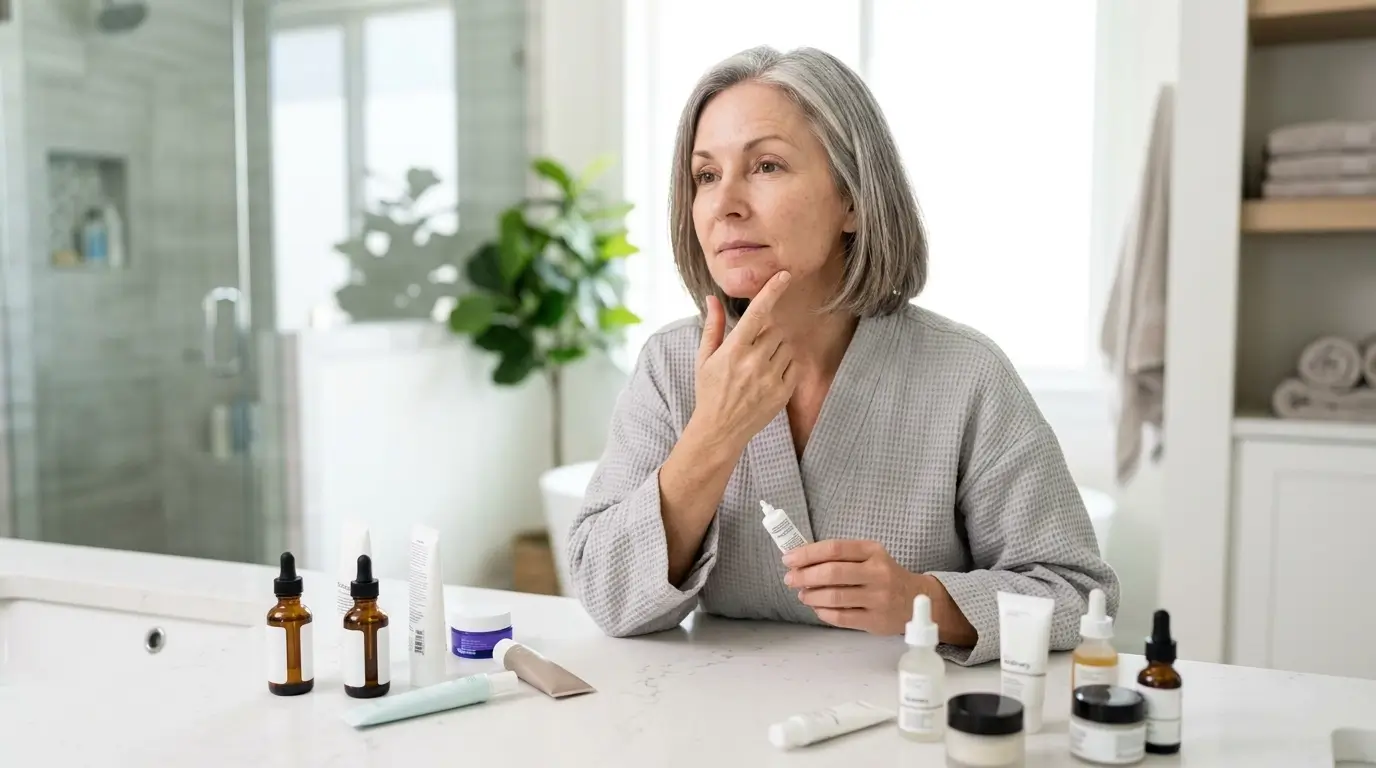
Acne in 50s Female: Causes, Treatments & Skincare for Menopausal Breakouts
Table of content
- Why Acne Appears in Women Over 50 – The Hormonal Shift
- Distinct Characteristics of Acne in Female Skin After 50
- First‑Line Medical Interventions for Menopausal Acne
- Professional Dermatological Procedures for Mature Acne
- Building a Skincare Routine for Acne‑Prone Skin in Your 50s
- Lifestyle and Dietary Adjustments to Reduce Breakouts
- Differentiating Acne From Other Skin Conditions Common in Older Women
- Common Myths and Misconceptions About Acne After 50
- Long‑Term Maintenance and Prevention of Recurrence
- FAQ
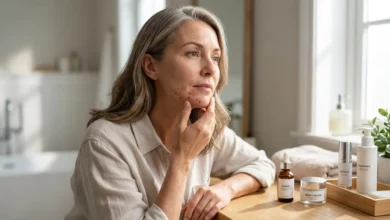
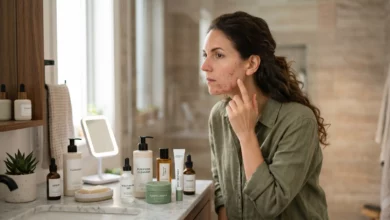
Dealing with acne in your 50s can feel like an unexpected betrayal. After decades of relatively clear skin, the emergence of pimples, cysts, or stubborn blackheads is confusing and often emotionally draining. Yet this experience is far from rare. Studies indicate that acne affects about 15% of women over 50, with many cases linked to the hormonal upheaval of menopause. The underlying biology is distinct from teenage acne: it involves a decline in estrogen, a relative increase in androgens, and changes in skin texture and barrier function. Because the skin becomes thinner, drier, and more sensitive with age, conventional acne treatments can be too harsh. A thoughtful approach—blending medical science with gentle skincare—can restore clarity and confidence. This article unpacks why acne suddenly appears, how it differs from earlier breakouts, and what contemporary dermatology offers to manage it effectively.
| Feature | Teenage Acne | Acne in Women Over 50 |
|---|---|---|
| Primary cause | Puberty-related surge in androgens, excess sebum | Estrogen decline leading to androgen dominance |
| Common location | T-zone (forehead, nose, chin) | Lower face, jawline, chin, and sometimes trunk |
| Lesion type | Mixed comedones, inflammatory papules, pustules, cysts | Deeper, tender papules, cysts, and macrocomedones; less oily |
| Skin characteristics | Oily, resilient | Dry, sensitive, thinner, often with photoaging |
| Response to treatment | Can tolerate stronger exfoliants and drying agents | Needs gentle, barrier‑repair formulations; combination of anti‑acne and anti‑aging |
| Scarring and marks | Post‑inflammatory hyperpigmentation common; scars may fade | Slower healing, atrophic scarring, persistent post‑inflammatory erythema and pigmentation |
| Hormonal triggers | Fluctuating androgens during adolescence | Perimenopause/menopause, insulin resistance, stress‑related cortisol spikes |
| Recommended agents | Salicylic acid, benzoyl peroxide, retinoids | Low‑strength retinoids, azelaic acid, niacinamide, spironolactone |
Why Acne Appears in Women Over 50 – The Hormonal Shift
The sudden reappearance of acne in midlife is rarely about poor hygiene or diet alone. It is deeply intertwined with the endocrine changes that mark the menopausal transition. As the ovaries wind down their production of estradiol, the protective influence of estrogen on the skin diminishes. Simultaneously, androgen production from both the ovaries and adrenal glands continues, creating a state of relative hyperandrogenism. This imbalance stimulates the sebaceous glands to produce more sebum, while also altering the composition of that oil, making it more comedogenic. In addition, the hormone‑binding protein SHBG drops, leaving more free testosterone available to act on the skin. These new hormonal ratios can awaken dormant acne pathways even in women who never had a pimple as teenagers.
The Role of Estrogen Decline and Androgen Dominance
Estrogen has several skin‑beneficial roles: it promotes collagen synthesis, supports barrier function, and modulates sebum production. When estrogen levels fall steeply during perimenopause and remain low after menopause, these functions weaken. Androgens like testosterone and dihydrotestosterone (DHT) then exert a relatively unopposed effect on the pilosebaceous unit. This is not necessarily an absolute rise in androgens—serum levels may still be within the normal range—but rather a hypersensitivity of the androgen receptors in sebocytes. The result is increased sebum output, keratinocyte hyperproliferation within the follicle, and a tendency toward inflammation.
This androgen dominance is further amplified by insulin and insulin‑like growth factor‑1 (IGF‑1). Research has demonstrated that adult women with acne often have higher IGF‑1 levels, which can stimulate adrenal androgen synthesis and directly activate sebaceous glands (resource: American Academy of Dermatology). The interplay between diet, insulin resistance, and androgens explains why some women notice breakouts worsen with weight gain or a high‑glycemic diet. Addressing this requires looking beyond topical treatments to consider hormonal and metabolic factors.
Impact of Perimenopause vs. Postmenopause on Sebum Production
Perimenopause, which can begin in the early 40s and last several years, is characterized by erratic estrogen surges and drops. During this phase, some women experience an unexpected oiliness because fluctuating estrogen can temporarily boost sebum. Others find their skin becomes dry and then overcompensates by producing a thicker, waxier sebum that traps bacteria inside the pore. Postmenopause—when estrogen is consistently low—typically leads to reduced sebum production overall, but the composition of that sebum becomes more problematic: it contains fewer protective lipids and more oxidized squalene, which is highly comedogenic. Consequently, breakouts may persist well into the 60s, often as deep, inflammatory papules rather than superficial pustules.
Distinct Characteristics of Acne in Female Skin After 50
Recognizing how menopausal acne presents is essential for accurate diagnosis and treatment. Unlike teenage acne that covers the T‑zone, late‑onset acne clusters around the lower cheeks, jawline, and neck—areas rich in androgen receptors. The lesions themselves tend to be deeper and slower to resolve, often leaving behind red or brown marks that can linger for months. Additionally, the background skin is aging: it may show fine lines, loss of elasticity, and uneven pigmentation, making treatments that would be routine for a teenager too harsh or even counterproductive.
Common Locations (lower face, jawline, chin) and Lesion Types (cysts, papules)
The U‑zone distribution—jawline, chin, and upper neck—is a hallmark of hormonally driven acne. This pattern is so consistent that dermatologists often use it as a clue to investigate underlying androgen excess or sensitivity. The lesions are predominantly inflammatory: tender papules, pustules, and occasionally deep nodules that feel like knots under the skin. Closed comedones may appear as flesh‑colored bumps when the skin is stretched. Cystic acne can be particularly painful and, because the skin is thinner, rupture can cause atrophic scarring. Some women also develop macrocomedones—large, open comedones that are resistant to extraction—especially if they have a history of smoking or chronic sun exposure.
Interaction with Other Age‑Related Skin Concerns (dryness, sensitivity, wrinkles)
Mature skin has a compromised barrier function due to decreased ceramide production and slower cell turnover. This makes it more prone to transepidermal water loss, leading to surface dryness even when oil glands are overactive in the follicles—a condition known as “dry yet oily” skin. Using aggressive acne products can disrupt the barrier further, triggering redness, stinging, and a reactive increase in oil. The coexistence of acne and wrinkles, known as “acne‑aging skin,” requires a dual‑purpose approach. Ingredients like retinoids and niacinamide can address both, but the formulation and strength must be carefully selected. Post‑inflammatory hyperpigmentation is also more stubborn in older skin, often requiring months of dedicated treatment with azelaic acid or vitamin C alongside sun protection.
First‑Line Medical Interventions for Menopausal Acne
When over‑the‑counter washes fail, prescription therapies become necessary. Dermatologists tailor these to the patient’s lesion type, hormonal status, and skin sensitivity. The goal is not only to clear active breakouts but also to prevent scarring and maintain barrier health. Topical medications remain the cornerstone, while systemic agents are reserved for moderate to severe cases or when hormonal imbalance is evident.
Prescription Topicals: Retinoids, Dapsone, and Azelaic Acid
Topical retinoids such as tretinoin and adapalene normalize follicular keratinization, reduce inflammation, and prevent microcomedone formation. In mature skin, starting with a low concentration (0.025% tretinoin or 0.1% adapalene) and using a moisturizer buffer helps mitigate irritation. Dapsone 5% gel is another valuable option, especially for inflammatory papules; it has anti‑inflammatory and antimicrobial properties without antibiotic resistance risk. A clinical study of adult women showed a 52% reduction in total lesions after 12 weeks (resource: Journal of Drugs in Dermatology). Azelaic acid (15% gel or 20% cream) targets multiple pathways: it kills Cutibacterium acnes, reduces comedones, and inhibits tyrosinase to fade post‑acne marks. These topicals are often combined with a gentle cleanser and non‑comedogenic moisturizer to improve tolerability.
Systemic Options: Spironolactone as an Anti‑Androgen
Spironolactone has become a go‑to oral medication for hormonal acne in adult women. It blocks androgen receptors and inhibits 5α‑reductase, thereby reducing sebum production. Doses typically start at 50–100 mg daily, and it can take 3–6 months to see full effect. Spironolactone is particularly useful in perimenopausal women who cannot use combined oral contraceptives due to smoking or clotting risk. Side effects like breast tenderness, lightheadedness, or menstrual irregularities are dose‑dependent and often manageable. In healthy women without renal impairment, routine potassium monitoring is not required at low doses (resource: JAMA Dermatology). For women with concurrent hirsutism or androgenetic alopecia, spironolactone provides a welcome dual benefit.
Hormone Replacement Therapy (HRT) – Benefits and Risks for Acne
The relationship between HRT and acne is complex. Estrogen‑only HRT can reduce androgen‑driven sebum by elevating SHBG and suppressing ovarian androgen production, potentially improving acne. However, some progestogens used in combined HRT (e.g., medroxyprogesterone acetate) can have androgenic activity and worsen breakouts. Bioidentical or micronized progesterone is often better tolerated. The decision to use HRT for acne must weigh cardiovascular, thromboembolic, and breast cancer risks, which increase with age. A thorough consultation with a gynecologist or endocrinologist is essential. For women with severe menopausal symptoms and concurrent acne, HRT may be a reasonable component of a comprehensive plan, but it is not a first‑line acne treatment on its own.
Professional Dermatological Procedures for Mature Acne
In‑office procedures can accelerate clearance and address scarring without the systemic side effects of oral medications. They are often combined with a home‑care regimen for optimal results. Because mature skin heals more slowly and is more susceptible to post‑inflammatory pigmentation, the choice of procedure and its depth must be carefully calibrated.
Chemical Peels (Glycolic, Salicylic, TCA) – Efficacy and Safety
Superficial peels are well suited to aging skin. Glycolic acid (alpha‑hydroxy acid) exfoliates and stimulates collagen, improving both acne and fine lines. Salicylic acid (beta‑hydroxy acid) is lipophilic and penetrates oily follicles to clear comedones. A series of light peels every 2–4 weeks can significantly reduce inflammatory and non‑inflammatory lesions. Trichloroacetic acid (TCA) in low concentration is used for spot peeling of post‑acne hyperpigmentation. The risk of post‑peel dyspigmentation is higher in older skin, so strict sun protection and a tailored post‑care protocol are mandatory. Combination peels, such as salicylic‑mandelic acid, offer a middle ground with less stinging and redness, making them ideal for sensitive menopausal skin.
Laser and Light Therapies (Nd:YAG, IPL, Photodynamic)
Laser and light devices target acne through several mechanisms: killing C. acnes via porphyrin activation, suppressing sebaceous gland activity, and reducing inflammation. The 1450‑nm diode laser has shown dose‑dependent sebum reduction and long‑term improvement up to 12 months after treatment. Intense pulsed light (IPL) can improve both acne and associated erythema, and when combined with photodynamic therapy (PDT), it becomes a powerful option for recalcitrant cases. Nd:YAG laser at long pulse widths is particularly suitable for deeper skin tones, minimizing the risk of pigment changes. These modalities are advantageous for women who cannot take oral medications or want faster results, though multiple sessions are typically needed and costs can be a consideration.
Extraction and Steroid Injections for Painful Cysts
Inflammatory cysts that fail to respond to topical or oral therapy can be treated with intralesional corticosteroid injections. A small amount of triamcinolone diluted to 2.5–5 mg/mL is injected directly into the nodule, reducing inflammation and pain within 24–48 hours. This prevents rupture and subsequent scarring. Comedone extraction, performed by a dermatologist or skilled esthetician, can immediately clear macrocomedones that are otherwise resistant to topical retinoids. However, extractions must be done gently to avoid trauma to the surrounding tissue, which in older skin can lead to hyperpigmentation or even atrophic scars.
Building a Skincare Routine for Acne‑Prone Skin in Your 50s
A well‑designed daily routine is the foundation of long‑term control. The key is to treat acne without compromising the skin’s barrier or accelerating signs of aging. This means selecting products that are fragrance‑free, non‑comedogenic, and formulated with barrier‑repair ingredients.
Gentle Cleansing Without Stripping the Barrier
Cleansing should remove excess oil and makeup without leaving the skin tight or squeaky. Foaming gels with surfactants like sodium lauryl sulfate can be too drying; instead, use a cream or lotion cleanser containing glycerin, ceramides, or niacinamide. Washing twice a day is generally sufficient. If the skin feels dry post‑wash, consider a single evening cleanse and just splashing with water in the morning. Avoid abrasive scrubs and cleansing brushes, which create micro‑tears and worsen sensitivity. A benzoyl peroxide wash at 2.5–4% can be used a few times a week on oily areas, provided it is rinsed off thoroughly.
Moisturization Strategies with Non‑Comedogenic, Barrier‑Repair Ingredients
Many women over 50 fear that moisturizers will clog pores. In reality, a dry, compromised barrier can trigger more sebum production as compensation. Lightweight, oil‑free moisturizers with hyaluronic acid, dimethicone, and ceramides hydrate without occluding follicles. Ingredients like niacinamide strengthen the barrier and have anti‑inflammatory properties, directly benefiting acne. Apply moisturizer to damp skin to lock in hydration, and always layer it under sunscreen during the day. For very dry patches, a thicker formulation with shea butter or squalane may be used at night on non‑acne‑prone areas.
Incorporating Active Ingredients (BHA, Retinol, Niacinamide) Safely
Retinol, a milder cousin of prescription retinoids, can be started at 0.25–0.5% every third night, gradually increasing frequency as tolerance builds. It addresses both acne and photoaging, making it a cornerstone for mature skin. Salicylic acid (BHA) at 0.5–2% can be used as a leave‑on serum or in a toner a few times a week to keep pores clear. Niacinamide is exceptionally versatile: at concentrations of 4–5%, it reduces sebum, improves barrier function, and lightens hyperpigmentation. Combining these actives requires patience—introduce one at a time and always buffer with moisturizer. A simple routine might include: morning—gentle cleanser, niacinamide serum, moisturizer, sunscreen; evening—double cleanse, retinol (on alternate nights), moisturizer.
Lifestyle and Dietary Adjustments to Reduce Breakouts
While no single food causes acne, emerging evidence supports a role for overall dietary patterns in modulating inflammation and hormone‑related breakouts. Similarly, stress and sleep quality directly influence cortisol levels, which can aggravate androgen‑driven acne. Small, consistent changes often yield noticeable improvements when combined with medical treatment.
Low‑Glycemic and Anti‑Inflammatory Diet Patterns
High‑glycemic foods cause rapid insulin spikes, which then increase IGF‑1 and androgen bioavailability. A low‑glycemic load diet, rich in vegetables, legumes, whole grains, and lean protein, has been correlated with fewer acne lesions in some studies (resource: American Journal of Clinical Nutrition). Dairy, particularly skim milk, may exacerbate acne in susceptible individuals due to the presence of bovine IGF‑1 and other bioactive molecules. A trial of reducing dairy and high‑sugar foods for 8–12 weeks can help identify personal triggers. Emphasizing omega‑3 fatty acids from fatty fish, flaxseeds, and walnuts provides anti‑inflammatory benefits that may calm breakouts.
Stress Management and Sleep Quality Effects on Cortisol and Acne
Chronic stress elevates corticotropin‑releasing hormone and cortisol, which directly stimulate sebaceous glands and increase skin inflammation. Sleep deprivation further amplifies this stress response, while also impairing skin repair processes. Aiming for 7–9 hours of quality sleep per night and incorporating stress‑reduction techniques such as mindfulness meditation, yoga, or regular physical activity can bring measurable improvements. A consistent wind‑down routine—turning off screens an hour before bed, maintaining a cool room temperature—supports deep sleep and hormonal balance.
Avoiding Acne Exacerbators: Comedogenic Cosmetics and Hair Products
Makeup labeled “non‑comedogenic” or “oil‑free” is a safe choice, but even these can cause problems if applied over heavy primers or if brushes are not cleaned regularly. Mineral makeup powders with zinc oxide or titanium dioxide offer light coverage and may have a mild anti‑inflammatory effect. Hair products containing coconut oil, isopropyl myristate, or heavy silicones can migrate onto the forehead and temples, causing closed comedones—a condition sometimes called “pomade acne.” Washing hair before bedtime and using a clean pillowcase twice a week reduces contact with pore‑clogging residues.
Differentiating Acne From Other Skin Conditions Common in Older Women
Not every red bump is acne. Several facial dermatoses that become more prevalent after 50 can mimic acne, and a misdiagnosis leads to ineffective or even harmful treatment. Understanding the distinguishing features helps ensure appropriate referrals.
Rosacea vs. Acne – Overlapping Signs and Treatment Differences
Papulopustular rosacea presents with red, inflamed bumps and pustules on the central face, often accompanied by flushing and visible blood vessels. Unlike acne, rosacea has no comedones. The skin is usually dry and sensitive, and triggers include sun exposure, hot drinks, and spicy foods. Treatments for rosacea—such as topical ivermectin, metronidazole, and oral doxycycline at anti‑inflammatory doses—are ineffective against true acne. Using acne‑oriented products like benzoyl peroxide on rosacea can cause intense stinging and worsening erythema. A dermatologist can differentiate by examining the constellation of symptoms and may perform a skin scraping if Demodex mites are suspected.
Perioral Dermatitis and Contact Dermatitis Mimicking Acne
Perioral dermatitis causes small, monomorphic pink papules and pustules around the mouth, nose, and sometimes eyes, often with a rim of spared skin immediately around the lips. It is frequently triggered by topical steroids (even inhaled ones for asthma) or heavy facial creams. Contact dermatitis from fragrances, preservatives, or essential oils can produce an eczematous rash that looks acne‑like. Both conditions require stopping the offending product and may need a course of topical or oral antibiotics like tetracyclines. A patch test by a specialist can identify allergens.
Atrophic Scarring and Hyperpigmentation After Breaks
After decades of cumulative sun exposure, the skin’s ability to heal without a trace diminishes. Inflammatory acne lesions can leave behind pitted scars (ice‑pick, boxcar, or rolling) or sharply demarcated brown macules known as post‑inflammatory hyperpigmentation (PIH). These changes are often more distressing than the original pimples. Treatments for atrophic scarring include microneedling with radiofrequency or fractional laser resurfacing, which stimulate collagen remodeling. PIH responds to strict sun protection paired with topical tyrosinase inhibitors like azelaic acid, vitamin C, or prescription hydroquinone for short durations. Early, effective acne treatment is the best prevention.
Common Myths and Misconceptions About Acne After 50
Misinformation can delay proper care and add to the emotional burden. Clarifying these myths empowers women to seek evidence‑based solutions without guilt or confusion.
“Acne Is Only a Teenage Problem” – Addressing the Stigma
This pervasive myth often makes women feel embarrassed or that their skin is somehow “unhygienic.” In reality, acne after 50 is a recognized medical condition driven by biology, not a personal failing. A survey by the American Academy of Dermatology found that a significant percentage of adults in their 50s and 60s seek treatment for acne. Normalizing the conversation helps reduce stigma and encourages women to consult a dermatologist early, preventing unnecessary suffering and scarring.
“Natural Oils Alone Can Treat Menopausal Acne”
While some plant oils have anti‑inflammatory properties, many are highly comedogenic. Coconut oil, for instance, is rated a 4 out of 5 on the comedogenicity scale and can worsen breakouts. Tea tree oil, at proper dilutions, has some antibacterial activity but is not a substitute for proven agents like benzoyl peroxide or retinoids. The “natural” approach also overlooks the need for exfoliation and barrier repair. Effective acne care in mature skin relies on science‑backed ingredients, not untested home remedies.
“You Should Stop All Anti‑Aging Products During a Breakout”
Fear that anti‑aging actives will irritate acne often leads women to abandon retinoids, peptides, or antioxidants altogether. However, many anti‑aging ingredients—especially retinoids, niacinamide, and vitamin C—are excellent for acne management. The key is to adjust the formulation and routine, not to eliminate them entirely. For example, switching from a strong retinol cream to a gentle time‑release retinol or using it every third night allows the skin to adapt while still benefiting from both anti‑acne and anti‑aging effects.
Long‑Term Maintenance and Prevention of Recurrence
Menopausal acne is often a chronic condition that waxes and wanes with hormonal fluctuations. Achieving clear skin is only half the battle; maintaining it requires a proactive, adaptable plan.
Establishing a Regular Schedule for Topical Treatments
Once the skin has cleared, many patients are tempted to stop their topical regimen. However, maintenance therapy prevents new microcomedones from forming. A typical long‑term routine might involve using a topical retinoid 3–4 nights per week and a non‑comedogenic moisturizer daily. Seasonal adjustments—richer moisturizer in winter, lighter gel in summer—keep the skin balanced. Quarterly check‑ins with a dermatologist allow for early intervention if breakouts begin to recur.
When to Revisit Hormonal Evaluation and Adjust Medication
If acne returns despite consistent topical treatment, or if new signs of hyperandrogenism appear (such as hirsutism or scalp hair thinning), it may be time to revisit hormonal testing. Levels of free testosterone, DHEA‑S, and 17‑hydroxyprogesterone can be reassessed. For women on spironolactone, the dose may need adjustment as natural menopause progresses and androgen levels change. In some cases, an endocrinologist may recommend insulin‑sensitizing agents like metformin if insulin resistance is suspected. Regular follow‑up ensures the treatment strategy evolves with the body’s shifting hormonal landscape.
Monitoring and Adapting Routine as Skin Ages Further (Over 60)
As women move into their 60s and beyond, sebum production often declines further, and concerns like xerosis and actinic keratoses become more prominent. The skincare routine should shift accordingly: milder cleansing, richer but still non‑comedogenic moisturizers, and a continued focus on sun protection with broad‑spectrum SPF 50+. Active ingredients may need to be used at lower concentrations or less frequently. Skin cancer screenings become an integral part of dermatology visits, and any new “pimple” that does not heal should be evaluated to rule out basal cell carcinoma, which can sometimes mimic an acne lesion. By staying attuned to the skin’s changing needs, women can maintain a healthy, comfortable complexion throughout later life.
FAQ
Can stress cause adult acne in women over 50?
Yes. Psychological stress triggers the release of cortisol and corticotropin‑releasing hormone, which directly stimulate sebaceous glands to produce more oil. This can lead to new breakouts or worsen existing ones. Chronic stress also impairs the skin’s barrier function and slows healing, making post‑acne marks more persistent. Managing stress through relaxation techniques, adequate sleep, and regular exercise can reduce these adrenal‑driven flares.
Are over‑the‑counter acne products safe for mature skin?
Some are, but many conventional OTC acne products are formulated for oily teenage skin and can be overly drying or irritating for women over 50. Products containing high concentrations of benzoyl peroxide or harsh sulfates may compromise the already fragile skin barrier. Instead, look for lower strengths (2.5% benzoyl peroxide, 0.5% salicylic acid) and pair them with a ceramide‑rich moisturizer. Consulting a dermatologist helps identify which OTC options complement a prescription regimen without causing damage.
How long does it take for spironolactone to work for menopausal acne?
Spironolactone typically requires 3 to 6 months to show significant improvement because it works by modulating sebum production and follicle keratinization, processes that take several skin cycles to normalize. Some women notice a reduction in oiliness and inflammatory papules within the first 8 weeks, but optimal results are usually seen after 6 months of consistent use at an adequate dose (often 100–150 mg daily). Patience and regular follow‑up are essential.
Will HRT always make acne worse?
No, HRT does not always worsen acne. Estrogen‑only HRT reduces androgen activity by increasing SHBG and suppressing ovarian androgen synthesis, which can actually improve hormonal breakouts. The type of progestogen used matters: androgenic progestins like medroxyprogesterone acetate may aggravate acne, while micronized progesterone or drospirenone—which has anti‑androgenic properties—is less likely to do so. A personalized HRT regimen prescribed after thorough hormonal evaluation can be part of a comprehensive strategy for managing menopausal symptoms and skin changes.
Related Articles: