How to Get Rid of Chin Acne: Expert Treatment Guide
Table of content
Chin acne is more than an occasional nuisance—it can be persistent, painful, and difficult to camouflage. Unlike teenage breakouts that distribute evenly across the face, adult chin acne often clusters along the jawline and lower face, hinting at deeper triggers that require a targeted strategy. Whether you are dealing with deep, cystic lumps or surface-level whiteheads, understanding the root cause is the first step toward clear skin. This guide draws on current dermatological insights to help you reclaim your complexion through science-backed skincare, lifestyle adjustments, and appropriate professional interventions.
| Treatment Category | Mechanism of Action | Best For | Key Considerations |
|---|---|---|---|
| Salicylic Acid | Oil-soluble beta hydroxy acid exfoliates inside pores to clear debris and reduce inflammation. | Mild to moderate non-inflammatory acne, blackheads, and whiteheads on the chin. | May cause dryness; start with lower concentrations (0.5%–2%) and pair with a non-comedogenic moisturizer. |
| Benzoyl Peroxide | Releases oxygen to kill Cutibacterium acnes bacteria and reduces inflammation; helps prevent resistance when used with topical antibiotics. | Inflamed red pimples and pustules; acute spot treatment for chin breakouts. | Can bleach fabrics and cause peeling; begin with 2.5%–5% formulations to minimize irritation. |
| Topical Retinoids (Adapalene, Tretinoin) | Regulates skin cell turnover, unclogs pores, and reduces post-inflammatory hyperpigmentation. | Long-term prevention of comedones and management of mild to moderate chin acne. | Requires a gradual introduction (2–3 times weekly); may cause initial purging and photosensitivity. |
| Tea Tree Oil | Natural agent with antimicrobial and anti-inflammatory properties; reduces lesion count and severity in mild acne (resource: Mayo Clinic). | Occasional surface blemishes; a complementary option for those who prefer botanical remedies. | Must be diluted to avoid allergic contact dermatitis; less potent than prescription therapies. |
| Hydrocolloid Patches | Absorb excess fluid, protect the lesion from picking, and maintain a moist environment that promotes healing. | Early-stage pustules and weeping pimples on the chin; helpful for preventing manipulation. | Not effective for deep cystic nodules; change every 6–8 hours or when saturated. |
Understanding Why Chin Acne Forms
Before selecting any treatment, it pays to investigate why breakouts concentrate on the chin. The lower third of the face has a high density of sebaceous glands, making it particularly reactive to internal and external stimuli. Factors ranging from endocrine signals to everyday habits can conspire to trigger a flare. By identifying which of these elements applies to your skin, you can build a routine that not only treats existing blemishes but also prevents new ones from surfacing.
Hormonal Fluctuations and the Lower Face
Hormones are the most cited culprit behind stubborn chin acne, particularly in women aged 20 to 40. Androgens such as testosterone stimulate the sebaceous glands to overproduce sebum, an oily substance that can mix with dead skin cells and plug follicles. Because the chin and jawline contain a high concentration of receptors sensitive to these hormones, breakouts in this area often follow the menstrual cycle, appearing a week before menstruation and subsiding gradually afterward.
Elevated androgens may also result from conditions like polycystic ovary syndrome (PCOS) or from fluctuating insulin levels triggered by a high-glycemic diet. When insulin spikes, it can increase the production of androgen-like growth factors, further amplifying oil secretion. This hormonal cascade explains why some adults who never had teenage acne suddenly experience deep, tender cysts confined to the lower face. Board-certified dermatologists emphasize that hormonal chin acne is a medical condition, not a hygiene failure, and often requires a multimodal approach that goes beyond over-the-counter products.
Friction and Irritation (Acne Mechanica) from Phones and Masks
Not all chin acne originates from within. Acne mechanica is a distinctive form of breakout caused by repeated physical friction, pressure, or rubbing against the skin. Holding a mobile phone against the cheek and chin for prolonged calls transfers bacteria, sweat, and skin oils onto the surface while simultaneously occluding the pores. Over time, this can create a constellation of small, red bumps along the jawline that resist typical spot treatments.
Similarly, the widespread use of face masks—now a staple in many settings—gave rise to the term “maskne.” Masks trap humid breath against the chin and mouth, disrupting the skin’s microbiome and encouraging the overgrowth of microorganisms, including the yeast Malassezia. This form of fungal acne often appears as uniform, itchy red papules rather than the deeper cysts seen with hormonal breakouts. Switching to a clean, breathable mask daily and applying a protective barrier ointment can help mitigate mechanical irritation. Moreover, cleaning your phone screen at least once a day with an alcohol-based wipe reduces bacterial transfer.
Comedogenic Products and the Chin Area
The products you apply—or even those that drift down during hair care—can directly contribute to chin acne. Comedogenic ingredients are substances that have a known tendency to clog pores. Common offenders include coconut oil, isopropyl myristate, sodium lauryl sulfate, and certain algae extracts. Because the chin is a naturally oily zone, layering heavy, occlusive creams or foundations can push comedogenicity over the edge, forming closed comedones (small flesh-colored bumps) that can later become inflamed.
The under-chin and jawline are also exposed to hair conditioners, beard oils, and styling balms. Ingredients like petrolatum and silicons may create a film that traps sweat and debris. To counter this, scrutinize labels for “non-comedogenic” or “oil-free” claims, and consider a patch test by applying new products only on one side of the chin for two weeks before full-face adoption. Wash your face after conditioning your hair to ensure no residue lingers on the skin.
Essential Daily Skincare Routine for Chin Acne
Consistency is the backbone of acne management. A well-structured routine that respects the skin barrier while delivering active ingredients can turn the tide against stubborn chin bumps. The goal is to strike a balance: cleanse away impurities without stripping natural lipids, treat clogged pores with evidence-based compounds, and maintain hydration so the skin does not overcompensate by producing more oil. Below is a practical framework rooted in recommendations from the American Academy of Dermatology.
Choosing the Right Gentle Cleanser with Active Ingredients
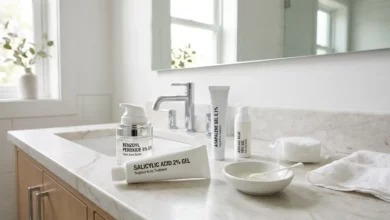
The foundation of any chin acne routine is a mild, non-abrasive cleanser used twice daily. Harsh soaps with high pH can disrupt the acid mantle and exacerbate inflammation, leaving the chin red and raw. Instead, opt for a gel or foam formula featuring salicylic acid at a concentration of 0.5% to 2%. This beta hydroxy acid penetrates lipid-rich follicles, dissolving the intercellular cement that holds dead skin cells together. It also has mild anti-inflammatory properties that can soothe redness around active breakouts.
For those with predominantly inflamed papules and pustules, a wash containing benzoyl peroxide (2.5%–5%) can be alternated with the salicylic acid cleanser. Benzoyl peroxide works by liberating oxygen radicals that are lethal to Cutibacterium acnes, the bacterium implicated in inflammatory acne. Use it in the morning and the salicylic acid at night, or vice versa, to reduce the risk of irritation. Resource: American Academy of Dermatology underscores that cleansing more than twice a day or scrubbing with textured pads can worsen acne, so gentle application with fingertips is enough.
Step‑by‑Step Application of Topical Treatments (Salicylic Acid, Benzoyl Peroxide)
After cleansing, the skin is primed to absorb leave-on treatments. The order of application matters: thin, water-based products should go on first, followed by gels, lotions, and creams. Once the face is dry, apply a thin layer of a salicylic acid serum or pad directly onto the chin and jawline, avoiding the eye area. Allow it to absorb for about a minute before moving to the next step. If you are using benzoyl peroxide as a spot treatment, dab a small amount only on the active pimple using a clean fingertip or cotton swab. Do not smear it over the entire chin unless prescribed, as this can lead to unnecessary peeling.
Pay attention to how your skin reacts. Mild tingling is common, but if the area becomes red or stingy, you may need to buffer the treatment by mixing it with a lightweight moisturizer. It is also wise to introduce one active ingredient at a time, spacing them by a few weeks. This approach helps you identify which compound truly delivers results and which might be contributing to irritation. For daytime, always finish with a broad-spectrum sunscreen (SPF 30 or higher) because both salicylic acid and benzoyl peroxide can increase photosensitivity.
Why a Lightweight, Non‑Greasy Moisturizer Is Critical
There is a persistent myth that oily, acne-prone skin does not need moisturizer. In reality, dehydration triggers a compensatory surge in sebum production, potentially worsening chin breakouts. A well-formulated moisturizer helps seal in water and strengthens the skin barrier, which is often compromised by aggressive acne treatments. Look for oil-free, gel-based products that contain humectants such as glycerin, hyaluronic acid, or dimethicone. These ingredients draw moisture into the skin without adding heaviness.
Non-comedogenic labels are helpful, but they are not regulated as strictly as one might assume. A better approach is to scan the ingredient list for known pore-clogging agents and select products tested on acne-prone panelists. Ingredients like ceramides and niacinamide (vitamin B3) offer the dual benefit of hydrating while calming inflammation and regulating sebum. Applying a pea-sized amount to the chin after your active treatments forms a protective film that reduces transepidermal water loss, allowing the skin to heal and renew overnight.
Over‑the‑Counter and Professional Treatment Options
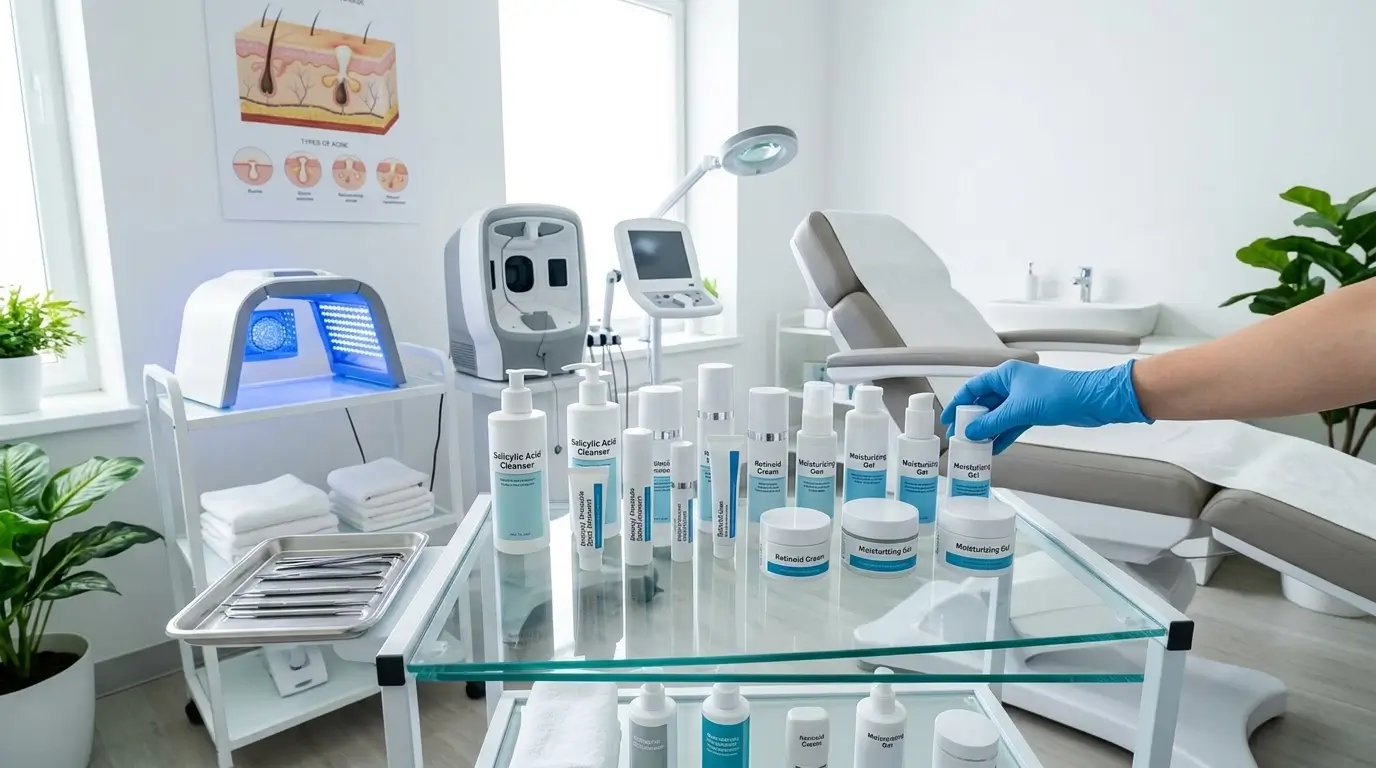
When a basic routine is not enough to subdue persistent chin pimples, the next tier involves advanced topicals and in-office procedures. These options generally require a dermatologist’s guidance, especially because they can produce significant—and sometimes initial—changes in the skin. However, they offer some of the most reliable long-term solutions for moderate to severe chin acne.
Retinoids for Cell Turnover and Prevention
Topical retinoids are considered the cornerstone of acne therapy. Adapalene (available over the counter at 0.1% gel) and prescription-strength tretinoin and tazarotene work by binding to retinoic acid receptors in the skin, normalizing the shedding of cells that line the follicle. This prevents the formation of microcomedones—the precursors to both blackheads and inflammatory lesions. On the chin, where cysts often develop deep, regular retinoid use can bring subsurface congestion to the surface more rapidly, a process known as purging, which typically resolves within four to six weeks.
To minimize irritation, apply only a rice-grain amount to the entire chin and jawline every third night for two weeks, gradually increasing to nightly use as tolerated. Always pair a retinoid with a moisturizer; the “retinoid sandwich” method—moisturizer, retinoid, then another layer of moisturizer—can buffer sensitive skin without compromising efficacy. Because retinoids thin the stratum corneum temporarily, sun protection is non-negotiable during treatment. Data from the American Academy of Dermatology confirms that consistent use for at least three months is required to evaluate full benefits.
Dermatological Procedures (Chemical Peels, Corticosteroid Injections)
For chin acne that resists topicals, dermatologists can administer targeted procedures. A salicylic acid chemical peel uses a higher concentration (20%–30%) of the active ingredient than home products, producing a controlled exfoliation that clears pores and stimulates collagen remodeling. The peel solution is applied directly to the chin for a few minutes, causing mild frosting and subsequent shedding over 3 to 5 days. It is particularly effective for stubborn closed comedones that feel like sandpaper under the skin.
Large, swollen cystic nodules that threaten to leave scars can be quickly defused with an intralesional corticosteroid injection. The doctor injects a dilute solution of triamcinolone directly into the cyst; within 24 to 48 hours, the lesion flattens and becomes painless. This is not a preventive measure but rather a rescue therapy for isolated, severe bumps. Repeated injections in the same spot can cause a temporary depression in the skin, so they are reserved for occasional use. Both chemical peels and injections should be performed only by a board-certified dermatologist to ensure safety and optimal dosing.
Prescription Oral Medications (Antibiotics, Spironolactone)
When chin acne is widespread, deeply cystic, or unresponsive to topicals, oral prescription medications become necessary. Oral antibiotics such as doxycycline or minocycline reduce the population of Cutibacterium acnes and exert anti-inflammatory effects that calm angry, red breakouts. Treatment is usually limited to three to six months to prevent antibiotic resistance, and it is often combined with a topical retinoid to sustain clearance once the antibiotic is stopped.
For women whose chin acne is clearly hormonal, spironolactone is an off-label but well-studied option. Originally a blood pressure medication, spironolactone blocks androgen receptors and decreases testosterone conversion in the skin. At doses of 50 to 100 mg daily, it can markedly reduce the deep, tender cysts that cluster along the jawline. It requires monitoring of potassium levels and is contraindicated during pregnancy. Many dermatologists, citing data from peer-reviewed journals, report that spironolactone is a game-changer for female patients who have suffered for years from hormonal chin acne.
Natural and Lifestyle Remedies for Chin Acne
While pharmaceutical interventions are often necessary, complementary lifestyle modifications can tip the balance toward sustained clarity. These approaches target the systemic factors that drive chin acne, such as diet, stress, and environmental debris. They work best when integrated with a dermatologist-guided skincare plan.
Diet Adjustments: Lowering Glycemic Load and Dairy Intake
A growing body of research links high-glycemic diets—rich in refined carbohydrates and sugars—to acne severity. When blood sugar spikes, insulin levels surge, which may indirectly boost androgen activity and sebum production. A small study published in the American Journal of Clinical Nutrition found that participants who followed a low-glycemic-load diet experienced significant reductions in acne lesions compared to a control group over 12 weeks. For chin acne, concentrating on whole grains, legumes, and non-starchy vegetables can help stabilize insulin.
Dairy, particularly skim milk, has been correlated with acne in some observational studies, possibly due to bioactive hormones and growth factors present in milk. The connection is not universal, but if you notice a pattern of chin cysts appearing within a day or two of consuming milk, yogurt, or whey protein, a trial elimination for four weeks may be revealing. Substituting with fortified plant-based alternatives and calcium-rich foods such as broccoli and almonds can maintain nutritional adequacy without the potential trigger.
Stress Management and Cortisol Regulation
Chronic stress elevates cortisol, a glucocorticoid hormone that can signal sebaceous glands to produce more oil and slow wound healing. The chin is particularly sensitive to this mechanism because it already has a high density of oil glands. Cortisol may also disrupt the skin’s antimicrobial barrier, making it easier for bacteria to proliferate. Therefore, implementing stress-reducing practices is not merely a wellness trend—it is a physiological intervention for acne-prone skin.
Evidence-based stress management techniques include mindfulness meditation, progressive muscle relaxation, and moderate aerobic exercise. Even a 20-minute daily walk can lower cortisol levels over time. Sleep hygiene is equally important: aiming for 7 to 8 hours of uninterrupted sleep allows the body to regulate stress hormones and repair the skin. Devices that emit blue light should be turned off an hour before bed to prevent melatonin suppression. While stress reduction alone may not clear chin acne, it can significantly reduce the frequency and severity of flares, especially when combined with appropriate skincare.
Proper Pillowcase and Phone Hygiene Habits
Everyday items that press against the chin can harbor bacteria, yeast, dead skin cells, and product residue. A pillowcase that hasn’t been washed in a week can accumulate a biofilm of microorganisms that transfers back onto the face during the night. Switching to a clean, soft cotton or silk pillowcase every two to three days—and at minimum once a week—reduces this microbial load. Similarly, phones that are handled frequently pick up bacteria from hands and surfaces. Using a hands-free earpiece or speakerphone during long calls, and wiping the device with an electronic-safe disinfectant daily, curtails the mechanical acne that forms along the chin.
Hands themselves are a vector for chin acne. Resting the chin on the palm while reading or working introduces oils and dirt into the pores. Training yourself to avoid this habit can be challenging but is aided by mindfulness or by using a stress ball during desk work. Additionally, items that touch the neck and chin, like helmet straps or scarves, should be laundered regularly. These low-tech interventions complement topical treatments and often make a noticeable difference in the persistence of lower-face breakouts.
Prevention and Long‑Term Maintenance
Achieving a clear chin is an accomplishment, but maintaining it requires consistent vigilance and an understanding of your personal triggers. Relapse is common when routines are abandoned abruptly. A maintenance plan that is realistic and adaptable will keep the skin in equilibrium without exhausting your time or budget.
Identifying and Eliminating Triggers (Makeup, Hair Products)
Many adults unknowingly sabotage their skin with cosmetics that claim to be “healthy” but contain comedogenic ingredients. Heavy foundations, thick concealers, and even some mineral powders can settle into chin pores, especially if not fully removed at night. Opt for oil-free, water-based formulas labeled “non-comedogenic,” but also check third-party reviews from acne-prone users. Makeup brushes and sponges should be washed once a week with a gentle shampoo to prevent bacterial growth.
Hair products are another overlooked trigger. Conditioners, leave-in serums, and styling pomades can migrate onto the chin and jawline from damp hair or during sleep. If you have long hair that touches your chin, pull it back after applying products and before bed. Similarly, beard oils and balms should be chosen for their non-acnegenic properties; ingredients like jojoba oil and squalane are less likely to clog pores than coconut or olive oil. By systematically reviewing every product that comes into contact with your lower face, you can often pinpoint the culprit behind recurrent chin acne.
Building a Consistent Skincare Routine Without Over‑Treating
Enthusiasm can lead to over-exfoliation—a state where the skin barrier is so compromised that it becomes red, tight, and paradoxically more prone to breakouts. The telltale signs include stinging when applying moisturizer and a shiny, almost plastic-like appearance of the chin. If this occurs, all actives should be withdrawn for a few days, and only a bland, fragrance-free moisturizer and sunscreen should be used until the barrier normalizes.
A sustainable maintenance regimen for chin acne typically involves using a salicylic acid or benzoyl peroxide wash in the morning, followed by a lightweight moisturizer and SPF. In the evening, a gentle cleanser can be paired with a retinoid applied every other night, layered under moisturizer. Spot treatments are used only as needed. Regular self-assessment every month helps you adjust for seasonal changes—for instance, a richer moisturizer may be needed in winter, while a higher SPF is essential in summer. Consistency over intensity is the mantra.
When to See a Dermatologist for Chronic Chin Acne
If after three months of diligent over-the-counter treatment your chin acne remains deep, painful, or scarring, it is time to consult a board-certified dermatologist. Red flags include nodules that persist for weeks without coming to a head, post-inflammatory dark marks that linger for months, and emotional distress that interferes with daily life. A dermatologist can perform a full evaluation, possibly including hormonal blood work, to rule out underlying endocrine disorders.
During the appointment, be prepared to discuss your complete skincare and diet history, as well as any medications or supplements you take. The doctor may prescribe a tailored combination of oral and topical therapies, and in some cases, isotretinoin may be considered for severe recalcitrant acne. Regular follow-ups every 8 to 12 weeks allow for dose adjustments and monitoring of side effects. Remember that acne is a medical condition, and seeking professional help is a proactive step toward long-term skin health.
FAQ
Is Chin Acne Different from Forehead Acne?
Yes, the biological origin and triggers often differ. Chin acne is strongly linked to hormonal fluctuations and appears more frequently in adult women, whereas forehead acne is commonly associated with product-induced clogging (pomade acne) or digestive influences in some traditional medicine frameworks. The chin’s high density of androgen-sensitive oil glands makes it susceptible to deep, cystic lesions, while forehead breakouts tend to be shallower and more responsive to exfoliating acids. Treatment strategies may overlap, but hormonal chin acne frequently requires systemic therapies such as spironolactone for women, a step rarely needed for forehead acne.
Can Birth Control Pills Help Clear Chin Acne?
Certain combined oral contraceptives that contain both estrogen and a progestin with anti-androgenic activity—such as drospirenone, norgestimate, or desogestrel—are FDA-approved for the management of moderate acne in women who also seek contraception. These pills work by suppressing ovarian androgen production and increasing sex hormone–binding globulin, which lowers free testosterone levels. Over several months, they can significantly reduce the deep, cyclic chin cysts associated with hormonal fluctuations. However, they are not suitable for everyone, particularly women with a history of blood clots or migraine with aura, so a thorough medical consultation is essential.
What Should I Do If My Chin Acne Is Painful and Deep?
A painful, deep nodule indicates significant inflammation within the follicle. Do not attempt to squeeze it, as this can rupture the follicle wall, spread infection, and increase scarring. Instead, apply a warm compress for 10 minutes twice a day to encourage drainage indirectly and reduce discomfort. Over-the-counter hydrocolloid patches can help prevent picking. If the lesion fails to improve or is especially large, visit a dermatologist who can administer a corticosteroid injection to flatten it within a day or two. In the meantime, continue your regular anti-acne routine on the surrounding skin, but avoid applying harsh actives directly on the painful cyst to prevent chemical burns.
Related Articles: