Acne in Your 20s: Comprehensive Causes & Treatment Guide
Table of content
- Understanding the Difference Between Teenage and Adult Acne
- Primary Causes of Acne in Your 20s
- Role of Hormones in Adult Acne
- Lifestyle and Environmental Triggers
- Over-the-Counter Treatment Strategies
- Prescription and Professional Treatments
- Managing Acne Scars and Hyperpigmentation
- When to See a Dermatologist for Acne in Your 20s
- Long-Term Prevention and Maintenance
- Frequently Asked Questions About Adult Acne
- FAQ
Breakouts in your 20s can feel like a betrayal. Having navigated the oily turbulence of adolescence, you expected clear skin by now. Yet, adult acne is remarkably common, affecting an estimated 40–55% of adults aged 20–40, according to the American Academy of Dermatology. Unlike the surface-level blemishes of the teenage years, acne in your 20s often presents as deep, painful cysts along the jawline and chin, and it can be more persistent and emotionally draining. Understanding why this happens is the first step toward regaining control. This guide explores the hormonal, lifestyle, and biological factors behind adult breakouts and maps out treatment pathways, from over-the-counter solutions to professional interventions, so you can build a strategy that actually works.
| Feature | Teenage Acne | Adult Acne (20s and Beyond) |
|---|---|---|
| Primary Location | Forehead, nose, cheeks (T-zone) | Lower face: jawline, chin, neck |
| Type of Lesions | Comedones (blackheads/whiteheads), papules | Cystic, nodular, often inflamed and painful |
| Main Drivers | Pubertal androgen surge, excess sebum | Hormonal fluctuations (menstrual cycle, stress), lifestyle factors, barrier dysfunction |
| Sebum Production | High, consistent overproduction | May be normal to high, but quality and composition of sebum change; more pro-inflammatory |
| Skin Sensitivity | Generally robust, tolerates harsher treatments | Thinner, more prone to irritation and dryness; requires gentle balancing |
| Treatment Approach | Aggressive oil control, benzoyl peroxide, salicylic acid | Combination therapy: gentle exfoliation, barrier repair, hormonal modulation, anti-inflammatory ingredients |
| Healing & Scarring | Faster healing, less tendency for post-inflammatory marks | Slower cell turnover, higher risk of hyperpigmentation and atrophic scarring |
Understanding the Difference Between Teenage and Adult Acne
Acne vulgaris is not a monolithic condition; its presentation and underlying mechanisms shift with age. While both teenage and adult acne involve the same four pathogenic steps—follicular hyperkeratinization, excess sebum, Propionibacterium acnes proliferation, and inflammation—the triggers and tissue responses differ markedly. Recognizing these differences is essential because the same products and habits that cleared your skin at 16 may now do more harm than good.
Age-Related Changes in Skin Physiology
In our teenage years, the surge of androgen hormones dramatically enlarges the sebaceous glands and ramps up oil production, leading to the classic shiny T-zone and clogged pores. The skin barrier is generally resilient, allowing adolescents to tolerate strong astringents and high concentrations of exfoliants. By the 20s, however, a natural decline in epidermal turnover begins. Cell renewal slows from roughly 28 days to 30–40 days, meaning dead skin cells hang around longer and are more likely to mix with sebum and create comedones. At the same time, photoaging and lifestyle stress start to chip away at the integrity of the skin barrier. The stratum corneum loses some of its ability to retain water, making adult skin more susceptible to irritation from topical actives that were once easily tolerated.
These physiological shifts mean that adult acne often coexists with sensitivity, uneven texture, and the earliest signs of fine lines. The same over-the-counter benzoyl peroxide wash that once cleared your forehead overnight can now leave the jawline dry, red, and flaky, triggering a rebound overproduction of oil. Effective adult acne care requires a dual mindset: managing breakouts while protecting and reinforcing the skin barrier. This is why many dermatologists now emphasize gentle cleansing, non-comedogenic moisturizers, and the strategic, intermittent use of exfoliants rather than daily aggressive scrubbing.
Why Breakouts Persist Beyond Adolescence
It is a common misconception that acne should disappear after the hormonal chaos of puberty settles. In reality, the endocrine system remains active and reactive throughout adulthood. The sebaceous glands are hormone-sensitive organs, and any fluctuation—whether from the menstrual cycle, pregnancy, or chronic stress—can prompt them to produce more oil and inflammatory signals. Moreover, adult acne often has a stronger inflammatory component than teenage acne. Research shows that adult females are more likely to develop deep, painful nodules and cysts, which are driven by a localized immune response within the pilosebaceous unit.
Another factor is the rise in Propionibacterium acnes diversity and biofilm formation within the follicle. Over time, certain strains of the bacteria become more adept at triggering inflammation, and repeated courses of antibiotics during adolescence may have selected for resistant populations. In addition, modern lifestyles—sleep deprivation, high-glycemic diets, and chronic low-grade stress—create a pro-inflammatory internal environment that keeps the skin in a constant state of low-level alertness. Thus, far from being a temporary teenage phase, acne can persist as a chronic condition that requires ongoing management well into adulthood.
Primary Causes of Acne in Your 20s
To effectively treat adult acne, you must first identify what is driving it. While every individual’s trigger profile is unique, two overarching mechanisms are at play: hormonal signaling that revs up oil production and the physical blockage of the follicle by dead cells and sticky sebum. These forces interact with lifestyle factors to determine whether a pimple will appear and how severe it will be.
Hormonal Fluctuations and Androgen Sensitivity
Androgens—such as testosterone, dihydrotestosterone (DHT), and dehydroepiandrosterone (DHEA)—are the master switches for sebaceous gland activity. Even if blood levels of these hormones are within normal limits, the skin’s response to them can be heightened, a phenomenon known as end-organ sensitivity. In the 20s, many individuals experience subtle hormonal shifts: the decline of puberty’s extreme highs gives way to monthly cycles in women and, for both sexes, stress-induced elevations in adrenal androgens. These fluctuations can cause the sebaceous glands to enlarge and secrete a waxier, more comedogenic type of sebum.
For women, conditions like polycystic ovary syndrome (PCOS) often become clinically evident in the 20s and are directly linked to hormonal acne. Men with naturally higher baseline testosterone may also notice persistent cystic breakouts. Even the use of certain supplements, such as high-dose vitamin B12 or whey protein, can indirectly stimulate androgenic pathways and trigger flare-ups. Understanding this hormonal component is crucial because it points toward treatments like oral contraceptives or anti-androgen medications that directly target the root cause rather than just the surface lesion.
Clogged Pores from Excess Sebum and Dead Skin Cells
Acne begins with a microcomedone—a plug of keratin and sebum that blocks the follicular opening. In adult skin, the process is exacerbated by slower cell turnover and a more adhesive type of sebum. Normally, shedding cells flow out with sebum onto the skin’s surface, but when the rate of desquamation slows, these cells can clump together inside the follicle. The result is a closed or open comedone, which provides an oxygen-deprived environment ideal for the proliferation of Cutibacterium acnes (formerly Propionibacterium acnes).
Environmental factors such as humidity and the use of occlusive cosmetics can tip the scales from a minor clog to a full-blown inflammatory papule. In a tropical climate, sweat mixes with bacteria and skin oils to form a film that encourages follicular blockage. The key to interrupting this process is regular, gentle exfoliation—not physical scrubbing, which can cause micro-tears and worsen inflammation, but chemical exfoliants like salicylic acid and retinoids that work on a cellular level to normalize desquamation and keep pores clear.
Role of Hormones in Adult Acne
Hormones are the silent architects of adult acne. Their influence extends far beyond the simple presence of androgens; it encompasses the timing, amplitude, and sensitivity of hormone signaling. For many in their 20s, the ebb and flow of reproductive hormones and stress hormones creates a predictable cycle of breakouts that can be anticipated and managed.
Impact of Menstrual Cycle and Pregnancy
Up to 85% of adult women notice a worsening of acne in the week before menstruation, a pattern known as premenstrual acne. This is due to the drop in estrogen and rise in progesterone after ovulation. Progesterone enhances sebum production and can increase skin pore swelling, while estrogen exerts a protective effect by reducing sebaceous gland activity. The sudden shift in the ratio leaves the skin vulnerable to clogging and inflammation in the lower face. This timing is so consistent that many dermatologists use it as a diagnostic clue for hormonal acne.
Pregnancy is another period of profound hormonal change. While some women experience the “pregnancy glow” due to increased blood flow, others develop acne, particularly in the first trimester when androgen levels temporarily spike. Treatment during pregnancy requires extreme caution because many standard acne medications—retinoids, isotretinoin, high-dose salicylic acid, and certain antibiotics—are contraindicated. Topical azelaic acid and limited benzoyl peroxide are among the few safe options, emphasizing the need for a tailored, medically supervised plan.
Stress-Induced Cortisol and Inflammation
Chronic stress does not directly cause acne, but it sets the stage for breakouts by raising cortisol and other adrenal steroids. Cortisol acts on the skin’s receptors to amplify sebum production and weaken the barrier, while also promoting systemic inflammation. In the 20s, when people often face career pressures, financial uncertainty, and inconsistent sleep patterns, cortisol levels can remain elevated for extended periods. This creates a vicious cycle: stress leads to acne, which in turn causes more stress and even picking at the skin.
Functional imaging studies have shown that the sebaceous glands themselves express receptors for corticotropin-releasing hormone, implying that the skin has its own stress-response axis. Stress management is therefore a legitimate dermatological intervention. Practices like mindfulness meditation, adequate sleep, and regular exercise have been shown to reduce acne severity, possibly by normalizing the hypothalamic-pituitary-adrenal axis. While stress reduction alone is rarely curative, it significantly enhances the effectiveness of topical and oral therapies.
Lifestyle and Environmental Triggers
Modern adult life is full of subtle acne accelerants that, while not the sole cause of breakouts, can push a predisposition into a visible flare. Dietary choices and the products we apply to our skin are the two most controllable external factors, and they deserve careful scrutiny.
Dietary Factors: High Glycemic Foods and Dairy
The relationship between diet and acne has been hotly debated, but current evidence points to two key culprits: high-glycemic-index carbohydrates and dairy products. High-glycemic foods—such as white bread, sugary snacks, and sweetened beverages—cause rapid spikes in blood glucose and insulin, which in turn elevate insulin-like growth factor 1 (IGF-1). IGF-1 stimulates sebaceous gland growth and boosts sebum production, while also promoting androgen activity. Even regular consumption of seemingly healthy foods like white rice or instant oatmeal can contribute to this pathway. Several observational studies, including data from the Harvard School of Public Health, have linked a high-glycemic-load diet to a higher prevalence of acne.
Dairy, especially skim milk, has been associated with acne in multiple large-scale epidemiological reviews. The proposed mechanism involves the amino acid leucine and other bioactive molecules in milk that activate mTORC1, a master regulator of cell growth and lipid synthesis. This pathway can enhance sebaceous gland activity and lead to comedogenesis. It is worth noting that fermented dairy like yogurt does not show the same association, perhaps because fermentation alters the insulinotropic effect. While everyone reacts differently, many dermatologists now recommend a trial of reducing high-glycemic foods and dairy for four to six weeks if inflammatory acne is persistent.
Skincare and Cosmetic Habits: Comedogenic Products
A common mistake among adults with acne is the use of heavy, occlusive products designed for dry mature skin, which inadvertently block pores. The term “comedogenic” refers to an ingredient’s tendency to promote comedone formation. Ingredients like coconut oil, isopropyl myristate, and certain lanolins are known offenders. However, the comedogenic rating is only one piece of the puzzle; the concentration, formulation, and individual skin chemistry all play roles. Layering multiple products—foundation, primer, heavy night cream—without thorough removal can lead to “acne cosmetica,” a pattern of small, uniform bumps across the cheeks and forehead.
On the flip side, an overly aggressive routine can also trigger breakouts. Over-exfoliation with strong acids or gritty scrubs disrupts the skin barrier, leading to dehydration, irritation, and a compensatory surge in oil production—a phenomenon dermatologists call “reactive seborrhea.” The ideal approach is to build a minimalistic routine centered on a gentle non-comedogenic cleanser, a lightweight moisturizer with ceramides or glycerin, and a broad-spectrum sunscreen that is labeled oil-free or non-comedogenic by a trusted brand like CeraVe or La Roche-Posay. Makeup users should opt for mineral-based powders or oil-free liquids and ensure complete removal every night.
Over-the-Counter Treatment Strategies
For mild-to-moderate adult acne, over-the-counter (OTC) products remain a powerful first line of defense. The key is to select active ingredients that target the specific pathogenic factors—clogging, bacteria, and inflammation—while respecting the more fragile nature of adult skin. Patience and consistency are more important than potency.
Topical Agents: Salicylic Acid, Benzoyl Peroxide, and Retinoids
Salicylic acid, a beta-hydroxy acid, excels at penetrating oil-filled follicles and dissolving the intercellular glue that binds dead skin cells. At concentrations of 0.5% to 2%, it gradually decongests pores and reduces the formation of new blackheads and whiteheads. Because it has anti-inflammatory properties, it is also less likely to cause redness than some other exfoliants. It works well in a daily cleanser or leave-on serum for maintenance.
Benzoyl peroxide is a fast-acting bactericide that kills C. acnes by releasing oxygen within the follicle, an environment the bacteria cannot tolerate. Unlike antibiotics, it does not induce bacterial resistance, making it an excellent long-term option. The downside is that it can be drying and bleaching, so adults should start with a 2.5% or 5% gel and apply it only to breakout-prone areas. A thin layer left on overnight, combined with a good moisturizer, can dramatically reduce inflammatory lesions within a few weeks.
Retinoids like adapalene (now available OTC in formulations like Differin) are arguably the most transformative anti-acne agent for adult skin. Adapalene normalizes follicular cell turnover, directly prevents microcomedone formation, and has anti-inflammatory activity. Unlike tretinoin, it is more stable and causes less irritation, but it still requires a careful ramp-up: apply a pea-sized amount every third night over moisturizer, then gradually increase frequency. The first two to four weeks may bring dryness and a mild “purge,” but skin typically adjusts to reveal smoother, clearer texture. Consistent use also stimulates collagen and reduces the appearance of early fine lines, making it a valuable two-in-one solution.
Building a Routine for Adult Acne-Prone Skin
A well-structured routine does not need to be complicated. Morning should focus on protection: wash with a gentle cleanser (salicylic acid optional), apply a vitamin C or niacinamide serum for antioxidant and anti-inflammatory benefits, and finish with an oil-free sunscreen of at least SPF 30. Evening is for repair and treatment: double-cleanse if you wear makeup or sunscreen, apply an active treatment (alternating nights of adapalene and benzoyl peroxide, for example), and seal with a barrier-supporting moisturizer containing ceramides, cholesterol, and fatty acids.
It is critical to introduce only one new active product at a time, waiting at least four weeks before adding another. This not only minimizes irritation but also allows you to identify which ingredient is helping or hurting. Many adults with acne sabotage their progress by cycling through too many products too quickly. Keeping a simple skin diary with photos can help you track the impact of each new addition and spot patterns like premenstrual flares or stress-related breakouts.
Prescription and Professional Treatments
When OTC measures fail to control breakouts or when acne presents as deep, scarring nodules, prescription therapies and in-office procedures can provide the necessary escalation. These treatments address the underlying causes more potently but require medical supervision to manage side effects.
Oral Medications: Spironolactone, Antibiotics, and Isotretinoin
For women with hormonal acne, spironolactone has become a cornerstone therapy. Originally developed as a diuretic, it blocks androgen receptors and reduces sebum production at the level of the sebaceous gland. A typical dose of 50–100 mg daily can lead to a significant reduction in oily skin and cystic jawline breakouts within three to six months, as supported by clinical guidelines from the Mayo Clinic. Because it can cause menstrual irregularities and is contraindicated in pregnancy, it must be prescribed alongside reliable contraception.
Oral antibiotics—usually tetracyclines like doxycycline—are sometimes employed for short-term management of moderate-to-severe inflammatory acne. They work by killing bacteria and calming inflammation, but their use is increasingly limited due to concerns about antimicrobial resistance and gut dysbiosis. Most dermatologists now limit antibiotic courses to three months and combine them with benzoyl peroxide to reduce resistance.
Isotretinoin (formerly known by the brand Accutane) is the most effective drug for severe, recalcitrant acne. It permanently shrinks sebaceous glands, dramatically reduces C. acnes, and normalizes follicular keratinization. A cumulative course of 120–150 mg/kg over four to six months can produce long-term remission in a majority of patients. However, its potent teratogenic effects require stringent pregnancy prevention for female patients, and common side effects include dry skin, muscle aches, and increased cholesterol. In the 20s, when skin is beginning to age, isotretinoin can be particularly harsh, but for those with scarring cystic acne unresponsive to other treatments, it can be life-changing. Resources like the American Academy of Dermatology emphasize that isotretinoin should be reserved for severe cases and managed by an experienced specialist.
In-Office Procedures: Chemical Peels, Light Therapy, and Extraction
Chemical peels using salicylic acid, glycolic acid, or trichloroacetic acid deliver a controlled exfoliation that accelerates cell turnover and clears pore obstructions. A series of light peels performed every two to four weeks can significantly improve non-inflammatory acne and post-inflammatory hyperpigmentation. The depth and strength of the peel are customized for adult skin, which is more likely to be sensitive.
Light-based therapies have evolved rapidly. Blue light activates porphyrins produced by C. acnes, generating singlet oxygen that kills the bacteria without damaging surrounding tissue. Red light penetrates deeper to reduce inflammation and promote healing. For adults who cannot or prefer not to use topical or oral agents, LED light therapy devices for home use, such as those reviewed by Harvard Health Publishing, can be an effective adjunct. In the office, fractional lasers and photodynamic therapy offer more powerful options, with the new 1726nm laser specifically targeting overactive sebaceous glands. Professional extraction of comedones and drainage of cysts by a dermatologist or licensed aesthetician can also provide immediate relief and reduce the risk of scarring, provided the procedure is gentle and sterile.
Managing Acne Scars and Hyperpigmentation
Even after active breakouts are controlled, the aftermath—red or brown marks and textural changes—can linger for months or years. Adult skin is particularly prone to post-inflammatory hyperpigmentation (PIH) because melanocytes become more reactive with age. Addressing these residual marks is a critical component of comprehensive acne care.
Preventing Scarring Through Early Intervention
The single most effective way to prevent scars is to reduce inflammation as quickly as possible. Whenever a deep, painful nodule forms, the inflammatory cascade can degrade collagen and lead to pitted or raised scars. Early intervention with intralesional corticosteroid injections, prescribed topical retinoids, or oral medication can stop the process before permanent damage occurs. It is equally important to resist picking or squeezing lesions; every episode of trauma adds to pigment production and can push debris deeper into the dermis, widening the scar. For those who struggle with compulsive picking, cognitive behavioral techniques or habit reversal training can be valuable.
Protecting healing skin from ultraviolet light is non-negotiable. UV exposure stimulates melanin production and turns a fleeting red mark into a stubborn brown spot that may take up to a year to fade. A broad-spectrum sunscreen with SPF 50, reapplied every two hours when outdoors, is among the most powerful anti-scarring tools available. Products containing niacinamide, azelaic acid, or vitamin C can further suppress pigment production while aiding barrier recovery.
Treatment Options for Post-Inflammatory Marks
For established hyperpigmentation, a combination approach yields the best results. Topical retinoids and azelaic acid can be used long-term to even out skin tone. Chemical peels with alpha-hydroxy acids and beta-hydroxy acids accelerate the shedding of pigmented cells. In-office treatments like Pico laser and intense pulsed light (IPL) specifically target melanin without creating thermal injury to surrounding tissue, making them safe for adult skin. According to the American Society for Dermatologic Surgery, microneedling with radiofrequency can improve both textural scars and pigmentation by stimulating collagen remodeling. These treatments require a series of sessions spaced weeks apart, and results continue to improve for months afterward.
It is crucial to keep expectations realistic. While many scars and dark spots can be lightened significantly, deep ice-pick or boxcar scars may never disappear entirely without resurfacing procedures like fractional CO2 laser. The goal is to achieve a cosmetic improvement that makes the skin appear more even and to prevent future damage by maintaining stable acne control.
When to See a Dermatologist for Acne in Your 20s
While OTC products and lifestyle adjustments can manage many cases, there are distinct warning signs that indicate a need for professional evaluation. Delaying appropriate care can allow acne to progress to scarring and emotional distress, so recognizing these signals is key.
Signs of Hormonal or Cystic Acne Requiring Medical Attention
You should consult a dermatologist if you experience painful, persistent cysts or nodules that do not respond to OTC treatments within eight weeks, or if new lesions continue to appear rapidly. Acne that is concentrated along the lower face, jawline, and chin and flares predictably with your cycle strongly suggests a hormonal driver. Other signs include the presence of excess facial hair or irregular periods, which could indicate PCOS, a condition that benefits from an endocrinological workup. Sudden onset of severe acne in the 20s after years of clear skin is also a red flag—it may be triggered by a new medication, supplement, or underlying health issue.
Furthermore, if acne is leaving red, brown, or pitted marks that are causing significant anxiety or social withdrawal, the psychological impact alone warrants a professional visit. Dermatologists have access to treatments that can halt scarring, address hyperpigmentation, and provide the emotional support needed to navigate a chronic skin condition. The American Academy of Dermatology recommends seeking help if acne affects quality of life, no matter the clinical severity.
What to Expect During a Dermatology Consultation
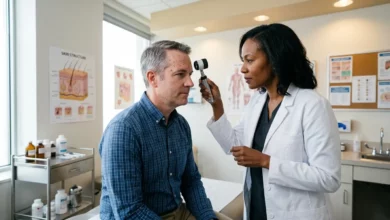
A thorough first consultation will involve a medical history, a discussion of your skincare routine, diet, stress levels, and any medications or supplements you are taking. The dermatologist will examine your skin under bright light, often using a magnifying loupe to distinguish between acne types and identify scarring patterns. They may ask about your menstrual history or check for signs of hyperandrogenism. In some cases, blood tests to measure hormone levels (free testosterone, DHEA-S, LH/FSH) are ordered to rule out endocrine disorders.
Based on this assessment, you will receive a treatment plan that may combine prescription topicals, oral medication, and in-office procedures. The dermatologist will explain how each treatment works, potential side effects, and realistic timelines—often three to six months to see significant improvement. Follow-up appointments are critical to adjust doses and switch medications if needed. You should feel empowered to ask questions about concerns like birth control interaction, future pregnancy planning, or long-term skin maintenance. A good dermatologist will treat not just the acne but the whole person.
Long-Term Prevention and Maintenance
Clearing adult acne is only half the battle; keeping it away requires an adaptable, long-term strategy. As the skin continues to mature, the products and habits that worked at 25 may need adjustment by 30. Maintenance is not about a fixed routine but about a mindset of consistent, mindful care.
Adjusting Skincare as Skin Ages
In the mid-to-late 20s, many acne-prone individuals still battle oiliness, but as the 30s approach, the skin may shift toward combination or even dry. The key is to listen to your skin. If you notice increased tightness or flaking, it may be time to swap a foaming cleanser for a cream-based one and to incorporate richer moisturizers with ceramides and hyaluronic acid, still ensuring they are non-comedogenic. The same active ingredients remain useful, but their frequency may need to decrease. For example, using adapalene three nights a week instead of nightly can maintain clear skin without over-stripping.
At the same time, anti-aging ingredients like peptides and growth factors can be introduced on non-retinoid nights to address early fine lines. The non-negotiable pillars—sunscreen, gentle cleansing, and a hydrating barrier cream—remain constant. Many brands, such as CeraVe and La Roche-Posay, have developed lines specifically for adult acne-prone skin that balance efficacy with tolerance. Annual skin checks with a dermatologist can help you stay ahead of changes and catch any signs of precancerous lesions early, which becomes increasingly important in the 30s and beyond.
Consistency: The Key to Clear Skin in Adulthood
The most common reason adult acne treatments fail is not a lack of effective ingredients but a lack of consistent application. Adult life is messy—travel, late nights, and stress can disrupt even the best routines. The goal is to build a regimen so simple and automatic that it can survive a chaotic week. Products that are pleasant to use, easy to find, and stored visibly (like on a bathroom counter) are more likely to be used faithfully.
Consistency also applies to healthy habits. Regular sleep (7–9 hours), a balanced diet low in refined sugars, and routine exercise all contribute to lower systemic inflammation and more predictable hormone cycles. Keeping a journal of breakouts can help you identify hidden patterns and reinforce the connection between lifestyle and skin. Remember that a single pimple is not a failure; it is a data point. Over time, consistent care builds a resilient skin environment where occasional flare-ups resolve quickly and rarely leave a mark.
Frequently Asked Questions About Adult Acne
Can Birth Control Help or Worsen Acne?
The effect of hormonal contraception on acne depends on the specific type of progestin in the pill. Combined oral contraceptives containing estrogen and a low-androgenicity progestin, such as drospirenone or norgestimate, can significantly reduce sebum production and are FDA-approved for acne treatment. They work by decreasing ovarian androgen synthesis and increasing sex hormone-binding globulin, which reduces the amount of free testosterone available to stimulate sebaceous glands. However, progestin-only methods like the mini-pill, certain IUDs, and the implant may actually trigger or worsen acne because some synthetic progestins have androgenic activity that can stimulate oil glands. If you notice a flare after starting a new contraceptive, consult your gynecologist or dermatologist. Switching to a low-androgenicity pill or adding spironolactone may resolve the issue without sacrificing contraception.
Does Stress Alone Cause Adult Breakouts?
Stress does not directly cause acne in someone who is not predisposed, but it is a powerful exacerbating factor. When you are under chronic stress, the hypothalamus-pituitary-adrenal axis activates, leading to increased cortisol and adrenal androgen secretion. These hormones bind to receptors on sebaceous glands and amplify oil production and inflammation. Additionally, stress impairs the skin barrier’s ability to repair itself, making it more susceptible to irritants and bacteria. Many people also develop stress-related habits—touching the face, picking at blemishes, or eating sugary comfort foods—that compound the problem. Therefore, while stress alone may not be the root cause, managing stress through sleep, exercise, and mindfulness is a clinically relevant part of any adult acne treatment plan.
FAQ
Cystic acne consists of deep, painful, fluid-filled lesions that form when inflammation extends into the deeper layers of the skin. Unlike a surface-level whitehead, a cyst lacks a visible head and feels like a tender lump under the skin. These lesions are more prone to scarring because the intense inflammation can destroy collagen and elastin. Regular pimples, such as papules and pustules, are smaller, closer to the surface, and heal more quickly with minimal scarring. Cystic acne almost always requires prescription treatment—topical retinoids, oral antibiotics, spironolactone, or isotretinoin—and often a dermatologist visit to avoid permanent pitting.
Most topical treatments, including over-the-counter adapalene and prescription retinoids, take a minimum of 8 to 12 weeks to show noticeable improvement. The first four weeks may involve a “purge” where existing microcomedones surface before clearing. Oral medications like spironolactone or combined contraceptives may require three to six months for full effect. Isotretinoin often yields significant clearing within two months, but the full course lasts four to six months to achieve remission. Consistency is critical; stopping treatment early because of initial dryness or a lack of immediate results is the most common reason for failure. Patience and regular follow-up with a dermatologist are essential to fine-tune the regimen and manage expectations.
Related Articles: