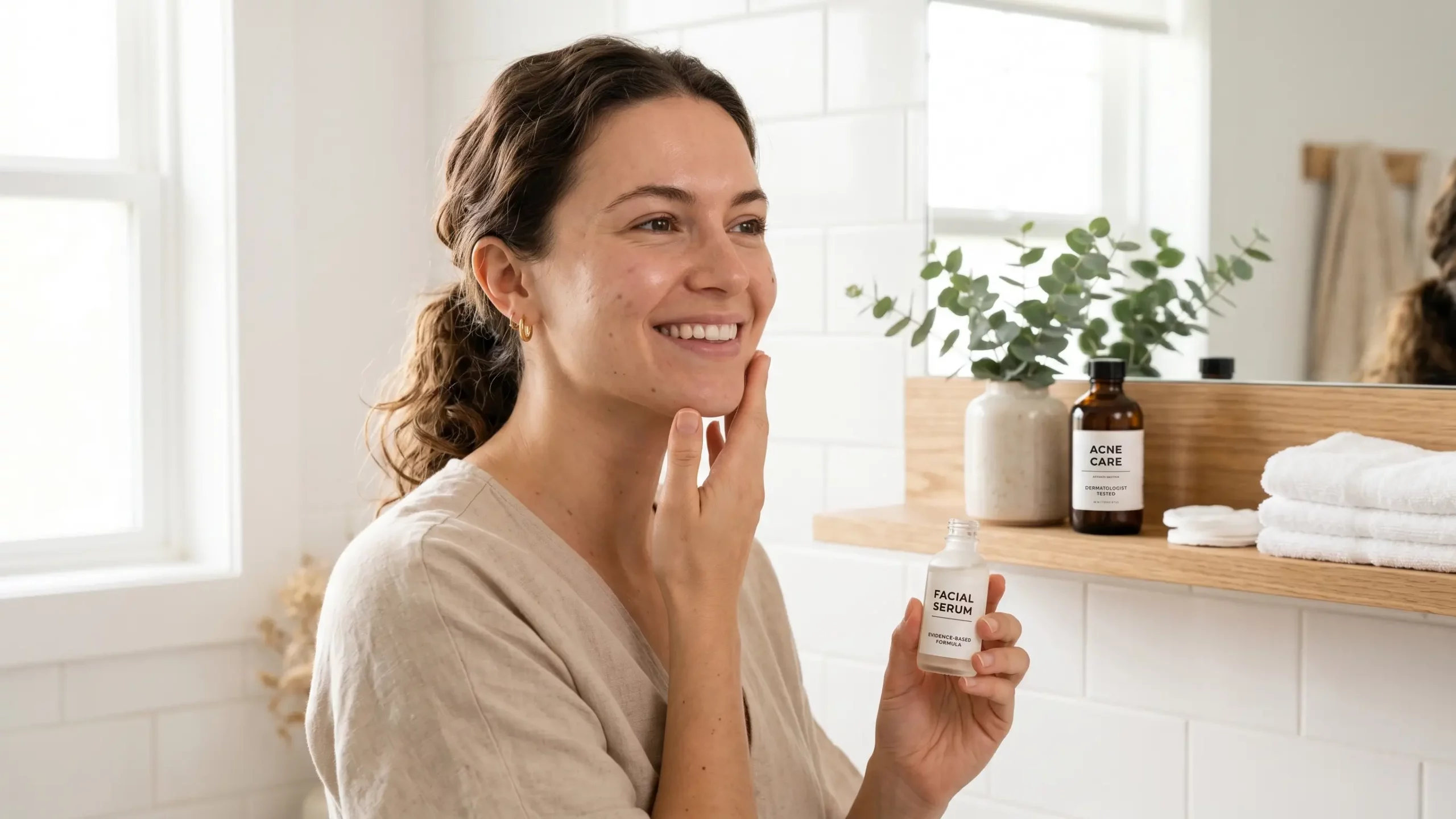
Adult Acne Treatment Guide: Evidence-Based Solutions for Clear Skin
Table of content
- Understanding Adult Acne – How It Differs from Teenage Acne
- Root Causes of Adult Acne – Hormonal, Lifestyle, and Environmental Triggers
- Building an Evidence‑Based Skincare Routine for Adult Acne
- Over‑the‑Counter Treatments – Ingredient Efficacy and Product Guidance
- When to Seek Professional Help – Prescription and In‑Office Options
- Lifestyle Modifications to Support Clear Skin Long‑Term
- Managing Acne Scars and Hyperpigmentation in Adult Skin
- FAQ
Adult acne is not simply a carryover from teenage years. It emerges or persists well into the 20s, 30s, and beyond, often with distinct patterns and triggers. While the frustration of breakouts at an age when wrinkles are expected can feel isolating, data suggests that up to 50% of women in their 20s and 25% in their 40s experience clinical acne, according to the American Academy of Dermatology. Unlike adolescent acne that leans toward oily T-zones, adult acne frequently clusters along the jawline, chin, and lower cheeks, signaling a more complex interplay of hormones, stress, and environmental factors. The good news is that today’s treatment landscape goes far beyond harsh drugstore scrubs. From targeted over-the-counter ingredients to strategic prescription therapies and lifestyle modifications, a sustainable, evidence-based path to clearer skin is within reach. This guide walks through every major cause and evidence-backed solution, providing a structured roadmap to reclaim control over your skin.
| Treatment Category | Key Ingredients | Primary Mechanism | Best For | Precautions |
|---|---|---|---|---|
| OTC Topical | Benzoyl Peroxide 2.5%–5% | Antimicrobial, mild comedolytic | Inflammatory lesions, quick reduction of bacteria | Can bleach fabrics, may cause dryness |
| OTC Topical | Salicylic Acid 0.5%–2% | BHA exfoliant, clears pores | Clogged pores, blackheads, mild non-inflammatory acne | Overuse can disrupt skin barrier |
| OTC Topical | Adapalene 0.1% (Differin) | Retinoid, normalizes cell turnover | Comedonal acne, anti-aging, maintenance | Initial retinization irritation possible |
| Prescription Topical | Tretinoin 0.025%–0.1% | Potent retinoid, comedolytic and anti-inflammatory | Moderate to severe acne, scar prevention | Sun sensitivity, irritation; requires gradual introduction |
| Prescription Oral | Spironolactone | Anti-androgen, reduces sebum | Hormonal jawline acne in women | Monitor potassium, not for pregnancy |
| In-Office Procedure | LED Light Therapy | Anti-inflammatory via photomodulation | Adjunct to reduce redness and inflammation | Multiple sessions often needed |
Understanding Adult Acne – How It Differs from Teenage Acne
Age‑Related Changes in Sebum Production and Hormone Levels
The sebaceous glands, responsible for oil production, don’t operate in a vacuum. They are heavily influenced by androgens like testosterone and dihydrotestosterone (DHT). During teenage years, a surge in these hormones kicks sebum production into high gear, often resulting in widespread oily skin and acne. In adulthood, total androgen levels may be lower, but the sensitivity of sebaceous gland receptors to circulating androgens can increase. Research published in The Journal of Clinical and Aesthetic Dermatology notes that adult females with acne often exhibit normal serum androgen levels yet still suffer from breakouts due to enhanced local conversion of precursor hormones within the skin itself. This explains why many adults have dry or combination skin on their cheeks but still experience oily T-zones and acne outbreaks.
Furthermore, estrogen plays a protective role by counterbalancing androgens and modulating sebum. As women enter perimenopause and estrogen levels decline, the androgen-to-estrogen ratio shifts, often triggering a resurgence of acne in the 40s and 50s. This adult-onset or perimenopausal acne can manifest for the first time even in those who never struggled with teenage acne. Recognizing these physiological shifts is key because treatments that worked at age 16 may not be suitable for skin that is thinner, less oily, and more sensitive to irritation.
A notable phenomenon is the skin barrier dysfunction that accompanies aging skin. Studies have shown that adult acneic skin frequently has higher transepidermal water loss (TEWL), leading to a compromised barrier. This diminished barrier function creates a cycle where irritation from acne products inflames the skin further, worsening both breakouts and sensitivity. Therefore, approaches for adult acne must prioritize barrier repair alongside active treatment, a nuance that sets adult protocols apart from those commonly recommended for teens.
Common Patterns: Jawline, Chin, and Cheek Breakouts in Adults
While teenage acne often appears across the forehead, nose, and cheeks in the classic “T-zone” distribution, adult acne has a predilection for the lower third of the face. The so-called “U-zone” includes the jawline, chin, and anterior neck. This pattern suggests a strong hormonal component, as the hair follicles in these regions are particularly sensitive to androgens. Many women notice a cyclical flare corresponding to the luteal phase of the menstrual cycle, when progesterone rises and can stimulate increased sebum production and follicular inflammation.
It is a misconception, however, that all adult acne locates exclusively to the jaw. Large-scale international studies, including data analyzed by the American Academy of Dermatology, reveal that many adults also present with mixed patterns involving the cheeks and even the forehead. The presence of inflammatory papules and pustules, often accompanied by post-inflammatory hyperpigmentation rather than severe scarring, is typical. Adult skin also tends to form more deeper, blind pimples or nodules in this lower facial zone, which are slower to resolve and more prone to leaving dark marks.
Recognizing these patterns assists with both diagnosis and treatment. Jawline breakouts often prompt evaluation for underlying hormonal imbalances such as polycystic ovary syndrome (PCOS) or late-onset adrenal hyperplasia, especially when accompanied by irregular periods or hirsutism. In the absence of such systemic signs, the localization still guides topical therapy: gentle, non-drying products applied precisely to the affected areas become crucial because adult skin on the upper cheeks and around the eyes may be too sensitive for aggressive drying agents.
Root Causes of Adult Acne – Hormonal, Lifestyle, and Environmental Triggers
Hormonal Fluctuations: Menstrual Cycle, PCOS, and Menopause
Hormonal acne is essentially a signaling problem. During a normal menstrual cycle, estrogen and progesterone levels rise and fall in a predictable rhythm. After ovulation, progesterone peaks, and this surge can increase sebum production and tighten the pore lining, making it easier for dead skin cells to clog follicles. Testosterone and DHT, though present in small amounts, are more stable throughout the cycle, but their relative increase before menstruation can trigger breakouts. According to clinical data reviewed by the American Academy of Family Physicians, up to 70% of women report acne worsening during the premenstrual phase.
Polycystic ovary syndrome is one of the most common endocrine conditions linked to persistent adult acne. In PCOS, the ovaries produce excessive androgens, leading to not only acne but also irregular cycles, weight gain, and hair thinning. The resulting acne is often resistant to conventional topical treatments and may require systemic anti-androgen therapy such as spironolactone or oral contraceptives with anti-androgenic progestins. Diagnosis is based on the Rotterdam criteria, requiring at least two of: oligo-ovulation, clinical or biochemical hyperandrogenism, and polycystic ovaries on ultrasound, as per resource: Endocrine Society.
Menopause introduces a different dynamic. As ovarian estrogen production wanes, androgens become relatively unopposed. This perimenopausal shift can lead to adult-onset acne even in women who had clear skin their entire lives. At the same time, skin collagen decreases and healing slows, emphasizing the need for anti-inflammatory and restorative treatment rather than strong drying agents. Hormone replacement therapy sometimes improves acne by providing estrogen support, but this must be carefully weighed against other health risks.
Stress and Cortisol’s Impact on Sebaceous Glands
Chronic stress does not just impact mental wellbeing; it directly affects skin physiology. The hypothalamic-pituitary-adrenal axis activates under stress, releasing corticotropin-releasing hormone (CRH) and cortisol. The sebaceous gland actually expresses receptors for CRH, and upon activation, it ramps up local androgen metabolism and lipid production. This means that psychological stress can increase sebum output without any change in circulating hormones, as demonstrated in studies reviewed by the National Institutes of Health.
Additionally, stress impairs the skin barrier. Cortisol reduces the synthesis of ceramides and other lipids essential for a healthy stratum corneum, making skin more susceptible to inflammation. This compromised barrier allows irritants and bacteria to penetrate more easily, leading to a vicious cycle where stress-induced acne leads to more stress and picking. Modern lifestyle factors such as sleep deprivation further exacerbate this axis, with documented links between poor sleep quality and increased acne severity, likely mediated by cortisol spikes.
Managing stress is therefore not just a wellness tip; it’s an integral part of an adult acne treatment guide. Techniques that reduce cortisol levels, such as regular moderate exercise, mindfulness meditation, and adequate sleep (7–9 hours per night for most adults), have been shown in several prospective studies to correlate with clinical improvement in acne. The skin’s response to stress reduction can be as significant as the response to a mild topical retinoid when practiced consistently.
Dietary Factors: Glycemic Load, Dairy, and Omega‑6 Fats
The link between diet and acne has moved from folklore to robust evidence over the past two decades. High-glycemic index foods cause rapid spikes in blood glucose, elevating insulin and insulin-like growth factor 1 (IGF-1). IGF-1 stimulates androgen production and sebocyte proliferation, both of which fuel acne. A systematic review in the Journal of the Academy of Nutrition and Dietetics supports that low-glycemic load diets can significantly reduce acne lesion counts by modulating these metabolic pathways. Foods such as white bread, sugary snacks, and sweetened beverages are typical culprits.
Dairy products, particularly skim milk, appear to exacerbate acne for some individuals. The proposed mechanism involves whey protein and casein, which can boost IGF-1 similarly to high-sugar foods. Additionally, milk from pregnant cows contains dihydrotestosterone precursors that may influence human sebaceous glands. While not everyone is dairy-sensitive, an elimination-rechallenge approach can help identify whether dairy is a personal trigger. The American Academy of Dermatology notes that the evidence is strongest for milk and less so for cheese or yogurt, possibly due to differing processing methods.
Omega-6 fatty acids, prevalent in processed vegetable oils, promote a pro-inflammatory state by competing with omega-3 fats. The typical Western diet has a high omega-6 to omega-3 ratio, which can exacerbate inflammation throughout the body, including the skin. Increasing intake of omega-3-rich foods like fatty fish, flaxseeds, and walnuts helps balance this ratio and may reduce inflammatory acne lesions. While dietary changes alone rarely cure severe acne, they are a powerful adjunct to topical and systemic therapies.
Building an Evidence‑Based Skincare Routine for Adult Acne
Step‑by‑Step Morning and Evening Routine Structure
An effective routine for adult acne must balance active treatment with barrier support. A typical morning regimen starts with a gentle, non-foaming cleanser that removes overnight sebum without stripping the skin. After patting dry, apply a lightweight antioxidant serum, such as a vitamin C product, to combat oxidative stress and assist with post-inflammatory hyperpigmentation. Wait a minute, then apply a thin layer of benzoyl peroxide or a topical antibiotic if prescribed to active lesions. Next, a non-comedogenic, oil-free moisturizer with ingredients like ceramides or niacinamide reinforces the barrier. Finish with a broad-spectrum sunscreen of at least SPF 30, as many acne treatments increase photosensitivity.
In the evening, cleansing is crucial to remove sunscreen, makeup, and pollution. A double cleanse—starting with an oil-based or micellar water cleanser followed by a water-based gentle cleanser—is beneficial for adults wearing makeup or heavy sunscreen. After drying thoroughly (not rubbing), apply a pea-sized amount of a retinoid. Beginners should start with adapalene 0.1% or a low-concentration retinol every third night, gradually increasing frequency. Wait 20 minutes for the retinoid to absorb, then apply a richer moisturizer to lock in hydration and minimize flaking. On nights without retinoids, a salicylic acid or azelaic acid product can be used if tolerated.
Consistency over intensity is the guiding principle. Adults often rush to combine multiple actives, leading to a compromised barrier and rebound breakouts. Introduce one new product at a time and observe for at least two weeks. The routine should be adjusted based on seasonal changes, travel, or skin sensitivity. The goal is a resilient skin surface that can tolerate treatments long-term, as adult acne management often requires ongoing maintenance rather than acute short-term fixes.
Choosing Non‑Comedogenic, Barrier‑Supporting Cleansers and Moisturizers
The term “non-comedogenic” means the product is formulated to not clog pores, but it is not a regulated claim. Still, selecting cleansers and moisturizers that are labeled as such, and that contain key ingredients like hyaluronic acid, glycerin, ceramides, and squalane, helps maintain hydration without adding fuel to breakouts. CeraVe’s Hydrating Facial Cleanser and La Roche-Posay’s Toleriane line are examples that many dermatologists recommend because they include ceramides and niacinamide to support barrier repair while removing impurities.
Adult skin, particularly as it ages, has a slower desquamation rate, meaning dead cells can pile up and clog pores. Harsh sulfate-based cleansers strip natural lipids and exacerbate dryness, prompting the skin to produce even more oil as compensation. This rebound oiliness can worsen acne. A gentle, pH-balanced cleanser (around pH 5.5) maintains the skin’s acid mantle, which is critical for antimicrobial defense and barrier integrity. The American Academy of Dermatology recommends washing the face twice daily with fingertips only and avoiding abrasive scrubs.
Moisturizers are not optional, even for oily skin. Oil-free, gel-based formulations containing dimethicone and glycerin hydrate without heaviness. Ingredients like bisabolol and allantoin provide soothing effects to counter retinoid-induced irritation. The key is to apply moisturizer while the skin is still slightly damp to seal in water, and to use a pea-sized amount evenly distributed. Over-moisturizing can feel greasy, but finding the right texture—lotion in summer, cream in winter—makes all the difference for comfort and compliance.
The Role of Gentle Exfoliation (BHA, AHA) Without Over‑Drying
Chemical exfoliants are a mainstay for unclogging pores and promoting cell turnover, but adult skin requires a strategic approach. Beta hydroxy acids (BHAs), such as salicylic acid, are oil-soluble and can penetrate into the pore lining to dissolve keratin plugs and sebum. This makes them ideal for blackheads and inflamed papules on the nose and chin. Alpha hydroxy acids (AHAs) like glycolic and lactic acid work on the skin’s surface to loosen dead cells and improve texture and hyperpigmentation. However, AHAs can increase photosensitivity, so their use is typically reserved for evening.
The danger with adult skin is over-exfoliation. Signs include stinging, persistent redness, and a tight, shiny appearance. Exfoliating more than 2–3 times per week is rarely necessary and often harmful. A low-concentration salicylic acid toner (0.5%) used every other night is a good starting point. As tolerance builds, a 2% formulation can be used on target areas only. Avoid combining with physical scrubs or mechanical brushes on the same day.
Research supports that gentle exfoliation also enhances the penetration of other active ingredients, like retinoids and benzoyl peroxide, making them more effective at lower dosages. However, it is safer to use exfoliants on nights when not using a retinoid, or to apply them in the morning if the skin tolerates it with sunscreen. Listen to the skin: if it feels raw, skip all actives for two nights and focus on moisturizing and barrier repair. An adult acne treatment guide must emphasize that healthy exfoliation supports renewal, not punishment.
Over‑the‑Counter Treatments – Ingredient Efficacy and Product Guidance
Benzoyl Peroxide: Concentration Ranges and Sensitization Risks
Benzoyl peroxide (BP) is a fast-acting antimicrobial agent that kills Cutibacterium acnes by releasing oxygen and disrupting the bacterial cell wall. It also has mild comedolytic and anti-inflammatory properties. Studies published in The Journal of the American Academy of Dermatology show that 2.5% BP is as effective as 10% formulations in reducing inflammatory lesions, but with significantly less irritation. For adult skin, starting with 2.5% and leaving it on only for a short contact duration—washing off after 5–10 minutes—can achieve antibacterial effects while minimizing dryness.
One of BP’s unique advantages is that it does not induce bacterial resistance, making it an excellent partner for topical antibiotics. In fact, combination products like adapalene 0.1%/benzoyl peroxide 2.5% gel (Epiduo) target multiple pathogenic factors and are recommended by the American Academy of Dermatology as first-line therapy for mild to moderate acne. However, BP can bleach clothing, towels, and pillowcases, so allow it to dry completely before dressing and use white linens.
Sensitization is the primary risk, especially in adults with a compromised barrier or those using retinoids. Signs include redness, burning, and peeling beyond mild flaking. To mitigate, apply a thin layer only to breakout areas, not all over, and always follow with moisturizer. If irritation persists, reduce usage to every other day or consider a wash-off formulation. Despite its potential for irritation, BP remains a cornerstone because rapid lesion clearance can prevent post-inflammatory hyperpigmentation.
Salicylic Acid vs. Azelaic Acid for Inflamed and Clogged Pores
Salicylic acid is the gold standard BHA for treating comedonal acne. Its lipophilic nature allows it to concentrate inside the pore, dissolving the intercellular glue that holds dead cells together. A concentration of 0.5%–2% is available OTC. For adults with oily T-zones and visible blackheads, a salicylic acid cleanser or toner used once daily can dramatically smooth skin texture. However, it offers limited antibacterial action against inflammatory lesions.
Azelaic acid, on the other hand, is a multitasker. Naturally produced by Malassezia furfur, it inhibits the growth of C. acnes, reduces keratin production, and normalizes the shedding of follicular cells. A key benefit for adult skin is its ability to lighten post-inflammatory hyperpigmentation by inhibiting tyrosinase in hyperactive melanocytes. According to a multicenter study referenced by the National Center for Biotechnology Information, azelaic acid 15% gel significantly improves dyspigmentation and is safe for long-term use. It is also pregnancy category B, making it a go-to for women planning to conceive.
Choosing between the two depends on the primary lesion type. For predominantly clogged pores and mild blackheads, salicylic acid offers quicker pore-clearing. For inflammatory acne with red bumps and post-acne marks, azelaic acid addresses both the inflammation and the discoloration. Many dermatologists advise using azelaic acid in the morning and salicylic acid at night on alternating days, provided the skin tolerates it. Both can be used in combination with other therapies, but start with one to assess response.
Retinoids (Adapalene, Retinol) – How to Introduce and Avoid Irritation
Retinoids are the mainstay for comedonal acne, anti-aging, and maintenance because they normalize desquamation and prevent microcomedone formation. Adapalene 0.1%, now available OTC as Differin, is a synthetic retinoid that uniquely binds to retinoic acid receptors with selectivity, offering efficacy similar to tretinoin but with better tolerability. Clinical trials show that adapalene reduces both inflammatory and non-inflammatory lesions significantly over 12 weeks, and it continues to improve skin texture beyond 24 weeks.
Retinol, found in many cosmetic serums, is a weaker precursor that must be converted by skin enzymes to retinoic acid. The conversion is rate-limited, so retinol is generally less irritating but also less potent. For adults new to retinoids, starting with a low-strength retinol ester (0.3%) every third night and gradually increasing to nightly use over 6–8 weeks helps avoid the “retinization” period of redness, peeling, and purging. To minimize irritation, apply after moisturizer (the “sandwich” technique) and never combine with other exfoliants in the same session.
A common concern is the initial purging phase, which can last 4–6 weeks. This temporary increase in breakouts occurs because retinoids accelerate cell turnover, bringing pre-existing microcomedones to the surface faster. It is crucial to stick with the treatment unless severe irritation develops. Using a gentle cleanser, a barrier-repair moisturizer, and sunscreen religiously will help the skin adjust. If purging lasts beyond 8 weeks, a clinician should evaluate for irritation rather than true purging.
When to Seek Professional Help – Prescription and In‑Office Options
Oral Medications: Spironolactone, Oral Antibiotics, and Isotretinoin
When OTC and topical prescription therapies fail, oral medications become necessary. Spironolactone is an anti-androgen that blocks androgen receptors and inhibits ovarian androgen production. It is particularly effective for adult women with hormonal, jawline-pattern acne. Starting doses of 50–100 mg daily can reduce sebum production and inflammatory lesions over 3–6 months. Monitoring of potassium levels is recommended, though in healthy young women without renal impairment, clinically significant hyperkalemia is rare, as reported in JAMA Dermatology. Side effects like breast tenderness and menstrual irregularities are dose-dependent and often resolve with adjustment.
Oral antibiotics, primarily tetracyclines like doxycycline and minocycline, are prescribed for moderate to severe inflammatory acne that can’t be controlled topically. They work by reducing C. acnes populations and, importantly, through direct anti-inflammatory actions. The American Academy of Dermatology guidelines stress that systemic antibiotics should always be combined with topical benzoyl peroxide to prevent resistance, and the course should be limited to 3–4 months whenever possible. After antibiotics are stopped, maintenance with a topical retinoid is essential to prevent relapse.
Isotretinoin, a potent oral retinoid, is reserved for severe nodulocystic acne or cases recalcitrant to other treatments. It dramatically shrinks sebaceous glands and normalizes follicular keratinization, often leading to prolonged remission. However, it carries significant risks, including severe teratogenicity, which mandates participation in the iPLEDGE program in the U.S. and strict contraception for women of childbearing potential. Mucocutaneous dryness, lipid abnormalities, and potential mood changes require close monitoring. Low-dose protocols (0.3–0.5 mg/kg/day) are increasingly used for moderate, persistent adult acne, offering a more tolerable side effect profile.
Topical Prescriptions: Tretinoin, Clindamycin, and Dapsone
Tretinoin remains one of the most powerful topical prescription retinoids. It is available in multiple concentrations (0.025%–0.1%) and formulations (cream, gel, microsphere). For adult acne, tretinoin 0.025% cream often provides an optimal balance between efficacy and tolerability. It normalizes desquamation and also has anti-aging benefits, making it appealing for adults managing both acne and fine lines. The key to success is gradual introduction and consistent use with moisturizer and sunscreen.
Clindamycin is a topical antibiotic that reduces inflammation and controls C. acnes overgrowth. However, due to rising resistance—up to 40% in some population studies—it should never be used as monotherapy. Fixed combinations with benzoyl peroxide (e.g., clindamycin-BP gel) enhance efficacy and prevent resistance development. Such combinations are recommended in the American Academy of Dermatology treatment algorithm for moderate acne. They are often applied once daily in the morning, while a retinoid is used at night.
Dapsone 5% gel is another option that targets inflammation rather than bacteria directly. It is particularly useful for adult females with inflammatory papules and post-inflammatory erythema, as it reduces neutrophil recruitment and oxidative stress. Clinical trials have shown good efficacy and high tolerability in skin of color, which is prone to hyperpigmentation. Dapsone can be used in combination with other topicals and is safe for long-term maintenance.
In‑Office Procedures: Chemical Peels, Laser Therapy, and Extraction
Superficial chemical peels using salicylic acid, glycolic acid, or Jessner’s solution are performed by dermatologists to rapidly unclog pores, reduce inflammation, and improve skin texture. For adult acne with comedonal lesions and mild scarring, a series of 4–6 peels at 2–3 week intervals can accelerate clearance and improve treatment response. Salicylic acid peels, in particular, have demonstrated sebum-reducing effects, as measured by sebummetry.
Laser and light-based therapies have variable evidence. Blue and red LED light phototherapy has been shown in some controlled studies to reduce inflammatory lesions by activating porphyrins in C. acnes, leading to bacterial destruction, and by exerting anti-inflammatory effects. These treatments are typically used as adjuncts for patients who cannot tolerate systemic medications. More recently, fractional lasers like the 1540-nm erbium-glass laser have shown promise in treating active acne and scarring simultaneously, though high-quality randomized trials are limited.
Professional extractions are a manual procedure where a clinician uses a comedone extractor to clear open comedones (blackheads) and some closed comedones. When performed correctly, it can immediately reduce clogs and improve penetration of topical treatments. However, improper extraction can lead to scarring, so it should only be done by a trained professional. Extractions are often combined with light peels for optimal results in adults with stubborn non-inflammatory acne.
Lifestyle Modifications to Support Clear Skin Long‑Term
Stress Management Techniques (Sleep, Meditation, Exercise)
Because stress directly influences acne via cortisol and neuropeptide pathways, incorporating stress management is a non-negotiable component of long-term clearance. Sleep deprivation increases evening cortisol levels, so aiming for 7–9 hours of consistent sleep helps regulate the hypothalamic-pituitary-adrenal axis. A 2016 study in Sleep found that individuals with subjective poor sleep quality had a higher prevalence of acne, independent of other factors. A wind-down routine with reduced screen time before bed can improve sleep quality.
Meditation and mindfulness-based stress reduction have been studied for their effects on skin conditions. A small randomized trial among women with acne undergoing mindfulness training showed not only reduced psychological distress but also objective improvement in lesion counts over 8 weeks, potentially mediated by lowered salivary cortisol. Even 10 minutes of daily deep-breathing exercises can shift the autonomic balance toward parasympathetic dominance, reducing systemic inflammation.
Regular moderate exercise improves blood flow to the skin, aids detoxification through sweating, and reduces stress hormones. However, post-workout hygiene is crucial: sweat left on skin can mix with bacteria and oils, clogging pores. Showering immediately, using a gentle cleanser, and wearing moisture-wicking clothing can prevent exercise-induced acne. Over-exercising without proper recovery can, however, elevate cortisol, so balance is key.
Dietary Adjustments – Low‑Glycemic Meal Ideas and Supplement Considerations
Adopting a low-glycemic eating pattern doesn’t require extreme restriction. Replace refined white bread with 100% whole grain options, choose quinoa or barley over white rice, and swap sugary breakfast cereals for oatmeal with nuts and berries. Pairing carbohydrates with protein and healthy fats further blunts insulin spikes. For example, an apple with almond butter or a spinach salad with grilled chicken and avocado offers a much lower glycemic load than a plain bagel.
Dairy elimination should be individualized. A 4-week trial of cutting out all milk, yogurt, and cheese can reveal if dairy is a trigger for you. If acne improves, slowly reintroduce fermented dairy like Greek yogurt, which may be less problematic due to lower whey content. Note that whey protein powders, popular among fitness enthusiasts, have been linked to acne flare-ups in several case series, probably due to their amino acid profile’s effect on IGF-1. Plant-based protein powders like pea or hemp are suitable alternatives.
Supplements that show promise in acne management include zinc (especially for deficiency), vitamin D, and omega-3 fatty acids. Zinc gluconate at 30 mg daily reduced inflammatory lesions in a double-blind study. However, high-dose zinc can cause nausea and copper deficiency, so medical guidance is advised. Probiotics are an emerging area, with some evidence that they improve gut barrier function and reduce systemic inflammation, potentially benefiting acne. Still, the exact strains and dosages require more research before firm recommendations can be made.
Hygiene and Cosmetics: Pillowcases, Face Masks, and Non‑Comedogenic Makeup
It is easy to overlook environmental factors that contribute to acne. Pillowcases accumulate sebum, dead skin cells, and bacteria night after night. Switching to a clean pillowcase every 2–3 nights—or flipping the case—can reduce contact with microbes that trigger inflammation. Using a silk or satin pillowcase may also reduce friction and moisture loss, benefiting barrier health.
The COVID-19 pandemic introduced “maskne” (acne mechanica caused by prolonged mask wearing). The American Academy of Dermatology advises choosing a soft, breathable, well-fitting mask and washing reusable cloth masks after each use. Apply a barrier cream to the mask area before wearing it to reduce friction and keep the skin hydrated. Taking 15-minute breaks from the mask every 4 hours in a safe, private environment also helps.
Makeup should not be the enemy of clear skin. Opt for non-comedogenic, oil-free, and fragrance-free formulations. Mineral foundations containing silica and zinc oxide can actually provide mild oil-absorbing and sun-protective benefits. Always remove makeup thoroughly at the end of the day with a double-cleanse method, and disinfect makeup brushes weekly with a gentle cleanser or brush-specific soap.
Managing Acne Scars and Hyperpigmentation in Adult Skin
Distinguishing Atrophic Scars vs. Post‑Inflammatory Erythema/Hyperpigmentation
After a breakout resolves, the skin may be left with a mark. It is crucial to distinguish flat red or brown spots from true scars. Post-inflammatory erythema (PIE) is persistent redness caused by dilated capillaries and is more common in lighter skin tones. Post-inflammatory hyperpigmentation (PIH) results from excess melanin deposition and is prevalent in darker skin. Both are transient, lasting weeks to months, and respond to topical brightening agents and strict sun protection. True atrophic scars, on the other hand, involve a loss of collagen and present as depressions in the skin (ice pick, boxcar, or rolling scars).
Atrophic scars require a different approach, typically involving procedures that stimulate collagen remodeling. Microdermabrasion or mild chemical peels can improve superficial texture, but moderate to deep scars need microneedling, fractional laser resurfacing, or subcision. The National Institutes of Health notes that a combination approach—such as subcision followed by fractional CO2 laser—often yields the best results for rolling scars. Consulting a board-certified dermatologist for an accurate evaluation is essential before embarking on at-home treatments.
For PIH, products containing niacinamide, vitamin C, azelaic acid, and retinoids can lighten brown marks over time. Hydroquinone remains a gold-standard depigmenting agent but should only be used under supervision due to risks of ochronosis with prolonged use. Kojic acid and tranexamic acid are gentle alternatives. The critical step is daily broad-spectrum sunscreen (SPF 50) because UV exposure darkens PIH and slows fading.
Targeted Topical Ingredients (Vitamin C, Niacinamide, Hydroquinone)
Vitamin C (L-ascorbic acid) is a potent antioxidant that inhibits tyrosinase, thus reducing melanin production. It also promotes collagen synthesis, making it beneficial for both active acne scarring and prevention. A stable formulation at 10–20% concentration in an airtight, opaque container is best, as vitamin C degrades with light and air. Applied in the morning before sunscreen, it provides additional photoprotection and brightening.
Niacinamide (vitamin B3) at 4–5% concentrations is a versatile ingredient that reduces inflammation, sebum production, and the transfer of melanin to keratinocytes. This last action helps fade brown spots without irritation. It also strengthens the skin barrier by increasing ceramide synthesis, making it ideal for adult skin. Niacinamide can be layered with other actives and is well-tolerated, even on sensitive skin.
Hydroquinone is the most effective topical for stubborn hyperpigmentation but must be used cautiously. Concentrations of 2% are available OTC, while 4% and higher are prescription-only. It works by blocking the enzyme tyrosinase. Short-term cyclical use (4–6 weeks on, then off) is recommended to avoid paradoxical hyperpigmentation (exogenous ochronosis). Pairing hydroquinone with a retinoid at night and a vitamin C serum in the morning can accelerate results. Always use sun protection diligently during treatment.
Professional Resurfacing Treatments (Microneedling, Fractional Lasers)
Microneedling uses fine sterile needles to create micro-injuries in the dermis, triggering the wound-healing cascade and new collagen formation. It is effective for atrophic scars and also improves skin texture and mild laxity. For adult acne scarring, a series of 4–6 treatments at 4–6 week intervals, often with topical platelet-rich plasma application, yields significant improvement. Microneedling is safe for most skin tones and has minimal downtime.
Fractional lasers (both ablative and non-ablative) create columns of thermal damage surrounded by untreated skin, leading to rapid healing and collagen remodeling. The 1540-nm and 1550-nm non-ablative fractional lasers are well-studied for acne scars and active acne alike. Ablative fractional CO2 lasers are more aggressive but deliver dramatic results in a single session for deep scars; however, downtime and risk of PIH are higher, especially in darker skin types. These procedures should be performed by a qualified dermatologist or plastic surgeon.
Combining procedures, such as subcision plus microneedling plus a topical retinoid maintenance regimen, addresses scars at multiple depths. Realistic expectations are important: most patients achieve 50–70% improvement after a full treatment series. Maintenance with topical retinoids and sun protection preserves results and prevents new atrophic scars from future breakouts. The best time to start scar treatments is when acne is well-controlled, as continued new lesions can undermine progress.
FAQ
Oral contraceptives that combine estrogen and a progestin with anti-androgenic properties (such as drospirenone, norgestimate, or cyproterone acetate) can significantly improve hormonal adult acne by reducing ovarian androgen production and increasing sex hormone-binding globulin, which lowers free testosterone. However, they do not “cure” acne because the underlying genetic predisposition remains. Improvements are typically seen after 3–6 months, with a 40–70% reduction in lesions, according to clinical trials reviewed by the American College of Obstetricians and Gynecologists. When the pill is stopped, acne may recur. These medications are best suited for women who also need contraception and have no contraindications such as a history of blood clots, migraines with aura, or smoking over age 35.
Prescription topical therapies like tretinoin and adapalene typically show initial benefits at 4–6 weeks, with peak effects at 12 weeks. Some purging or mild peeling during the first month is normal and should not be confused with treatment failure. Oral antibiotics often produce noticeable reduction in inflammation within 6–8 weeks, but they should be limited to the shortest effective course (3–4 months) to prevent resistance. Spironolactone can take 3 months to begin reducing sebum and 6 months for full effect. Isotretinoin may show a rapid response, but a full course of 5–6 months is standard to achieve durable remission. Consistency is paramount; stopping early due to mild irritation or impatience is the most common reason treatments fail.
Combining multiple active ingredients requires caution. Generally, it is safe to use benzoyl peroxide or a gentle salicylic acid cleanser in the morning while applying a retinoid at night, provided the skin is not overly irritated. In fact, benzoyl peroxide plus retinoid combination products (like adapalene-BP) are designed for simultaneous use. However, layering a salicylic acid toner and a retinoid at the same time of day increases the risk of peeling and barrier damage. A simple rule: exfoliate in the morning, retinoid at night, and always use moisturizer and sunscreen. If redness or stinging occurs, scale back to using the retinoid alone every other night and reintroduce other actives only when tolerance builds. Consulting a dermatologist for a personalized regimen is wise, especially when using prescription-strength tretinoin.