Weekend Sleep “Jet Lag”: How to Fix Your Schedule Without Ruining Your Social Life
Table of contents
The Monday Morning Fog: Understanding Social Jet Lag
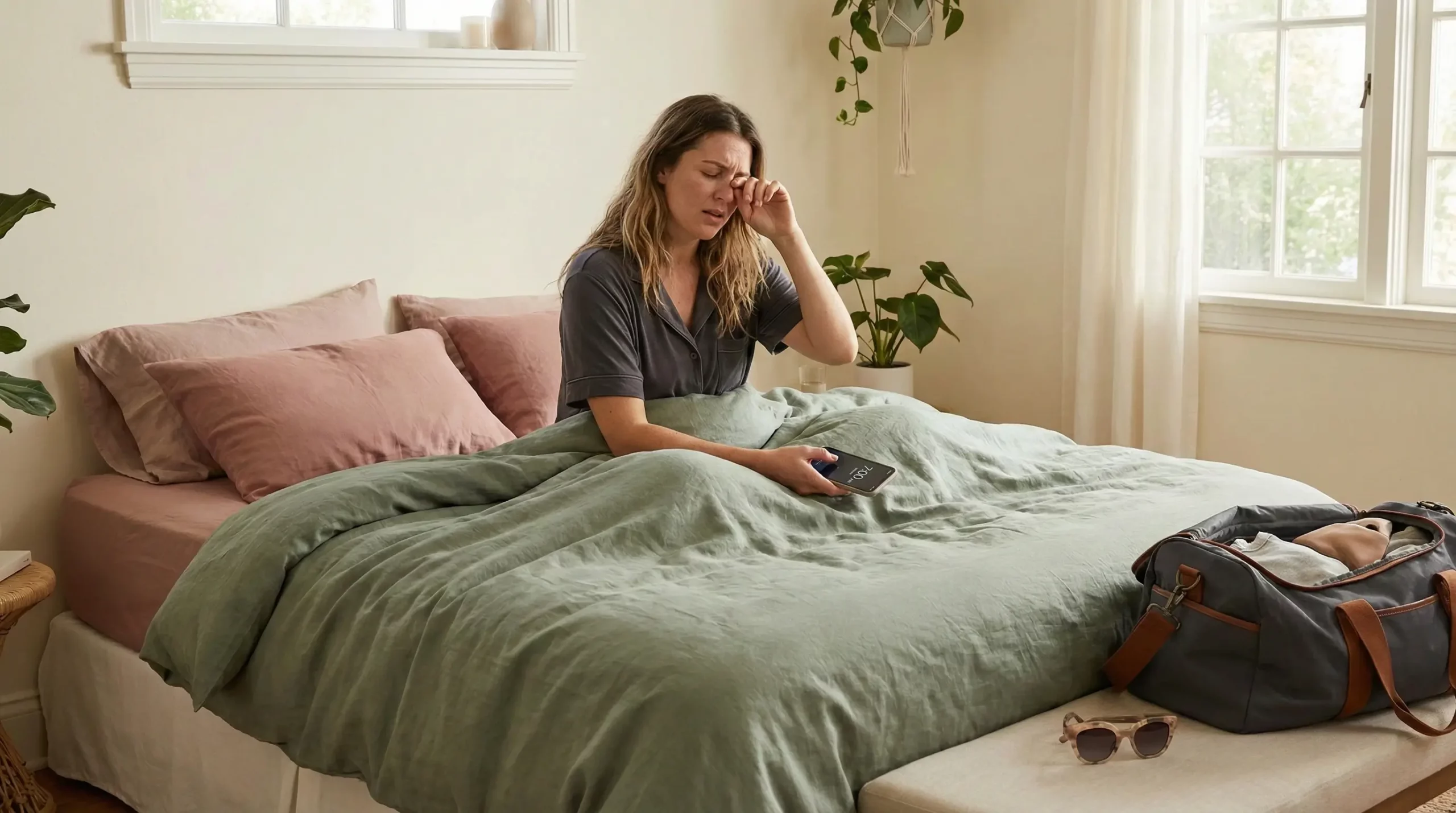
Many women live by a strict Night Routine during the workweek, only to completely abandon it on Friday and Saturday nights [cite: 2025-11-26]. While sleeping in on Sunday feels like a luxury, it creates a biological phenomenon known as Social Jet Lag. This is the discrepancy between your body’s internal biological clock and the schedule imposed by your social life.
When you shift your sleep and wake times by more than two hours on the weekend, you essentially force your brain to travel across multiple time zones every Monday morning. This constant shifting prevents you from reaching the consistent Deep Sleep necessary for high-level cognitive function and physical repair. Understanding Better Sleep 101 is the first step in realizing that your body craves rhythm over quantity.

Consistent Sleep vs. Social Jet Lag: The Biological Cost
To understand why your “weekend recovery” might be making you more tired, look at how your hormones react to an inconsistent schedule.
| Feature | Consistent Sleep Schedule | Social Jet Lag (Weekend Shifts) |
| Melatonin Release | Predictable; starts early evening. | Delayed; “shifted” later into the night. |
| Cortisol Balance | High in the morning for energy. | Spike is delayed, causing “morning fog.” |
| Metabolic Health | Stable blood sugar regulation. | Increased risk of insulin resistance. |
| Skin Appearance | Bright, rested, and resilient. | Prone to puffiness and Dullness. |
| Emotional State | Stable and focused. | Irritable and prone to “Sunday Scaries.” |
Why Your Skin Hates Your Late-Night Saturdays
The impact of social jet lag isn’t just internal; it manifests directly on your face. During the first half of the night, your body focuses on neutralizing free radicals and repairing the Skin Barrier. When you push your bedtime to 2:00 AM, you significantly shorten the window available for this critical Cellular Repair.
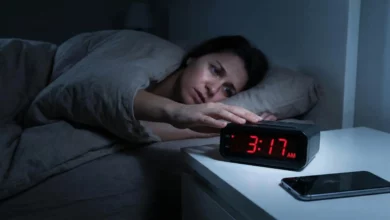
Furthermore, erratic sleep schedules are linked to higher levels of systemic inflammation. This can trigger Waking Up at 3 a.m.: 5 Common Causes and the “First 10 Minutes” Rescue Plan on Sunday nights as your body struggles to find its rhythm again. For women over 30, this lack of consistency is a primary driver of premature aging, as it interrupts the production of growth hormones responsible for skin elasticity.
The 3-Step Strategy for a Balanced Weekend
You do not have to sacrifice your social life to save your sleep. The goal is to minimize the “shift” so your body stays anchored.

- The 2-Hour Rule: Try to keep your weekend wake-up time within two hours of your weekday alarm. If you usually wake up at 7:00 AM, try not to sleep past 9:00 AM on Sunday. This keeps your Circadian Rhythm from drifting too far off course.
- Morning Sunlight Anchors: Within 30 minutes of waking up on Saturday and Sunday, seek out bright, natural light. This signals to your brain that the day has begun and helps “reset” your internal clock, making it easier to fall asleep on Sunday night.
- Strategic “Power Naps”: If you had a late night, a 20-minute nap in the early afternoon (before 3:00 PM) is far more restorative than sleeping in for three extra hours in the morning.
According to a study published in the journal Nature Communications, even small amounts of social jet lag are associated with increased body mass index and poorer metabolic health.
Expert Insight
“Social jet lag is a relatively new phenomenon in human history. We are the only species that deliberately ignores our biological clocks to satisfy social demands. This chronic misalignment is a primary driver of what we call ‘Monday Morning Blues,’ which is actually a physiological state of jet lag.”
— Dr. Till Roenneberg, Professor of Chronobiology at the Institute of Medical Psychology at LMU Munich and author of Internal Time.
Conclusion: Rhythm is the Ultimate Beauty Secret
Title Separator Site title
Your body performs best when it can predict what is coming next. By anchoring your weekend schedule and using the 2-hour rule, you can enjoy your social life without paying the price in Mental Health and skin vitality. Real recovery doesn’t happen in a single Sunday “marathon” sleep; it happens in the consistent rhythm of your daily life.
Do you struggle with the “Monday Morning Fog”? What is your biggest challenge when trying to keep a consistent schedule on the weekends? Share your memories and tips in the comments below!
If you’ve found the perfect balance between late nights and early mornings, show us your “Weekend Anchor” routine using #sylvaia_com on social media!