Biocompatible Skincare: The Science Behind Drunk Elephant’s Philosophy
Table of contents
Nina, 34, wanted to “clean up” her routine. She threw away her lab-made serums and replaced them with “100% Natural” essential oils. She started slathering her face in lavender and lemon oil, thinking, “If it comes from the earth, it must be safe.”
Within a week, her face was a disaster. It was red, sensitized, and itchy.
Nina learned the hard way that poison ivy is natural, but you wouldn’t put it on your face. “Natural” does not mean safe.
Nina isn’t the only one who learned that potent plant extracts can backfire. Many users assume that because an oil is “natural,” it can be applied generously, often leading to chemical burns. We compared a harsh natural remedy against a soothing modern alternative in our case study: CBD vs. Tea Tree Oil: Which One Actually Stops Hormonal Redness?
She decided to pivot to a brand that uses a different, more specific buzzword: Drunk Elephant and their philosophy of “Biocompatible” skincare. But is this just marketing fluff, or is there actual science behind it?
Decoding the Label: What Does “Biocompatible” Mean?
While “Clean Beauty” is a vague, unregulated marketing term, Biocompatibility is a scientific principle.
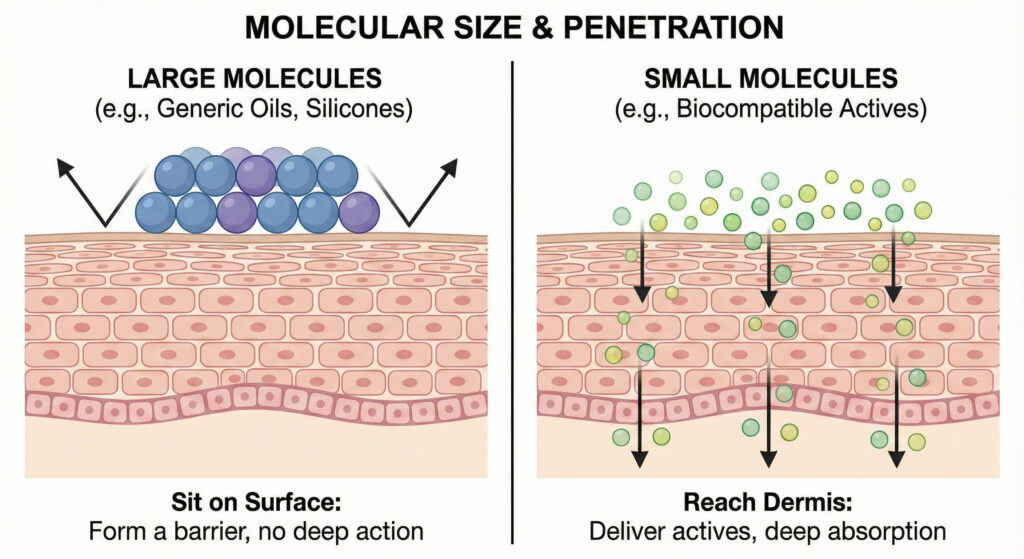
It doesn’t care if an ingredient is grown in a field or made in a lab. It cares about two things:
- Molecular Size: Is the molecule small enough to actually penetrate the skin, or does it just sit on top?
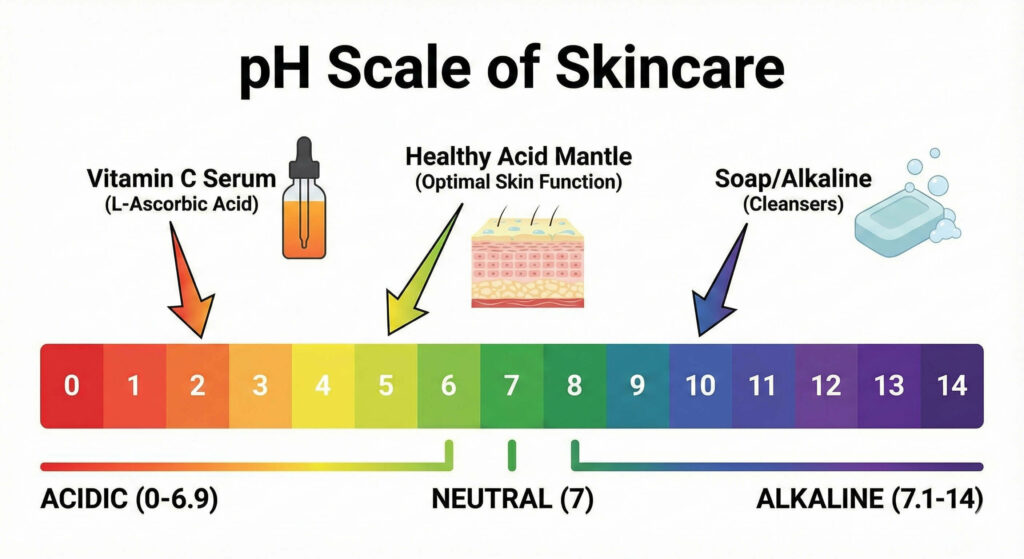
- pH Level: Does the product respect the skin’s natural acidity (the Acid Mantle)?
According to the National Eczema Association, maintaining the skin’s acidic pH (around 5.5) is critical for barrier function. If a “natural” soap has a high pH (alkaline), it strips the acid mantle, leaving the skin vulnerable to bacteria and irritation regardless of its organic status.
Comparison: “Clean Beauty” vs. “Biocompatible”
Nina realized that her “Clean” oils were actually irritating her skin because they were volatile allergens. Here is how the two philosophies differ:
| Feature | Typical “Clean/Natural” Beauty | Drunk Elephant’s “Biocompatible” |
| Primary Focus | Source of ingredient (Plants vs. Lab). | Behavior of ingredient (Does skin recognize it?). |
| Common Irritants | High (Essential oils like Lemon/Mint). | Low (Clinical actives only). |
| pH Standard | Often ignored (Soap can be pH 9). | Strictly balanced (pH 3.5 – 6.5). |
| Synthetics? | Demonized/Avoided. | Embraced (if they are bio-identical). |
The “Suspicious 6” Test
Drunk Elephant is famous for eliminating what they call the “Suspicious 6”: Essential Oils, Silicones, Drying Alcohols, SLS, Chemical Screens, and Fragrance.
This exclusion of essential oils is perhaps the most controversial part of their philosophy. While they smell spa-like, these oils contain volatile compounds that are frequent triggers for dermatitis. We explore the risks of these fragrant additions in our deep dive: Is Using Essential Oils in Your Skincare Products a Good Idea?
This isn’t just about safety; it’s about absorption.
Silicones, for example, create a seal on top of the skin. By removing them, Drunk Elephant claims their products are “bio-available,” meaning they can be mixed together in your hand (like a smoothie) and everything will absorb instantly.
The pH Test (We Checked the Numbers)
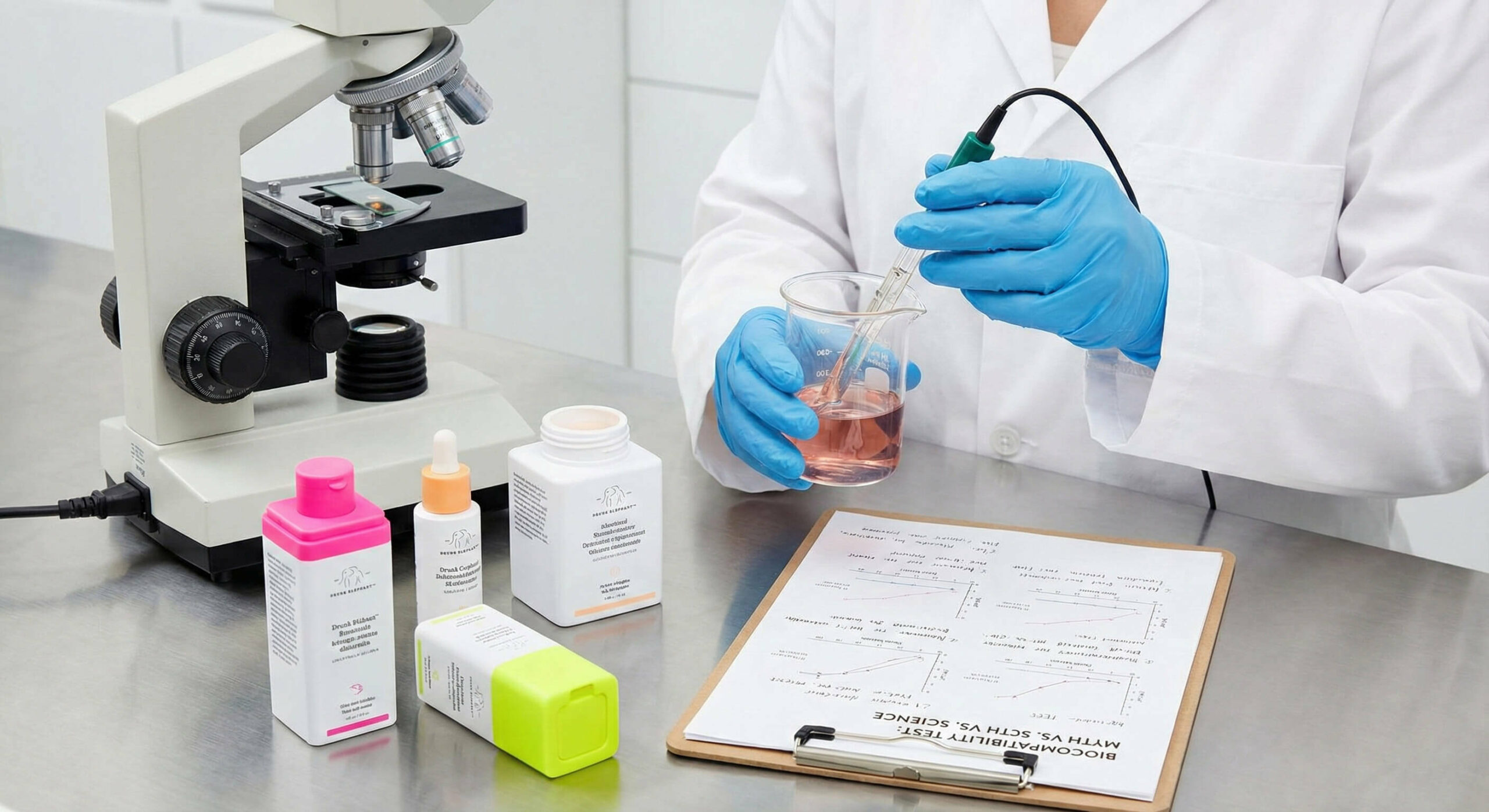
We tested the theory on two of their most popular products using pH strips.
- C-Firma Fresh Day Serum (Vitamin C): Tested at pH 2.5 – 3.0.
- Verdict: This is low (acidic), but necessary. Vitamin C (L-Ascorbic Acid) only penetrates the skin at a pH below 3.5. It is harsh, but scientifically accurate.
- Protini Polypeptide Cream: Tested at pH 4.0.
- Verdict: Perfect. This sits right in the “sweet spot” of the skin’s natural acidity, supporting the barrier while delivering peptides.
The Result
Nina’s redness didn’t vanish because she went “natural.” It vanished because she stopped fighting her skin’s biology. She switched to synthetics that were chemically designed to fit into her skin’s receptors like a key in a lock.
Do you avoid silicones?
Some people love the “slip” of silicone, while others find it clogging. What is your stance on the “Suspicious 6”? Tell us below!
Related article: