Makeup Sponge
The makeup sponge, particularly the iconic egg-shaped blender, has become an indispensable tool for achieving a seamless, airbrushed finish. Made from hydrophilic (water-loving) foam, its genius lies in its ability to apply and blend liquid and cream products without leaving behind streaks or absorbing too much product.
The key to unlocking a makeup sponge’s magic is to use it damp. When you saturate the sponge with water and squeeze out the excess, it swells in size and becomes incredibly soft. This ensures that your foundation, concealer, or cream blush is pressed and bounced into the skin, rather than being painted on top of it. The result is a natural, second-skin finish that looks flawlessly integrated.
To keep your sponge effective and hygienic, regular cleaning is non-negotiable. Wash it with a gentle soap or a dedicated cleanser after every few uses to prevent product buildup and the growth of bacteria, which can lead to breakouts. A clean sponge not only protects your skin but also guarantees the smoothest application every time.
-
Flawless Base
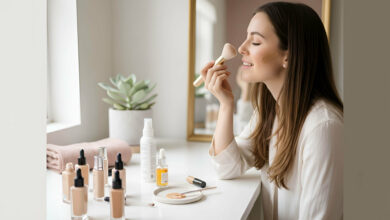
Glass Skin Makeup: How to Mix Face Oil with Foundation for a Dewy Finish
Table of contentsThe Makeup Artist’s Secret to an Instant “Glass Skin” FinishThe Science: How the “Foundation Cocktail” Transforms Your BaseIt Sheers Out Pigment for a More Natural LookIt Boosts Emollience and GlideIt Creates a Luminous, Light-Reflecting FinishThe Method: Your Step-by-Step Guide to a Perfect Dewy…
-
Makeup for Mature Skin
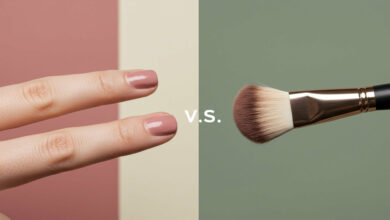
Fingers vs. Brush: The Best Way to Apply Foundation on Mature Skin
Table of contentsThe Most Important Decision After Choosing Your FoundationThe Case for FINGERS: The “Second Skin” MeltThe Philosophy & The Main Advantage: WarmthThe Pros for Mature SkinThe ConsThe Case for a BRUSH: The “Airbrushed” PolishThe Philosophy & The Main Advantage: FinishThe Pros for Mature SkinThe…