Seasonal Hair Loss

Summer Damage, Autumn Fallout: The Hidden Reason Hair Looks Thinner

The “Sun-Kissed” Price Tag: Why Autumn is the Season of Shedding

Chloe, a 34-year-old marketing manager, spent her July weekends by the pool, loving how the sun gave her hair natural highlights. But by late October, her excitement turned to dread. Every time she brushed her hair, the bristles came away with thick clumps of strands. “I thought I was going bald,” she shared.

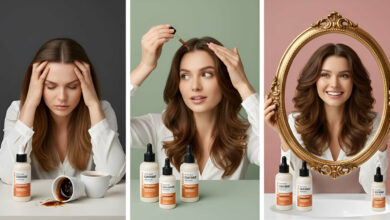
Chloe noticing hair texture changes and thinning after summer damage

What Chloe experienced wasn’t random—it was the biological “bill” coming due for her summer fun. There is a specific 90-day lag between environmental stress and physical fallout. The hair you are losing today is often a direct result of the UV and thermal shock your scalp endured three months ago. Understanding this “hidden reason” is the first step to stopping the shed.


The Two-Pronged Attack: Surface Damage vs. Follicular Stress

Summer attacks your hair in two distinct ways. First, on the surface level, UV radiation acts like a biological bleach, degrading the Keratin (protein) structure of the hair shaft. This makes the hair brittle and prone to breakage.

Second, on the follicular level, extreme heat and prolonged UV exposure can “shock” the hair roots. This stress forces a higher-than-normal percentage of hairs to move from the active growth phase (Anagen) into the resting phase (Telogen). Once in the resting phase, the hair is destined to fall out a few months later.

To determine if your current shedding is simply a delayed reaction to UV stress or something that requires medical attention, you need a systematic way to evaluate your symptoms. Running through a 10-question seasonal hair loss checklist can help you differentiate between a temporary summer “bill” and a more chronic thinning issue.


Summer Damage vs. Healthy Maintenance

Use this table to identify if your autumn thinning is a result of summer-induced stress.

AttributeUV-Stressed HairHealthy Protected Hair
Cuticle ConditionLifted, rough, and “straw-like.”Smooth, flat, and light-reflective.
ElasticitySnaps easily when pulled.Stretches and returns to shape.
Shedding RateHigh (150+ hairs per day).Normal (50–100 hairs per day).
Scalp FeelingDry, tight, or occasionally flaky.Supple, hydrated, and calm.
Hair ShineDull and matte.High-gloss and vibrant.

The 3 “Invisible” Accelerators of Autumn Thinning

1. Photo-Degradation of the Cuticle

The sun’s rays don’t just change your hair color; they physically weaken the hair’s protective outer layer. When the cuticle is compromised, the internal moisture escapes, leading to mid-shaft breakage that mimics the appearance of thinning.

2. Scalp Dehydration & Inflammation

A “sunburned” scalp is a traumatized scalp. Chronic heat exposure leads to trans-epidermal water loss, which disrupts the delicate microbiome of your head. According to research published by the National Institutes of Health (NIH), environmental oxidative stress is a primary driver of premature hair follicle aging and shedding.

3. The End-of-Summer “Telogen Spike”

As daylight hours decrease in the fall, our bodies undergo a hormonal shift. Combined with the lingering effects of summer heat, this causes a “synchronized shedding” where thousands of hairs enter the fallout phase at the exact same time.


The “Autumn Recovery” Protocol

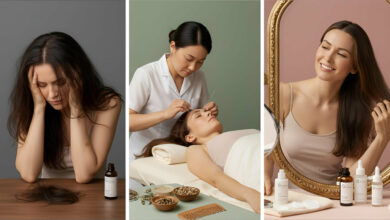
Applying a hydrating hair mask for autumn recovery and hair strengthening

To reverse the appearance of thinning and jumpstart new growth, you need a targeted reset:

  • Deep Nutrition: Focus on Supplements rich in Biotin, Zinc, and Vitamin D. These provide the raw materials your follicles need to exit the resting phase and start a new growth cycle.
    Beyond environmental UV stress, the quality of the water you use to rinse away summer chlorine and salt plays a massive role in hair resilience. For many women, the combination of sun-damaged cuticles and heavy mineral deposits from hard water accelerates the fallout; investigating the impact of shower water filters on hair loss is a crucial step in a true autumn recovery plan.
  • Intensive Hydration: Swap your light summer conditioner for a lipid-rich Hair Mask. Look for ingredients like shea butter and argan oil to “seal” the lifted cuticles.
  • Scalp Health Reset: Spend 5 minutes every night massaging your scalp. This increases localized circulation, delivering fresh oxygen and nutrients to the “shocked” follicles.

Expert Insight

Anabel Kingsley, a world-leading Trichologist and President of the Philip Kingsley clinics, has frequently explained this phenomenon in clinical interviews:

“Sunlight can actually trigger the hair to move from the growth phase into the shedding phase. We often see a peak in hair fall in the autumn because of the cumulative damage to the scalp’s protein structure and the natural light-shift that occurs after the summer solstice.”


Conclusion: From Shedding to Strength

While the autumn shed can be alarming, it is often a temporary reaction to the environmental stress of the previous season. By focusing on Hair Strengthening and maintaining a Minimal Routine that respects your scalp’s barrier, you can weather the transition. Remember: the hair you nourish today is the hair you will flaunt in the spring.

Did you notice a change in your hair texture after your summer vacation? Are you seeing more fallout than usual this month? Leave a comment below and share your experience!

If you’re starting your autumn recovery journey, share your “Scalp Reset” photos with us using #sylvaia_com on social media!

Sylvaia Team

The Sylvaia Team is a collective of experienced writers and experts in the fields of beauty and wellness. Our mission is to provide practical and reliable content that helps you confidently navigate the world of skincare, hair care, and makeup. By focusing on accurate, no-nonsense information, we are here to be your trusted guide on your journey to becoming the best version of yourself.

Leave a Reply

Your email address will not be published. Required fields are marked *

Back to top button