Stress Acne: How to Stop Breakouts Caused by Cortisol & Anxiety
Table of contents
The Sunday Night Scourge: When Your Calendar Hits Your Face
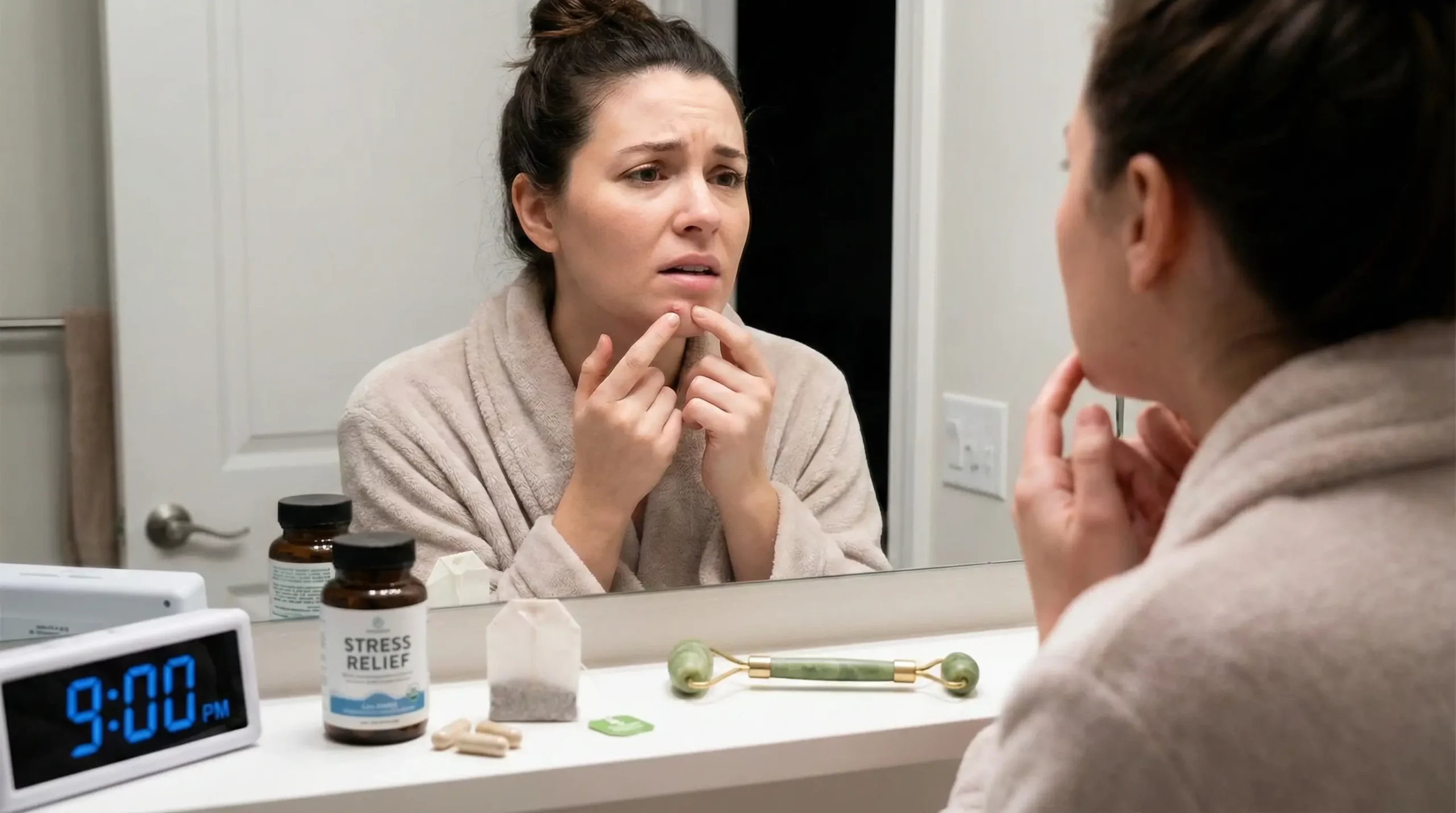
Lydia, a 35-year-old project manager, noticed a frustrating pattern. Every time she had a major presentation or a tight deadline, a painful, red bump would anchor itself right in the middle of her chin. “It’s like my skin knows when I’m overwhelmed,” she shared with us. “I can be using the most expensive serums in the world, and it still happens.”

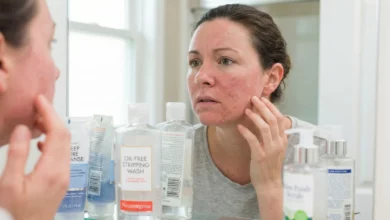
It isn’t a coincidence. There is a profound biological bridge between your Mental Health and your complexion. When your internal world feels chaotic, your skin is often the first to send up a flare. Understanding the “Stress-Acne” cycle is the secret to stopping these breakouts before they leave lasting Acne Scars & Marks.
While cortisol is a major player in these sudden flare-ups, it is rarely the only factor at work as we age. To gain a full picture of why your complexion might be reacting, it is helpful to look at the other common triggers dermatologists identify for acne after 30, ranging from environmental pollution to subtle lifestyle shifts you might have overlooked.
The Cortisol Connection: How Stress Hijacks Your Pores
The Chemical Chain Reaction
When you are under pressure, your brain triggers the release of Cortisol, the body’s primary stress hormone. While cortisol is essential for the “fight or flight” response, it has a messy side effect: it stimulates your sebaceous glands to produce thicker, stickier oil. This specific type of oil is far more likely to clog pores than the oil produced during a calm week. read more about it at treatmyocd.
Why the Chin? The Receptors at Play
You might wonder why stress doesn’t show up on your forehead or cheeks. The skin on the lower third of the face—especially the chin and jawline—is more densely packed with receptors that are hyper-sensitive to stress hormones. When your Cortisol levels spike, these receptors react instantly, leading to deep, inflammatory congestion.
Is It a Stress Breakout?
Differentiating between a typical cycle-related blemish and one triggered by your lifestyle is key to choosing the right treatment.
| Feature | Standard Hormonal Acne | Stress-Induced Breakouts |
| Trigger | Predictable (Luteal phase) | Unpredictable (Life events/deadlines) |
| Location | Along the jawline and neck | Concentrated on the chin and mouth area |
| Speed | Develops slowly over a week | Can appear “overnight” during high stress |
| Accompanying Signs | PMS symptoms | Insomnia, jaw tension, or irritability |
The Quick Calm Plan: 3 Steps to Rescue Your Skin
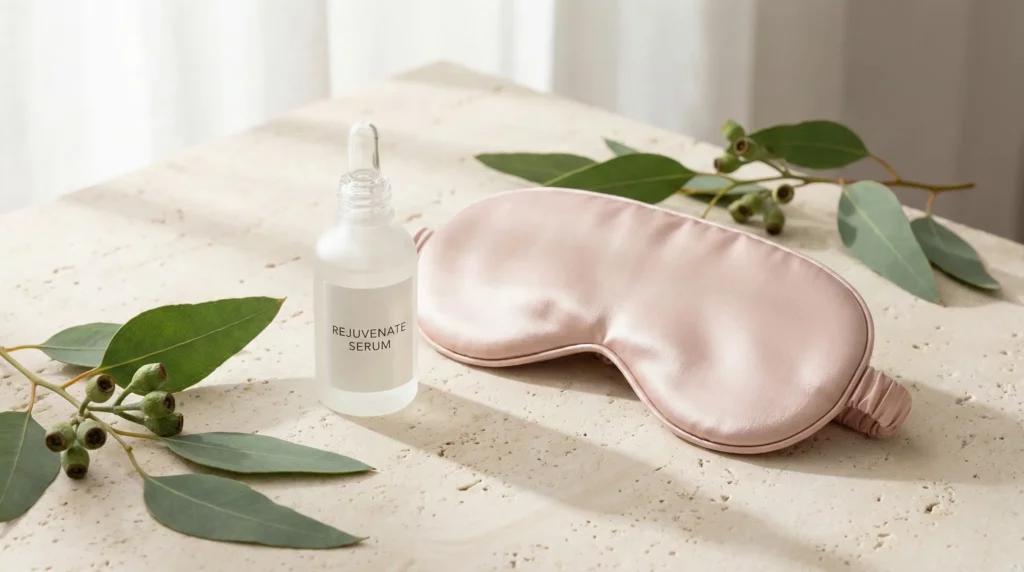
When you feel a “stress bump” forming, you need a strategy that addresses both the surface and the source.
1. The Immediate Topical Response
- Clear the Pore: Use a targeted treatment with Salicylic Acid. It penetrates deep into the oily follicle to dissolve the plug without causing widespread irritation.
- Calm the Redness: Apply a serum containing Niacinamide. This powerhouse ingredient helps soothe inflammation and supports your Skin Barrier, preventing the spot from getting larger.
- Avoid the “Dry-Out” Trap: Don’t blast the area with harsh alcohols. Keeping the skin hydrated with a lightweight Moisturizer prevents further irritation.
Even when you are dealing with a stressful breakout, you don’t have to let it dictate your entire look. Learning a few effortless tricks for a nighttime transformation can help you regain your confidence and present a polished image, allowing you to focus on your evening plans rather than your skin’s temporary reaction.
2. Lowering the Internal Spike
To stop the oil production at the source, you must lower cortisol.
- The 4-7-8 Breath: Inhale for 4 seconds, hold for 7, and exhale for 8. This signals your nervous system to exit “emergency mode.”
- Prioritize Rest: Sleep is when your skin repairs itself. If you are struggling with Stress & Health, aim for 7-9 hours of Deep Sleep to allow inflammation to subside.
3. The “Hands-Off” Protocol
Stress often leads to “absent-minded picking.” However, squeezing a stress breakout forces bacteria deeper into the dermis, which is the leading cause of post-inflammatory hyperpigmentation.
Insight from the Experts
“I spent years trying to ‘scrub’ away my stress acne, but I realized my skin was just a mirror of my burnout. My complexion didn’t clear up until I started setting boundaries at work and taking my evening wind-down seriously,” says a famous influencer who has spoken with our team about the intersection of career and self-care.
Final Thoughts: Your Skin as a Stress Signal
Next time you see a breakout during a busy week, try to view it as a signal rather than a flaw. Your skin is telling you that your body needs a moment to breathe. By combining high-performance ingredients with intentional relaxation, you can maintain a Flawless Base even when life gets loud.
What is your favorite way to “de-stress” when your skin starts acting up? Do you have a go-to ritual for a calm mind and clear skin? Leave your tips in the comments below!
If you’ve managed to conquer a stress-induced flare-up, show us your “calm kit” by using #sylvaia_com on social media!
Related article: