
REM vs. Deep Sleep: How Your Sleep Architecture Impacts Your Mood, Skin, and Energy
Table of contents
The Blueprint of Rest: What is Sleep Architecture?
Sleep is not a uniform state of unconsciousness. Instead, it is a complex, active process divided into distinct stages that repeat in cycles throughout the night. A typical cycle lasts approximately 90 minutes.
The balance between Deep Sleep (the body’s repair shop) and REM sleep (the brain’s therapy session) shifts as the night progresses. While the first half of the night is dominated by deep, restorative phases, the second half is primarily focused on REM. This structural design is why Waking Up at 3 a.m. can feel so disruptive to your emotional and physical state.
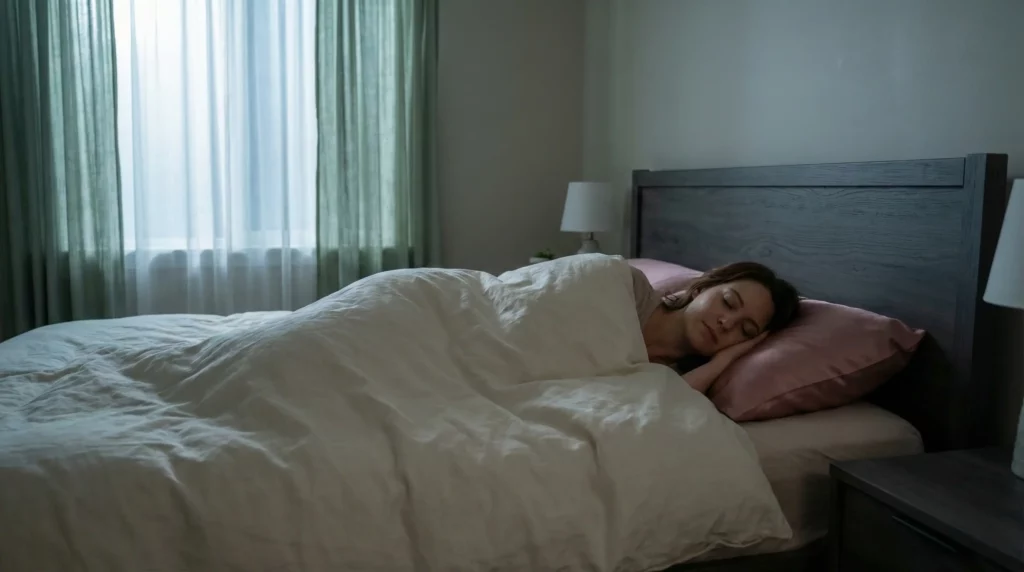
REM vs. Deep Sleep: The Comparison Matrix
To optimize your Mental Health and physical appearance, you must ensure you are spending enough time in both of these critical stages.
| Feature | Deep Sleep (Stage N3) | REM (Rapid Eye Movement) |
| Primary Focus | Physical restoration and growth. | Emotional processing and memory. |
| Biological Impact | Collagen synthesis and tissue repair. | Mood regulation and creativity. |
| Hormonal Role | Clears Cortisol from the system. | Consolidates learning and skills. |
| Skin Impact | Prevents sagging and sensitivity. | Reduces under-eye puffiness and dullness. |
| Timing | Heaviest in the first 4 hours. | Heaviest in the final 4 hours. |
The Biological Benefits of Deep Sleep
Deep sleep is the “Beauty Sleep” stage. During this phase, the body enters a parasympathetic state where heart rate slows and blood flow to the muscles and skin increases.
1. Cellular Repair and Collagen
This is the only time your body releases significant amounts of human growth hormone (HGH). This hormone is essential for cell reproduction and the synthesis of Collagen. Without sufficient deep rest, your Skin Barrier weakens, leading to premature Anti-Aging concerns.
2. Metabolic Reset
Deep sleep helps regulate Insulin sensitivity. A lack of this stage can lead to blood sugar imbalances, which often manifest as sugar cravings and the accumulation of Cortisol and Belly Fat.
The Mental Power of REM Sleep
While deep sleep fixes the body, REM sleep fixes the mind. During REM, your brain is almost as active as it is when you are awake.
1. Emotional Resilience
REM sleep acts as “overnight therapy.” It processes the emotional events of the day, helping to reduce the “sting” of stressful memories. If you are missing REM, you are more likely to experience irritability and symptoms of Burnout vs. Tiredness.
2. Cognitive Clarity
This stage is responsible for “synaptic pruning”—the brain’s way of clearing out unnecessary information to make room for new learning. Missing out on REM is a primary cause of the “brain fog” often associated with Insomnia.
How Sleep Architecture Impacts Your Glow
The relationship between your sleep cycles and your appearance is direct and scientific. According to research published by the National Center for Biotechnology Information (NCBI), sleep deprivation instantly increases oxidative stress within the skin.
- The “Tired” Look: A lack of REM sleep affects the vascular system, leading to poor lymphatic drainage and the classic “dark circles” under the eyes.
- The “Stressed” Look: Without the cortisol-clearing effects of deep sleep, your skin remains in a pro-inflammatory state, which can trigger Itchy Scalp at Night or inflammatory acne.
Strategies to Protect Your Cycles

- Consistency is King: Your brain relies on a “circadian anchor.” Going to bed at the same time every night helps the brain predict when to trigger deep sleep.
- The “Cool Down” Rule: Core body temperature must drop by about 1°C to initiate deep sleep. Keep your bedroom cool and avoid heavy exercise late at night.
- Manage the “Light Gap”: Avoid blue light in the evening to protect melatonin, but seek bright morning sunlight to “set” your internal clock for the following night’s REM cycles.
- Audit Your Environment: Ensure you aren’t falling into the Clock-Checking Trap, which spikes adrenaline and pulls you out of these vital restorative stages.
Expert Insight
A famous influencer who has spoken with our team regarding bio-hacking for women’s health noted:
“Deep sleep is about body restoration—it’s when the growth hormone is released and your immune system is rebooted. REM sleep, on the other hand, is about emotional first aid. It’s the only time our brains are completely devoid of the anxiety-triggering molecule noradrenaline, allowing us to process painful memories without the emotional charge.” — Dr. Matthew Walker, neuroscientist and author of Why We Sleep.
Conclusion: Designing the Perfect Night
A healthy life requires a balance of physical strength and emotional clarity. By respecting your sleep architecture, you aren’t just “resting”; you are actively rebuilding your body and mind from the inside out. Prioritize your Deep Sleep for the repair of your skin and hair, and protect your REM sleep to maintain your mood and energy.
Do you feel more physically tired or mentally foggy this week? Which stage of sleep do you think you’re missing most? Share your memories and struggles in the comments below!
If you’ve optimized your sleep environment for better cycles, show us your setup using #sylvaia_com on social media!