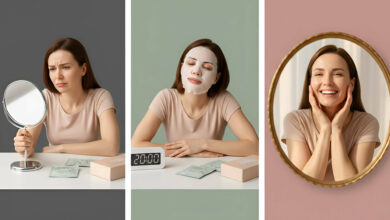
10 Anti-Aging Habits to Stop in Your 30s (And What to Do Instead)
Table of contents
The 30s Turning Point: Why Your Habits Finally Show Up
Entering your 30s marks a significant biological shift. Scientifically, this is the decade where Collagen production begins to decline by approximately 1% every year. The metabolic rate of your skin cells slows down, and the environmental damage you accumulated in your 20s starts to surface as visible Wrinkles & Fine Lines.
However, dermatological research suggests that aging is only 20% genetics; the remaining 80% is determined by your daily choices. In your 30s, skin is still incredibly resilient, making this the “Golden Window” for preventative care. By identifying and swapping out the habits that accelerate the clock, you can maintain a Flawless Base for decades to come.
The 10 Habits Accelerating Your Skin’s Clock
1. The “Cloudy Day” SPF Fallacy

Many believe that if the sun isn’t visible, the skin is safe. In reality, UVA rays—the specific wavelengths responsible for aging—penetrate through clouds and glass windows. These rays break down elastin fibers deep within the dermis.
- The Swap: Apply a broad-spectrum SPF 30+ every single morning, regardless of the weather or your indoor plans.
2. “Face-Only” Skincare
The skin on your neck, chest, and the backs of your hands is thinner and has fewer oil glands than your face. Neglecting these areas is a primary cause of “age leakage,” where the face looks youthful but the neck shows significant laxity.
- The Swap: Treat your neck and decolletage as an extension of your face. Bring your Moisturizer and Serum all the way down to your chest.
3. The Glycation Trap (The “Sugar Sag”)
When you consume excess sugar, it undergoes a process called glycation. This is where sugar molecules attach to collagen and elastin proteins, causing them to become stiff and brittle. According to the Mayo Clinic, high blood sugar levels can lead to a loss of skin elasticity.
- The Swap: Focus on a diet rich in antioxidants and low-glycemic foods to protect the structural integrity of your skin.
4. The Sleep Debt Barrier
During Deep Sleep, your body enters a state of high-performance repair. This is when the growth hormone peaks, facilitating cell turnover and protein synthesis. Constant sleep deprivation prevents your skin from finishing its “nightly shift.”
- The Swap: Prioritize 7–9 hours of rest and establish a consistent Night Routine to signal to your body that it is time to repair.
Your sleep quality and repair capacity are deeply influenced by your internal biological clock. To optimize your nightly “repair shift,” it helps to understand how your skin’s needs fluctuate throughout the month, allowing you to adjust your recovery strategies based on your specific hormonal phase.
5. Chronic Cortisol Elevation
High levels of Stress & Health issues keep your body in a “fight or flight” mode. This floods the system with Cortisol, which is known to break down collagen and impede the skin’s ability to heal itself.
- The Swap: Incorporate daily stress-reduction techniques, such as meditation or deep breathing, to lower cortisol and reduce systemic inflammation.
6. Mechanical Friction (Side-Sleeping)

Pressing your face into a cotton pillowcase for 8 hours a night creates “sleep lines.” Over time, as collagen decreases, these temporary creases become permanent wrinkles.
- The Swap: Train yourself to sleep on your back, or switch to a silk pillowcase to reduce friction and skin compression.
Beyond the skin on your face, the materials you interact with overnight play a silent but significant role in your aging process. Making a simple switch can prevent both premature facial creases and hair breakage, proving that optimizing your sleep surface is a dual-purpose beauty investment for your long-term aesthetic health.
7. Aggressive “Scrubbing”
Using harsh physical scrubs can cause micro-tears in the Skin Barrier. This lead to chronic inflammation, which is a major driver of “inflammaging”—accelerated aging caused by constant irritation.
- The Swap: Move away from the Scrub and toward gentle chemical exfoliants like Salicylic Acid or Lactic Acid.
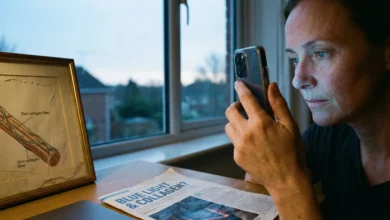
8. Blue Light (HEV) Overexposure
We spend hours in front of digital screens. High-energy visible (HEV) light generates oxidative stress in the skin, similar to UV rays, which can lead to premature hyperpigmentation and dullness.
- The Swap: Use blue-light-filtering screen protectors and incorporate Antioxidants like Vitamin C into your morning routine to neutralize free radicals.
9. Dehydration Overlooked
There is a massive difference between dry skin (lack of oil) and dehydrated skin (lack of water). Dehydrated skin loses its “plumpness,” making fine lines appear significantly deeper and more pronounced.
- The Swap: Use humectants like Hyaluronic Acid on damp skin to lock in moisture and create an immediate plumping effect.
10. Inconsistent Actives
“Product hopping” is the enemy of progress. Anti-aging ingredients like Retinol require at least 12 weeks of consistent use to show cellular-level changes. Switching products every two weeks prevents your skin from ever seeing results.
- The Swap: Stick to a Minimal Routine for at least three months before deciding if a product works for you.
Habit vs. Swap: The Anti-Aging Cheat Sheet
| Aging Habit | Anti-Aging Swap | Primary Benefit |
| Sugar-heavy snacks | Antioxidant-rich berries | Prevents Glycation (Sugar Sag) |
| Cotton pillowcases | Silk or Satin pillowcases | Reduces mechanical wrinkles |
| Hot water washing | Lukewarm water | Protects the Skin Barrier |
| Physical scrubs | Liquid exfoliants | Prevents micro-tears and redness |
| Late-night scrolling | Blue-light filters & Sleep | Boosts Rejuvenation cycles |
The Power Ingredients of Your 30s
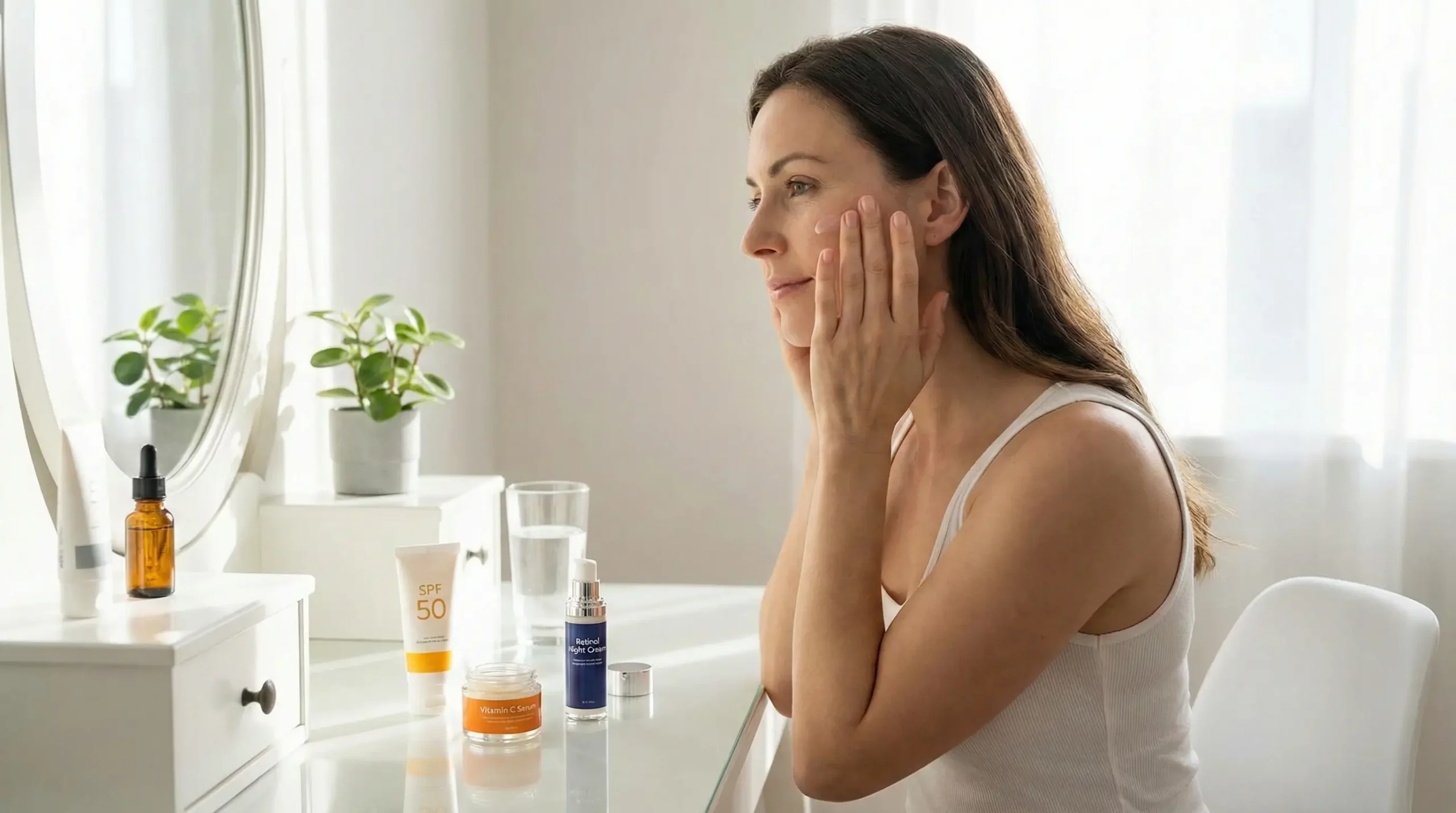
To effectively combat the biological changes of your 30s, your routine should focus on three pillars:
- Protection: Vitamin C and Ferulic acid to shield against environmental pollutants.
- Correction: Retinol and Peptides to stimulate collagen production and improve texture.
- Hydration: Ceramides and Hyaluronic Acid to maintain the skin’s moisture seal.
Expert Insight
Dr. Shereene Idriss, a board-certified dermatologist and skin expert, frequently emphasizes the importance of simplicity in anti-aging on her platforms (such as her Pillowtalk Derm series):
“Consistency is more important than the intensity of the product. You don’t need a 20-step routine; you need the right ingredients, used the right way, every single day. The best anti-aging routine is the one you actually stick to.”
Conclusion: Consistency Over Complexity
Aging is a natural and beautiful process, but accelerated aging is often a byproduct of habits we can control. By making these small, science-backed swaps in your 30s, you aren’t just chasing youth—you are investing in the long-term health and resilience of your skin.
Which habit is the hardest for you to break? Do you have a “non-negotiable” step in your anti-aging routine? Share your memories and tips in the comments below!
If you’ve simplified your routine using our swaps, show us your results using #sylvaia_com on social media!