Itchy Scalp at Night: 5 Secret Triggers That Have Nothing to Do With Lice
Table of contents
The Nocturnal Itch: Why the Night Changes Your Scalp Chemistry
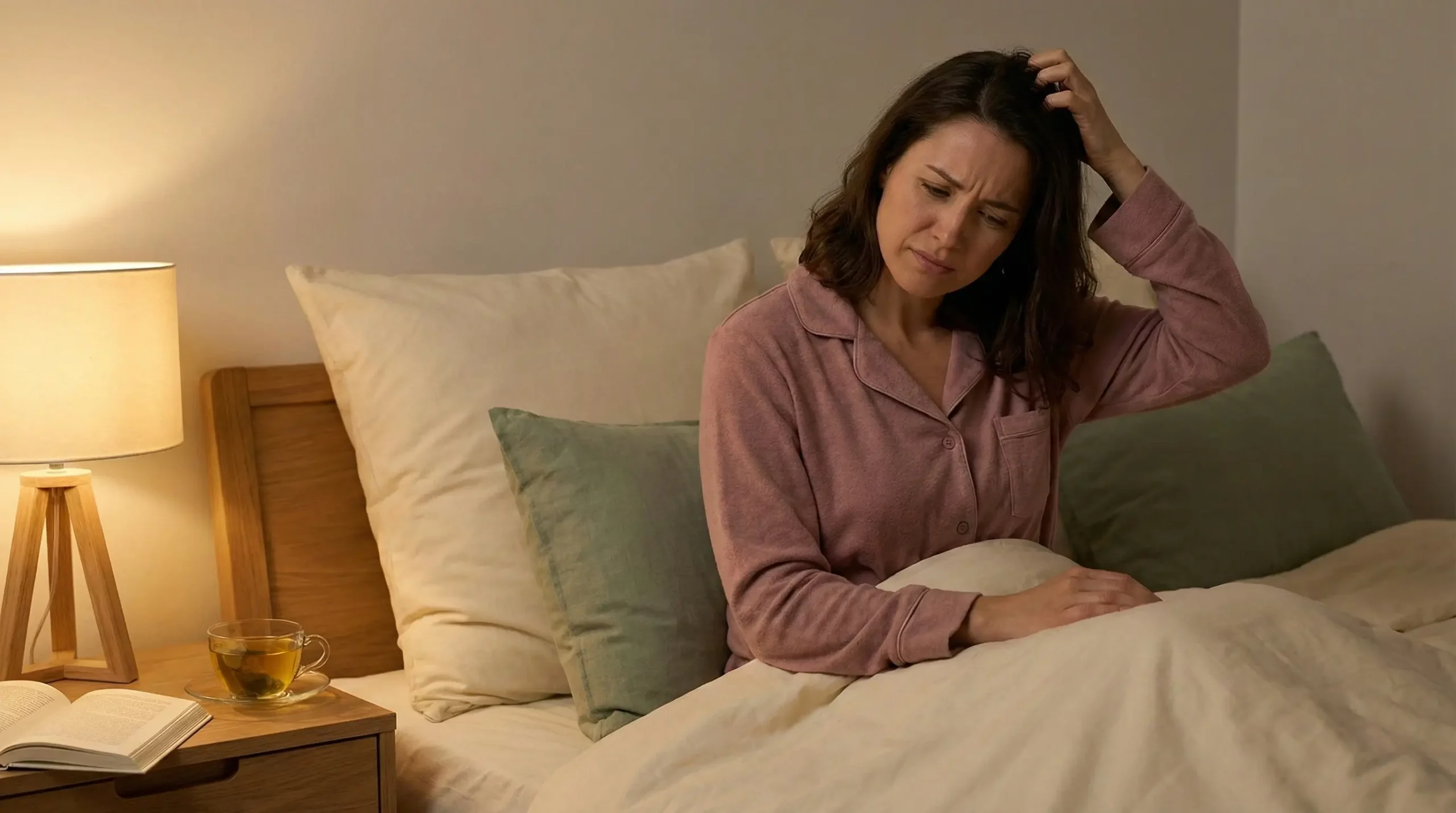
There is a specific kind of frustration that comes with an itchy scalp that only seems to flare up the moment your head hits the pillow. While many immediately fear an infestation, nocturnal itching is rarely about hygiene or lice. Instead, it is often a byproduct of your body’s Circadian Rhythm and the physiological shifts that occur as you prepare for rest.
During the night, your body undergoes natural changes in temperature, moisture loss, and hormone regulation. If your Skin Barrier is already compromised, these shifts can turn a mild irritation into an unbearable itch. Understanding these secret triggers is the first step toward achieving the Scalp Health necessary for restorative sleep and healthy hair growth.
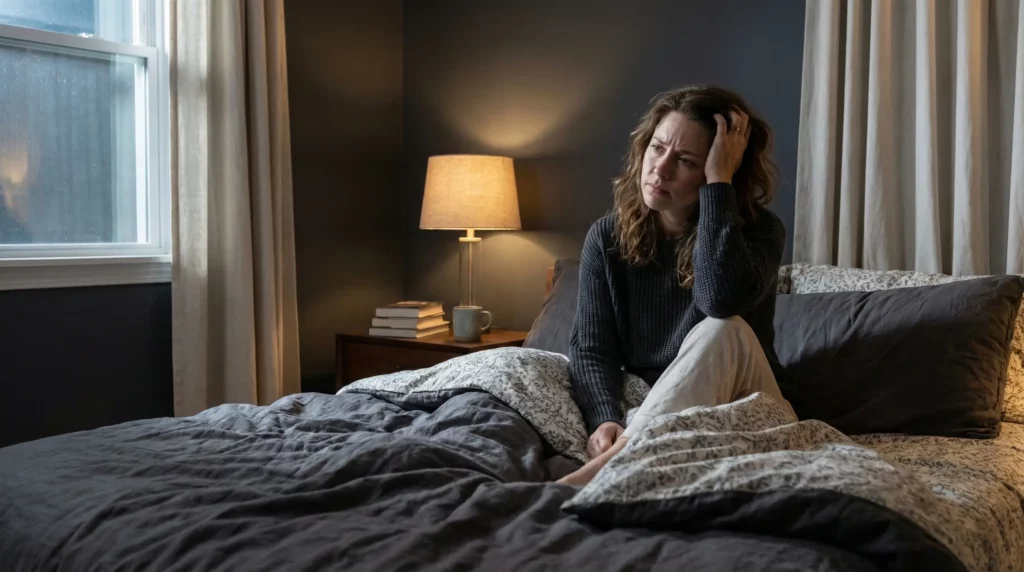
Day vs. Night: Why the Sensation Intensifies
The reason your scalp feels “noisier” at night is rooted in both biology and psychology.
| Feature | Daytime Scalp Environment | Nighttime Scalp Environment |
| Distraction Level | High (Work, movement, light). | Low (Quiet, dark, still). |
| Body Temperature | Regulated through activity. | Increases slightly as you fall asleep. |
| Cortisol Levels | High (Natural anti-inflammatory). | Lowest point of the 24-hour cycle. |
| Histamine Release | Moderate. | Peaks during the evening and night. |
| Moisture Loss | Balanced by environment. | High (Trans-epidermal water loss). |
5 Secret Triggers for Nighttime Scalp Itch
1. The Natural Histamine Spike
Your body follows a strict internal clock. Research shows that Histamine levels—the chemicals responsible for the itch response—naturally peak at night. Without the high levels of daytime Cortisol to suppress inflammation, your scalp becomes significantly more sensitive to minor irritants that you wouldn’t notice during the day.
2. The “Greenhouse” Pillow Effect
When you sleep, especially on traditional cotton pillowcases, your scalp’s temperature rises. This creates a warm, humid micro-climate between your head and the pillow. If you have an Oily Scalp, this heat can trigger the Hidden Fungus on Most Scalps, causing it to become more active and inflammatory while you sleep.
3. Trans-epidermal Water Loss (TEWL)
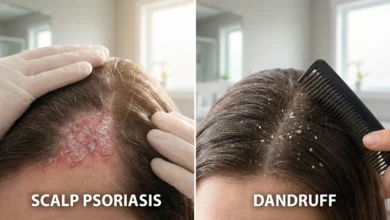
Just like the skin on your face, your scalp loses moisture more rapidly at night. This rapid dehydration can lead to a “tight” sensation and prickly itching. If you are already struggling to determine Is It Dry Scalp or Dandruff?, the dry air from indoor heating in winter will exacerbate this nocturnal dehydration.
4. Product Buildup and Oxidation
Dry shampoo, hairspray, and environmental pollutants accumulate on your scalp throughout the day. By nighttime, these substances can begin to oxidize and irritate the follicles. If you don’t use a Cleanser that effectively removes this “invisible” film, the chemicals sit against your skin for 8 hours, triggering a contact-dermatitis response.
5. Stress and the Nervous System
Your nervous system and your skin are deeply connected. If you are experiencing high levels of daily anxiety, your nerves can become “hypersensitized.” This leads to neuropathic itching, where there is no physical rash, but your brain perceives an itch signal. This is a common physical manifestation for those dealing with Burnout vs. Tiredness.
The Nighttime Relief Strategy
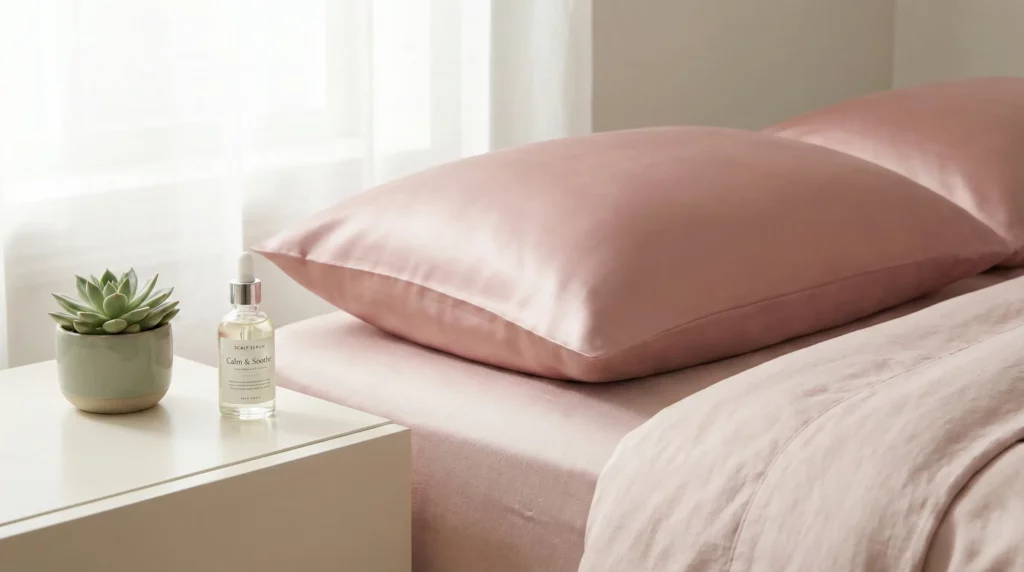
According to the American Academy of Dermatology, managing an itchy scalp requires addressing the underlying inflammation rather than just the sensation.
- Switch to Silk: A silk or satin pillowcase doesn’t trap heat like cotton, reducing the “greenhouse effect” and physical friction.
- The Scalp-Specific Serum: Apply a lightweight, hyaluronic acid-based scalp treatment before bed to combat Trans-epidermal water loss.
- Avoid Late-Night Washing: Going to bed with damp hair is a recipe for fungal overgrowth. Always ensure your roots are 100% dry before sleep.
- Lower the Room Temp: Keeping your bedroom cool (around 18°C) helps prevent the vasodilation that intensifies the itch.
Expert Insight
A famous influencer who has spoken with our team regarding her own struggle with sensitive skin shared:
“I spent months thinking I was allergic to my shampoo. It turned out I was just overheated at night and my scalp was dehydrated. Once I lowered my bedroom temperature and switched to a silk pillowcase, the ‘3 a.m. itch’ completely vanished. It’s about the environment, not just the ingredients.”
Conclusion: Peaceful Sleep for a Healthy Scalp
An itchy scalp at night is a signal that your Skin Barrier or your environment needs adjustment. By managing your nocturnal temperature and ensuring your scalp is hydrated and clean, you can stop the itch-scratch cycle that leads to hair breakage and poor Deep Sleep.
Do you find yourself scratching your head the moment you try to fall asleep? What’s the one change that finally gave you a quiet night? Share your memories and tips in the comments below!
If you’ve found the perfect nighttime scalp ritual, show us your setup using #sylvaia_com on social media!