OPI Nail Envy Review: Does It Work or Cause Brittle Nails?
Table of contents
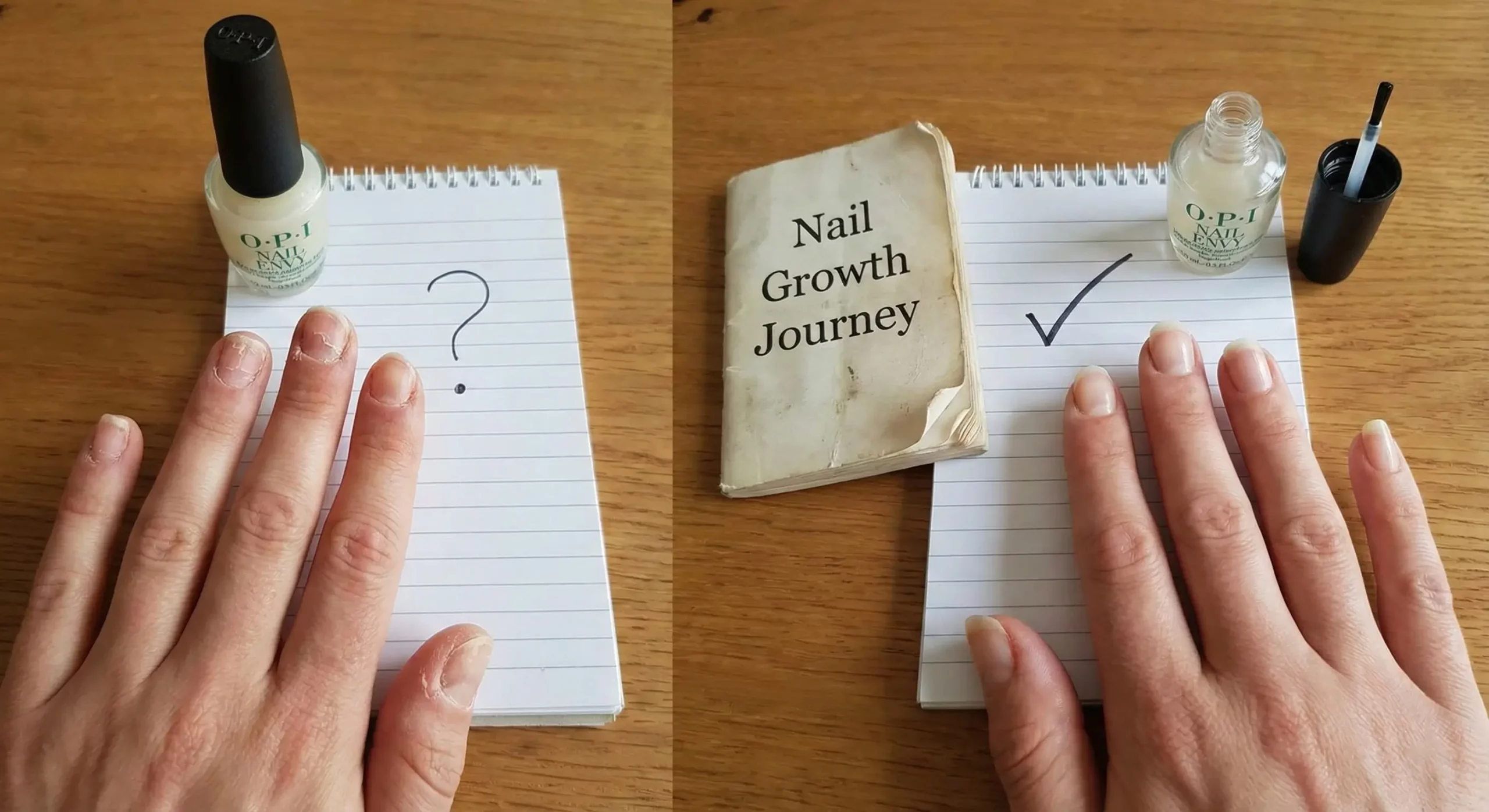
If you suffer from peeling, bending, or “paper-thin” nails, you have likely reached for the iconic green bottle: OPI Nail Envy. It is the gold standard of the nail aisle, promising to turn weak claws into steel.
But is it actually changing the biology of your nail, or is it just a temporary shield?
The answer lies in the chemistry. While these products are effective, most people use them incorrectly, often making their nails more prone to snapping in the long run. Here is the science behind the strengthener.
The Science: How “Cross-Linking” Works
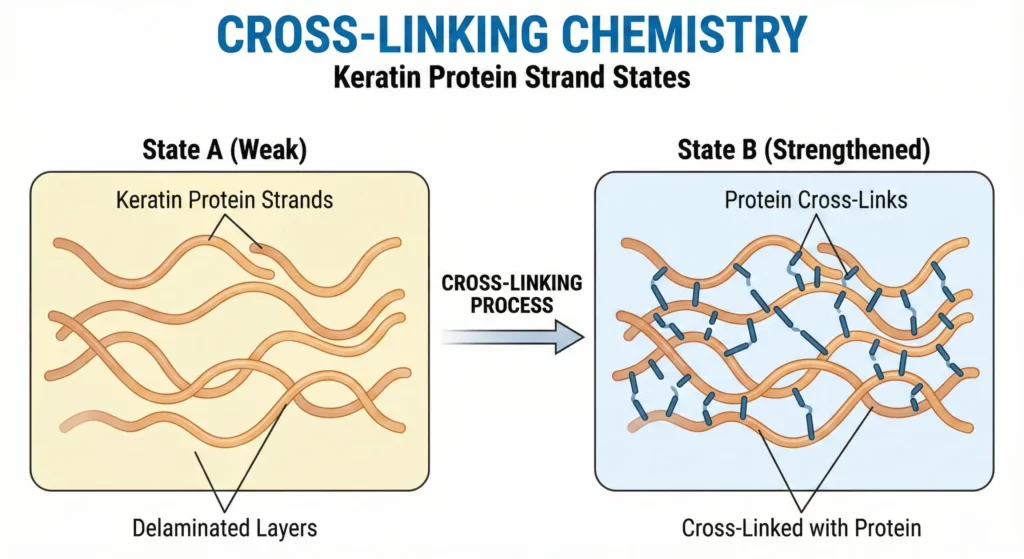
Your nails are made of keratin protein, stacked in layers like a croissant. When nails peel, those layers are delaminating (coming apart).
Nail strengtheners act as a chemical “glue.” They typically contain ingredients like Hydrolyzed Wheat Protein, Calcium, or in older formulas, Formaldehyde (or milder methylene glycol).
These ingredients create Cross-Links. They bond the keratin chains together, tightening the mesh of the nail plate. It is essentially a liquid splint that holds the peeling layers down so they can grow out without snagging.
According to the American Academy of Dermatology (AAD), protecting nails with a coating is beneficial, but hydration is equally critical to prevent the nail from becoming dry and brittle.
Comparison: Do You Need a Hardener or a Hydrator?
This is where most people fail. Not all weak nails are the same.
- If your nails bend and tear, you need a Hardener.
- If your nails snap and chip, you need a Hydrator.
| Feature | Nail Hardener (e.g., OPI Nail Envy) | Nail Hydrator (e.g., CND SolarOil) |
| Mechanism | Cross-Linking: Bonds layers together to create stiffness. | Plasticizing: Adds flexibility and moisture. |
| Key Ingredients | Protein, Calcium, Resin, Alcohol. | Jojoba Oil, Vitamin E, Sweet Almond Oil. |
| Best For… | Soft, peeling, thin nails that bend easily. | Hard, brittle nails that snap instantly. |
| The Risk | Can make nails too hard (brittle). | Can make nails too soft if overused. |
However, using a strengthener while continuing to strip your nails with harsh solvents is like pouring water into a leaking bucket. To truly stop the peeling, you must address your removal routine. We tested the impact of solvents on nail health in our guide: The “Acetone Frost”: Why Clara Swapped Her Remover to Save Her Peeling Nails.
The Risk: The “Glass Nail” Theory
There is a danger to using OPI Nail Envy (or any protein strengthener) for too long.
A healthy nail needs a balance of Hardness and Flexibility. When you hit your nail against a door, it needs to bend slightly to absorb the shock.
If you overuse a hardener, your nail becomes like glass—extremely hard but completely inflexible. The next time you hit it, it won’t bend; it will snap cleanly off.
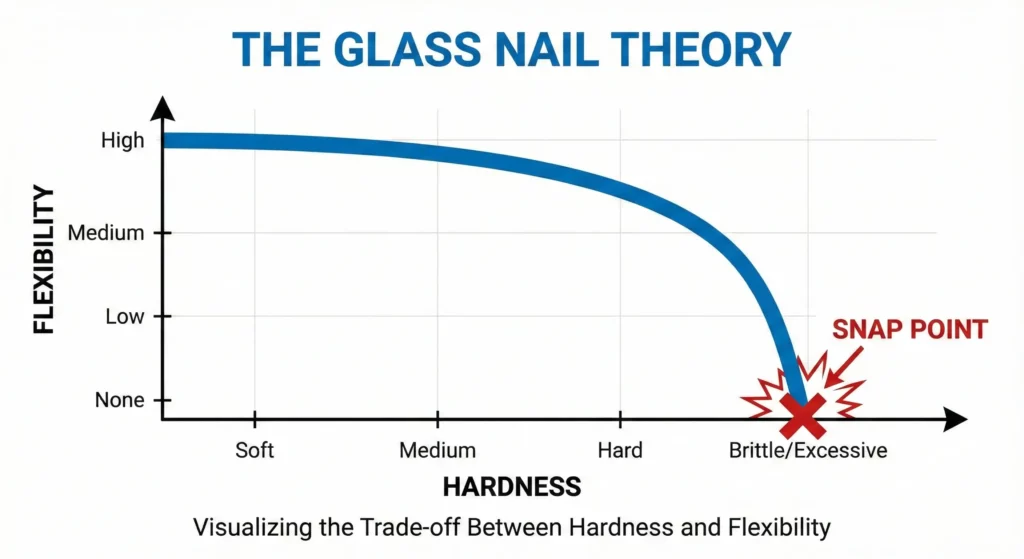
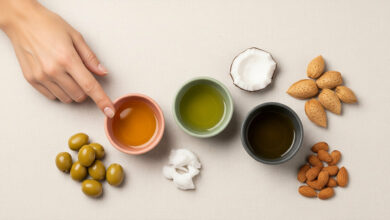
The Strategy: Use OPI Nail Envy as a 2-week bootcamp. Once your nails stop peeling, stop using it. Switch to a hydrating oil to maintain flexibility.
Is OPI Nail Envy Still the King?
It is worth noting that OPI recently reformulated their iconic product. The new “Nail Envy” is vegan and formaldehyde-free.
- Does it still work? Yes, but it relies on “Tri-Flex Technology” which acts more like a liquid shield than the old chemical fusers.
- The Benefit: It is less likely to cause the “Glass Nail” effect than the original harsh formula, making it safer for long-term use.
The Verdict
Nail strengtheners are a cast for a broken bone, not a daily vitamin. They are excellent for rehabilitating damaged nails (especially after removing acrylics), but they must be paired with oil to keep the nail flexible.
The most common reason users flock to these strengtheners is to repair damage from at-home manicures. If you have recently peeled off a gel set and are left with paper-thin nail beds, you are the prime candidate for this “bootcamp.” We discussed the specific risks of these home kits in our review: DIY vs. Pro: Is the $40 At-Home Gel Kit Worth the Hassle?
Have your nails ever become too hard and snapped?
Did you know the difference between needing a hardener vs. a hydrator? Tell us your experience in the comments below!
Related article: