Testing Perfume
Walking into a luxury department store should be a treat, but for many women in their 30s to 50s, it often feels like an expensive gamble. You find a scent you love on a paper strip, only to bring it home and realize it smells completely different—or worse, gives you a headache—once it interacts with your unique skin chemistry. This “buyer’s remorse” isn’t just about the wasted investment; it’s the frustration of losing the opportunity to find a fragrance that truly resonates with your sophisticated identity and current lifestyle.
This struggle is frequently dismissed by high-pressure sales environments that prioritize the immediate “top note” reaction over the long-term wear of a fragrance. Most perfume counters are a sensory overload of competing aromas, making it scientifically impossible to give a single scent the focus it deserves. Because the industry often thrives on impulsive purchases, the critical importance of the “dry-down” and the way environmental factors like hormones and skin hydration alter a scent’s profile is rarely mentioned to the consumer.
In this space, we teach you how to navigate the world of perfumery like a professional connoisseur. You will learn the biological rules of scent testing, including why you should never trust a paper blotter alone and how many fragrances your nose can actually process before experiencing “olfactory fatigue.” We provide a step-by-step framework for evaluating a perfume over hours, not seconds, ensuring your next purchase is a signature you’ll cherish rather than a bottle that gathers dust on your vanity.
-
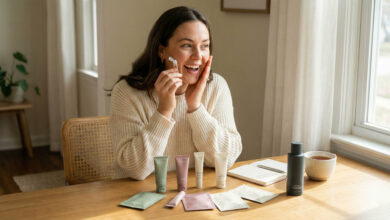
How Perfume Samples Prevent Wedding Day Fragrance Regret: A $25 Solution
Hannah had found the dress, the shoes, and the venue. But two months before her wedding, she was panicked about one invisible detail: her scent. She knew the science: Scent is the strongest trigger for memory. She wanted a fragrance that, 20 years from now,…
-

How to Get Free Perfume Samples: The Best Online Stores & Pro-Tips
Table of contentsThe Ultimate “Try Before You Buy” Hack: Strategic ShoppingThe Ranking: Where to Shop for the Best Free Samples#1 The Champion of Choice: Sephora#2 The Luxury Discovery Engine: Nordstrom & Department Stores#3 The Niche Connoisseur’s Paradise: Specialty PerfumeriesPro-Tips for Maximizing Your Sample HaulThe Verdict:…
-
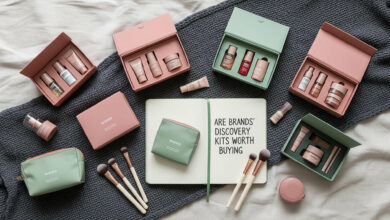
Are Fragrance Discovery Kits Worth It? Pros, Cons & Smart Buying Guide
Table of contentsThe Alluring Promise of a “Scent Library” in a BoxThe “PROS”: Why a Discovery Kit Can Be a Brilliant InvestmentPro #1: You Get to “Meet the Family”Pro #2: It’s a Masterclass for Your NosePro #3: It’s the Ultimate Insurance Against a Costly MistakePro…
-

How to Test Perfume: The 5-Step Method to Avoid Nose Blindness
Table of contentsThe Perfume Counter Dilemma: Sensory OverloadThe Science in Brief: Why Your Nose “Goes Blind”The Professional’s 5-Step Method for Smart SamplingStep 1: Arrive with a “Blank Canvas”Step 2: Use Paper Blotters for the First RoundStep 3: The Real “Palate Cleanser” (Hint: It’s Not Coffee…
-
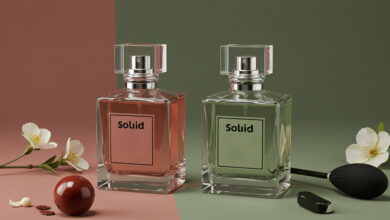
Solid vs. Spray Perfume: Which is Better for Testing a New Fragrance?
Table of contentsThe Challenge of the Fleeting First ImpressionThe “PROS”: Why Solid Perfumes Can Be a Superior Testing ToolPro #1: You Experience the True Heart of the Scent, FasterPro #2: It Encourages a More Mindful, Intimate TestPro #3: They Are Practical and AffordableThe “CONS”: When…