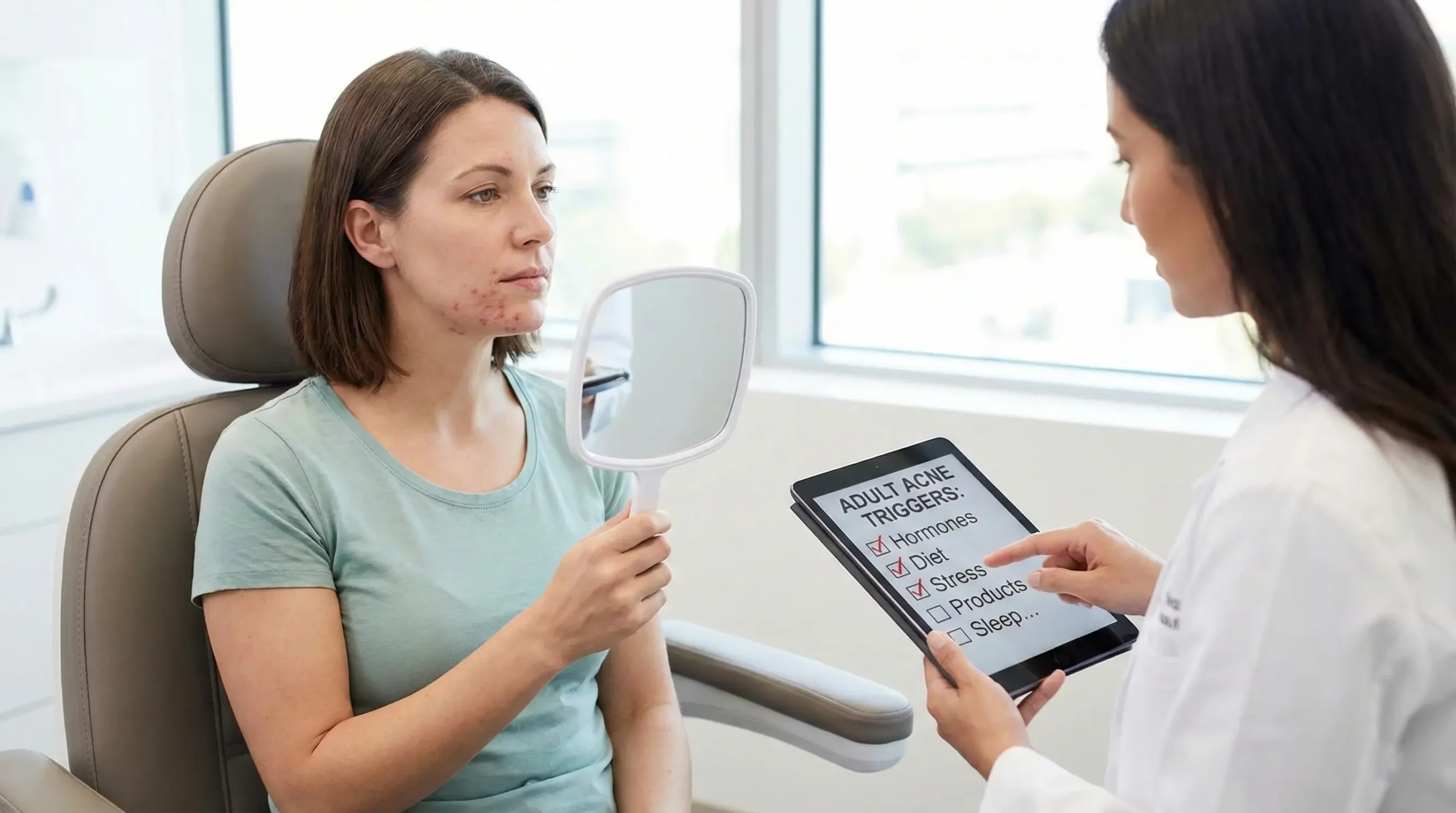
Adult Acne After 30: The 7 Triggers Dermatologists See Most (And Which Ones You Can Fix)
Table of contents
The Mystery of the 30s Breakout: Why It’s Different This Time
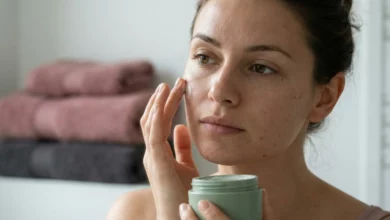
Chloe, a 32-year-old marketing executive, looked in the mirror and sighed. She had spent her teens with relatively clear skin, only to find herself battling stubborn, deep-seated bumps on her jawline just as she was starting to notice her first fine lines. It felt unfair. “I thought I was done with this,” she told us.
Chloe isn’t alone. Adult acne is a distinct clinical condition that behaves very differently from the T-zone breakouts of our teenage years. While teen acne is often about overactive oil glands, acne after 30 is frequently a complex conversation between your hormones, your environment, and your lifestyle.
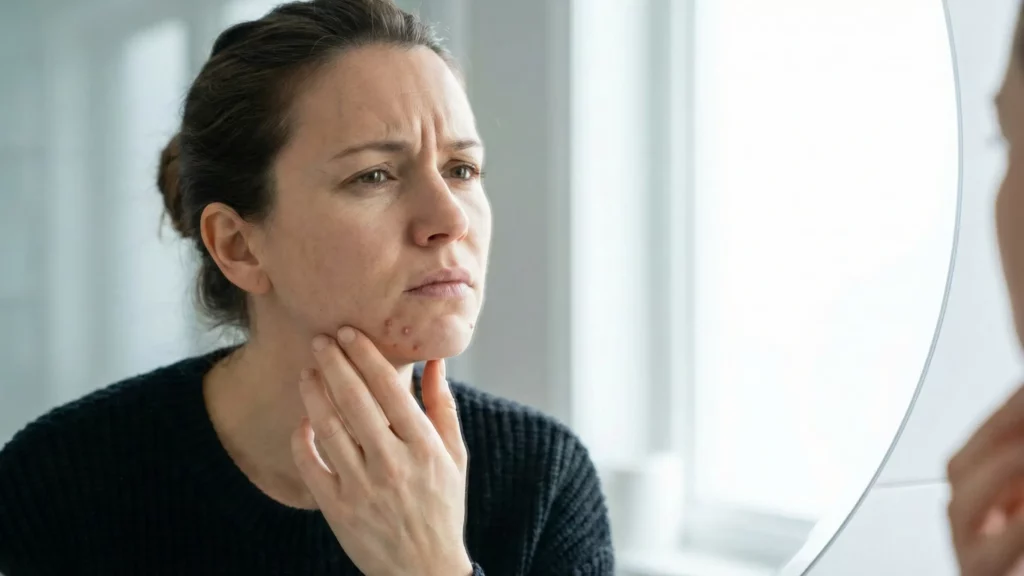
The 7 Most Common Triggers Identified by Experts
1. The Cortisol Cascade: How Stress Becomes Physical
When you are under chronic pressure, your adrenal glands produce Cortisol. This hormone sends a signal to your sebaceous glands to produce more oil. Unlike the oily sheen of puberty, this stress-induced oil is thicker and more likely to clog pores, leading to those painful, under-the-skin cysts.
2. Fluctuating Hormones (The Cyclic Culprit)
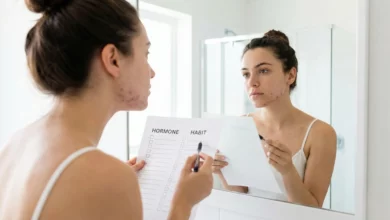
Even if you aren’t going through puberty, your hormones are constantly shifting. Drops in estrogen or spikes in androgens (especially right before your period) can trigger Hormonal Acne. This usually manifests as “u-zone” breakouts—appearing around the chin and jawline.
3. The “Product Layering” Trap
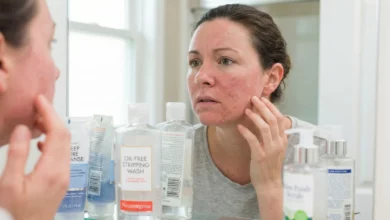
In our quest for perfect skin, we often overdo it. Using a Vitamin C serum, a chemical exfoliant, and a strong Retinol all in the same night can weaken your Skin Barrier. When the barrier is compromised, bacteria enter more easily, and the skin becomes inflamed, leading to “reactionary” acne.
4. Diet and Insulin Spikes
While chocolate doesn’t directly cause pimples, foods with a high glycemic index (white bread, sugary snacks) cause a spike in insulin. According to the American Academy of Dermatology, these spikes can increase androgen activity and inflammation throughout the body.
Understanding the gut-skin axis is vital for anyone navigating their 30s. Beyond just causing physical breakouts, we’ve discovered that how specific dietary choices impact more than just your skin can also play a major role in your mental clarity and daily energy levels.
5. Environmental Pollution & “Maskne” Residuals
Urban living introduces microscopic soot and pollutants to your skin. If not thoroughly removed with a gentle Cleanser, these particles mix with sweat and makeup, creating a “film” that suffocates your pores.
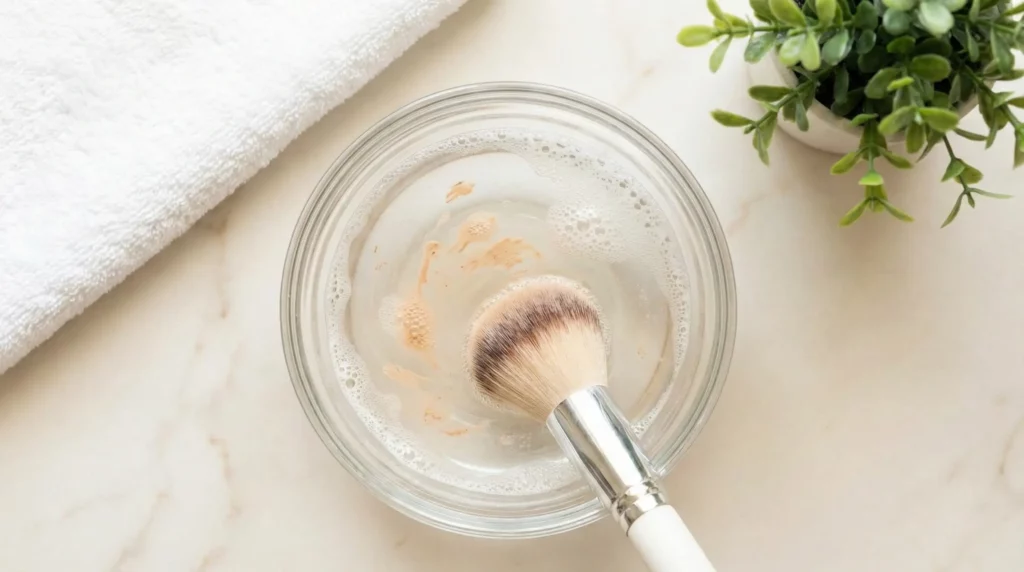
6. Neglected Tools: The Silent Bacteria Breeders
How long has it been since you deep-cleaned your Makeup Brushes? Bacteria, dead skin cells, and old product buildup can turn your favorite tools into a delivery system for breakouts. Experts suggest washing them at least once a week to maintain skin health.
7. Sleep Deprivation and Skin Repair
During Deep Sleep, your body undergoes a process of cellular repair. When you skip sleep, your body remains in a state of physiological stress, keeping inflammation levels high and preventing the skin from healing existing blemishes.
Adult Acne vs. Teenage Acne: Key Differences
Understanding the nature of your breakouts is the first step toward fixing them. Here is how they compare:
| Feature | Teenage Acne | Adult Acne (30+) |
| Primary Location | T-Zone (Forehead, Nose, Chin) | U-Zone (Jawline, Chin, Neck) |
| Skin Type | Generally Oily | Combination, Dry, or Sensitive |
| Type of Blemish | Blackheads and Whiteheads | Deep, painful cysts or red bumps |
| Primary Cause | Puberty-driven androgens | Stress, Hormones, and Lifestyle |
| Treatment Focus | Strong Exfoliation & Oil Control | Barrier Repair & Targeted Actives |
The Fixes: How to Rebalance Your Complexion
The good news? Unlike the unpredictable surges of puberty, many adult triggers are within your control.
- Simplify to Amplify: Switch to a Minimal Routine. Focus on a gentle wash, a high-quality Moisturizer with Ceramides, and one targeted treatment.
- The Power of Actives: Look for products containing Salicylic Acid to clear pores, or the anti-aging gold standard (Retinol) to speed up cell turnover and fade Acne Scars & Marks.
- Lifestyle over Products: Prioritizing Stress & Health by practicing mindfulness can help lower cortisol naturally, giving your skin a break from the inside out.
When selecting these active ingredients, it is important to remember that a higher price tag doesn’t always guarantee a better result for your barrier. We recently analyzed several high-potency formulas that prioritize science over price to see which serums actually help fade marks effectively without causing unnecessary irritation.
A Note from the Experts
“Consistency is far more important than intensity when it comes to adult skin. You cannot ‘scrub’ the acne away; you have to soothe the inflammation that causes it,” says a famous influencer who has spoken with our team about her long-standing battle with adult-onset breakouts.
Final Thoughts: Listening to Your Skin
Your skin is a mirror of your internal well-being. If you are breaking out in your 30s, it might be a sign to slow down, check your hormone levels, or simply clean your pillowcases more often.
Have you experienced a “second puberty” in your 30s? What change finally cleared your skin? Share your stories and tips in the comments below!
If you want to share your progress or a skincare challenge with us, use #sylvaia_com on social media to join our community!